What Are Adaptogens?
Adaptogens are a class of herbs and mushrooms that help your body adapt to stress — physical, mental, and environmental. The term was coined by Soviet scientist Nikolai Lazarev in 1947, originally to describe compounds that could increase non-specific resistance to stress in soldiers.
To qualify as an adaptogen, a substance must: (1) be non-toxic at normal doses, (2) help the body resist stress regardless of type, and (3) normalise physiological function without causing more imbalance. They work primarily by modulating the HPA axis — your body's hormonal stress response system — and by supporting neurotransmitter balance.
1. Ashwagandha (KSM-66) — Best for Cortisol and Chronic Stress
Ashwagandha (Withania somnifera) is the most extensively studied adaptogen for stress. The KSM-66 extract — a full-spectrum root extract standardised to 5% withanolides — has been tested in multiple double-blind randomised trials.
A 2019 study published in Medicine found that 240mg of KSM-66 daily for 60 days significantly reduced serum cortisol, perceived stress, anxiety, and depression scores compared to placebo. A 2012 study in the Indian Journal of Psychological Medicine used 300mg twice daily with similar results.
Best for: Chronic stress, elevated cortisol, anxiety, sleep disruption caused by stress
Typical effective dose: 300–600mg of KSM-66 extract daily
2. Rhodiola Rosea — Best for Mental Performance Under Pressure
Rhodiola (Rhodiola rosea) is a Scandinavian root that has been used for centuries to combat fatigue at altitude and in extreme cold. It works differently from ashwagandha — rather than lowering cortisol, it improves your brain's efficiency and reduces the mental fatigue that comes from sustained cognitive effort.
A 2009 trial published in Phytomedicine found Rhodiola reduced burnout symptoms and improved attention, cognitive function, and work performance in physicians on night duty. Another study found significant improvements in mental fatigue and academic performance in students during exam periods.
Rhodiola is particularly valuable for people who need to perform mentally when under pressure — tight deadlines, public speaking, high-stakes decisions.
Best for: Mental fatigue, exam stress, burnout, performance under pressure
Typical effective dose: 200–400mg of standardised extract (3% rosavins, 1% salidroside)
3. Lemon Balm — Best for Acute Anxiety Without Sedation
Lemon Balm (Melissa officinalis) is a gentle nervine that works within hours rather than weeks. It inhibits GABA transaminase — the enzyme that breaks down GABA in the brain. GABA is your brain's primary inhibitory neurotransmitter, and low GABA activity is associated with anxiety, restlessness, and poor sleep.
Unlike prescription anxiolytics, Lemon Balm does not cause dependence or significant sedation at recommended doses. A 2014 study found that 300mg of Lemon Balm extract significantly reduced anxiety and insomnia in participants with mild to moderate anxiety disorders.
Best for: Daily anxiety management, social anxiety, pre-event nerves, wind-down after a stressful day
Typical effective dose: 300–600mg of standardised extract
4. Chamomile — Best for Generalised Anxiety Over Time
Chamomile (Matricaria chamomilla) has a longer clinical track record than most people realise. A landmark trial from the University of Pennsylvania found that chamomile extract significantly reduced generalised anxiety disorder (GAD) symptoms over 8 weeks, and a follow-up study found it reduced the rate of relapse.
Chamomile works via multiple mechanisms: it binds to GABA receptors, has anti-inflammatory properties, and modulates the HPA axis. It is one of the safest herbal interventions available — appropriate for long-term daily use.
Best for: Generalised anxiety, digestive tension caused by stress, long-term daily support
Typical effective dose: 220–1500mg of extract standardised to 1.2% apigenin
5. Reishi — Best for Immune-Stress Axis
Chronic stress suppresses immune function — this is why you often get ill after a high-pressure period. Reishi (Ganoderma lucidum) addresses this directly. It modulates both the immune system and the nervous system, and has been shown to reduce anxiety alongside its well-documented immune benefits.
Reishi contains triterpenes that have a mild anxiolytic effect and polysaccharides that support immune cell activity. It is slower-acting than other adaptogens — benefits build over 4–8 weeks.
Best for: Stress-related immune suppression, fatigue, people who get ill frequently
Typical effective dose: 1–3g of fruiting body extract per day
How to Stack Adaptogens
The most effective approach is to combine adaptogens that work through different mechanisms. For stress and anxiety specifically:
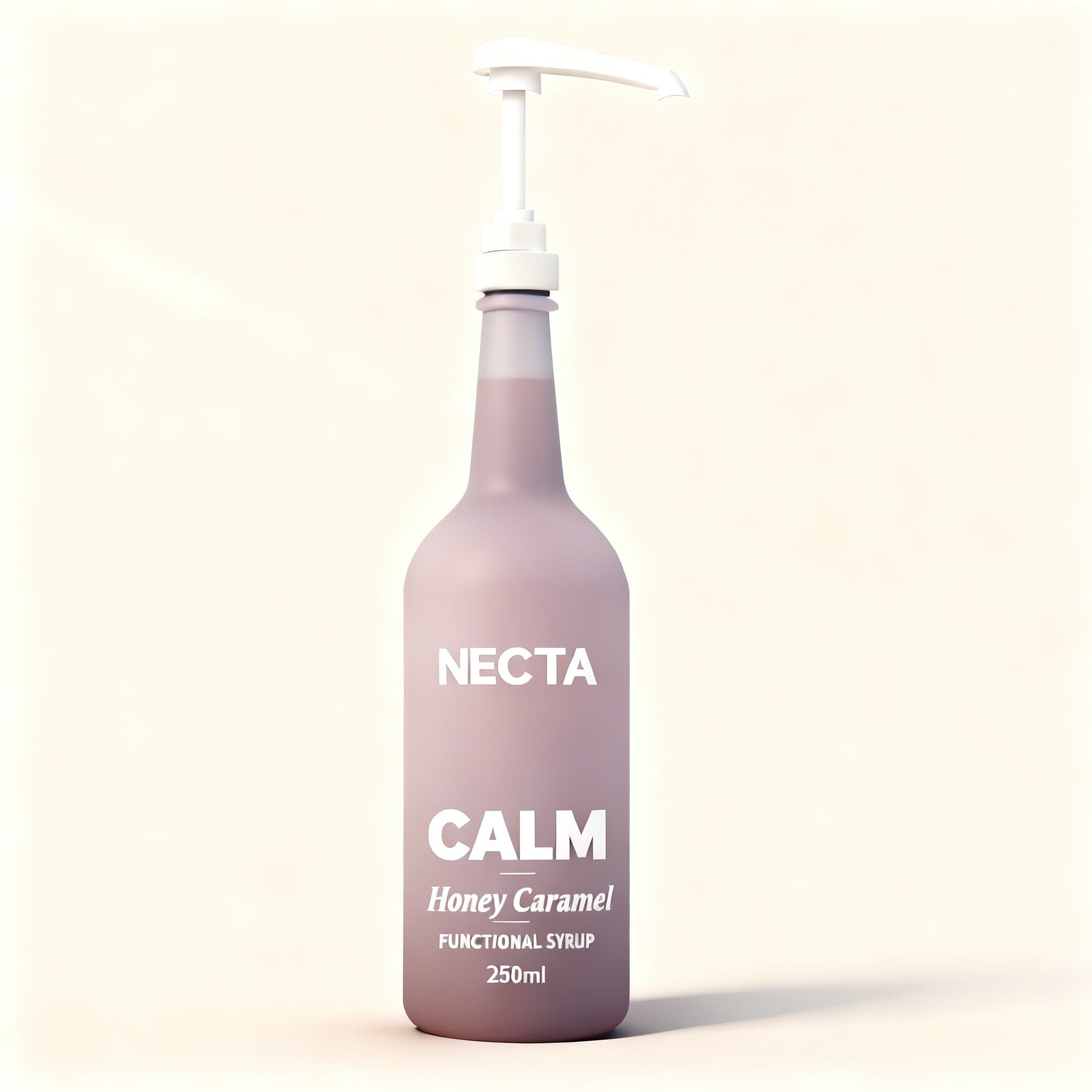
- Ashwagandha + Lemon Balm + Chamomile — targets cortisol, GABA activity, and long-term HPA modulation simultaneously. This is the combination in NECTA CALM.
- Rhodiola + Lion's Mane — cognitive performance under stress. See NECTA FOCUS.
The key rule: give adaptogens 4–8 weeks before judging. They are not acute anxiolytics. They are systemic modulators that build benefit over time.
What to Avoid
Not all "adaptogen" products on the market are worth your money. Watch out for:
- Proprietary blends that hide individual doses (you can't know if the dose is effective)
- Mycelium-on-grain mushroom products (mostly starch, not active compounds)
- Products claiming instant results from adaptogens (that's not how they work)
- Very low doses added for marketing only
Always look for products that list exact milligram doses per ingredient and use standardised extracts.