More Than a Bedtime Tea
Chamomile (Matricaria chamomilla or Chamaemelum nobile) is so familiar it is easy to dismiss. It's the tea grandmothers recommend, the flavour on the supermarket shelf next to the decaf. But beneath the gentle branding is a herb with a surprisingly robust body of clinical evidence — including one of the few randomised trials on a natural compound for diagnosed generalised anxiety disorder.
The Active Compounds
Chamomile's effects come from several compound classes working together:
- Apigenin — the most studied compound. A flavonoid that binds to GABA-A receptors in the brain — the same receptors targeted by benzodiazepines (though with far weaker affinity and no dependency risk). This produces the mild sedative and anxiolytic effects associated with chamomile.
- Chamazulene and bisabolol — anti-inflammatory and antispasmodic compounds found in the essential oil. These contribute to chamomile's digestive calming effects.
- Quercetin and luteolin — additional flavonoids with antioxidant and anti-inflammatory activity.
The Clinical Evidence for Anxiety
The landmark trial comes from the University of Pennsylvania. Amsterdam et al. conducted a randomised double-blind placebo-controlled trial in adults with diagnosed Generalised Anxiety Disorder (GAD). Participants taking chamomile extract for 8 weeks showed significantly greater reductions in Hamilton Anxiety Scale scores compared to placebo.
A follow-up study by the same team found that continuing chamomile supplementation after initial remission significantly reduced the rate of GAD relapse — suggesting it has genuine preventive as well as acute therapeutic effects.
These are meaningfully designed trials — not small pilot studies. The effect sizes are modest compared to pharmaceutical anxiolytics, but the safety profile is incomparably better and the evidence is real.
Sleep Quality
Chamomile is most popularly associated with sleep, and the evidence here is real if modest. A 2017 randomised trial in postnatal women found chamomile tea significantly improved sleep quality scores over 2 weeks. Multiple smaller trials have found improvements in sleep onset latency and morning alertness.
The mechanism is primarily apigenin's GABA-A binding — the same mechanism as sleep-promoting pharmaceuticals but much weaker and without the dependency or cognitive impairment risks. Chamomile is appropriate for mild sleep disruption rather than clinical insomnia.
Anti-Inflammatory and Digestive Benefits
Beyond anxiety and sleep, chamomile has well-documented anti-inflammatory and digestive benefits. It reduces intestinal smooth muscle spasms, reducing cramping and IBS symptoms. Chronic stress is a major driver of digestive complaints — chamomile's dual action on stress and gut motility makes it particularly useful for stress-related digestive issues.
How to Use Chamomile Effectively
A standard chamomile tea bag contains approximately 50–150mg of chamomile extract — meaningful but at the lower end of doses used in clinical trials (typically 220–1500mg of extract standardised to 1.2% apigenin). For therapeutic benefit, a standardised extract providing at least 200mg of chamomile per dose is more reliable than a tea bag.
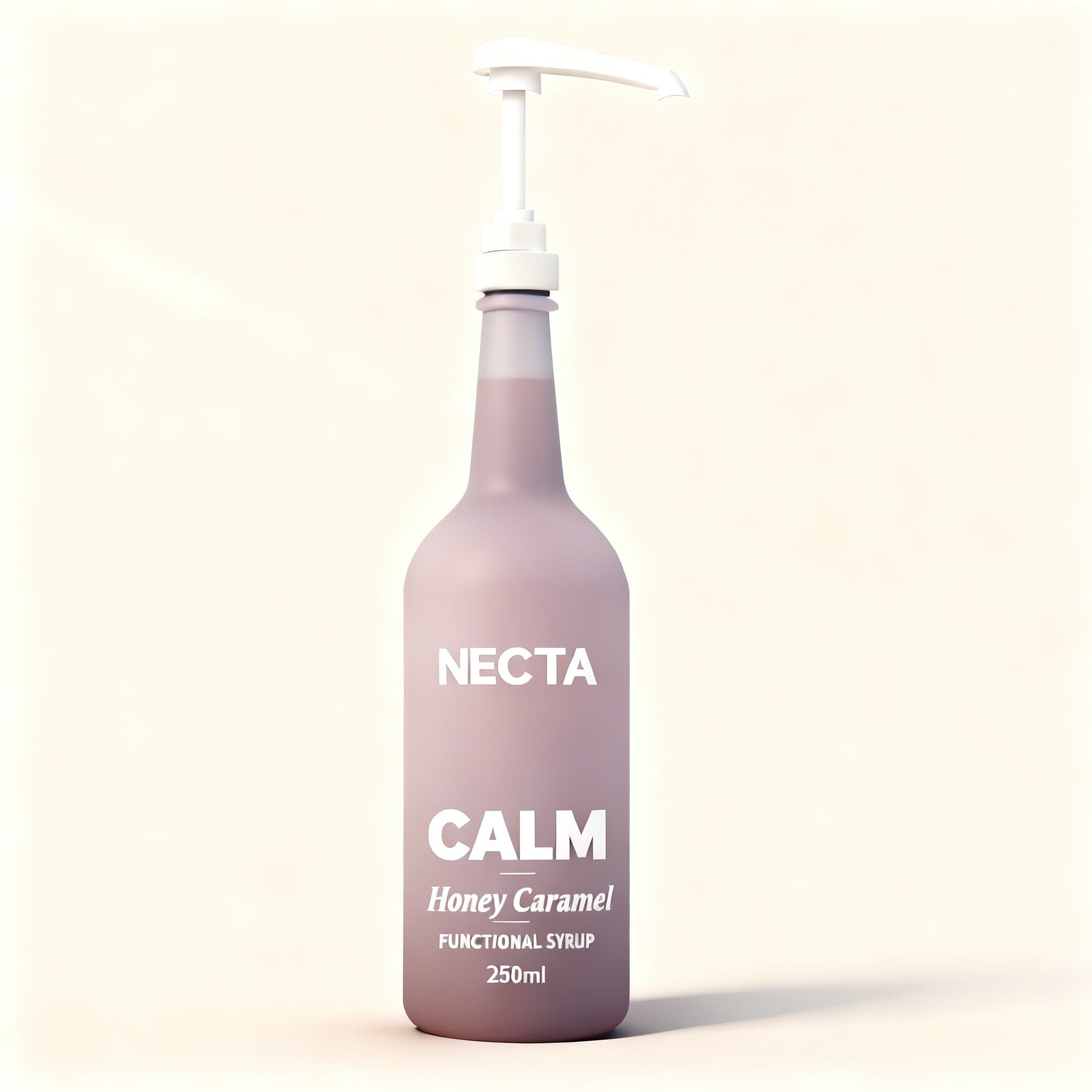
Chamomile combines particularly well with Lemon Balm (which enhances GABA availability) and Ashwagandha (which reduces cortisol) — addressing anxiety from three complementary directions simultaneously. This is the combination in NECTA CALM.
Safety
Chamomile is one of the safest medicinal herbs with centuries of documented use. Rare allergic reactions can occur in people with ragweed or chrysanthemum allergies (same botanical family). Avoid at therapeutic doses in pregnancy due to its mild uterine stimulant effects. Otherwise, daily use at normal doses is well-supported by the safety literature.