The Sceptic's Question
Collagen is a £600m+ industry in the UK and growing at over 6% per year. If you've spent any time in wellness spaces, you've seen the drinks, powders, and capsules claiming to reverse ageing, restore joint cushioning, and give you glowing skin. It's reasonable to ask: is any of this real, or is it elaborate marketing?
The answer, based on the clinical literature, is more nuanced than either "yes it works" or "it's all nonsense." Collagen supplementation has genuine, well-evidenced effects in specific contexts — but it also has significant caveats that the industry rarely discusses.
First: Can You Even Absorb Collagen?
This is the oldest and most important question. For decades, the prevailing view among sceptics was that collagen — being a protein — is simply broken down into amino acids in the gut like any other protein, making it no different from eating chicken or eggs.
This has now been challenged by studies using radiolabelled collagen peptides showing that hydrolysed collagen fragments (di- and tripeptides) survive digestion and appear intact in the bloodstream within hours of ingestion. These fragments have been tracked all the way to the dermis in human studies.
The key phrase here is hydrolysed collagen (also called collagen peptides). This is collagen that has been enzymatically broken down into small fragments (typically under 5kDa) that can be absorbed through the intestinal wall. Native collagen (found in bone broth or gelatin) is less well absorbed.
Skin: The Strongest Evidence
The most consistent clinical evidence for collagen supplementation is for skin health:
- Proksch et al. (2014) — the landmark randomised double-blind trial. 2.5g of hydrolysed marine collagen peptides daily for 8 weeks significantly improved skin elasticity (by 15%) compared to placebo in women aged 35–55.
- Bolke et al. (2019) — 12 weeks of hydrolysed collagen with hyaluronic acid produced significant reductions in wrinkle depth and improvements in skin hydration.
- Kim et al. (2018) — 12-week trial showed measurable improvements in skin moisture content and surface roughness.
- A 2021 systematic review of 11 RCTs concluded that oral collagen supplementation consistently improves skin hydration and elasticity, with most studies showing effects from 2.5–10g per day over 8–12 weeks.
The mechanism: collagen peptides act as signalling molecules in the dermis, stimulating fibroblasts — the cells that produce new collagen — to upregulate production. They also provide directly usable hydroxyproline and glycine, the amino acids most critical for collagen synthesis.
Joints: Real but More Mixed
Joint cartilage contains Type II collagen. Supplementation with hydrolysed Type I collagen (the most common form) shows benefits in joint pain reduction across multiple trials — particularly in athletes with exercise-related joint pain and in adults with mild osteoarthritis. However, the effect sizes are smaller than for skin, and the research is less consistent. A 2016 meta-analysis found significant improvements in joint pain in the majority of included trials.
Hair and Nails
Evidence is less robust here. Hair is primarily keratin (not collagen), so the mechanism is indirect — collagen supplementation provides cysteine and proline that can be used for keratin synthesis, and reduces oxidative stress in hair follicles. Several small trials show improvements in hair thickness and nail brittleness, but these are not as well powered as the skin studies.
What Actually Matters: Dose and Form
Two factors determine whether a collagen product actually works:
- Dose — the clinical sweet spot is 2.5–10g of hydrolysed collagen peptides per day. Products with 500mg or 1g are significantly underdosed relative to the evidence base.
- Form — hydrolysed/peptide form is essential. Marine collagen is best absorbed (smallest peptide size, highest bioavailability). Bovine collagen is also well-studied. Native collagen or gelatin is less bioavailable.
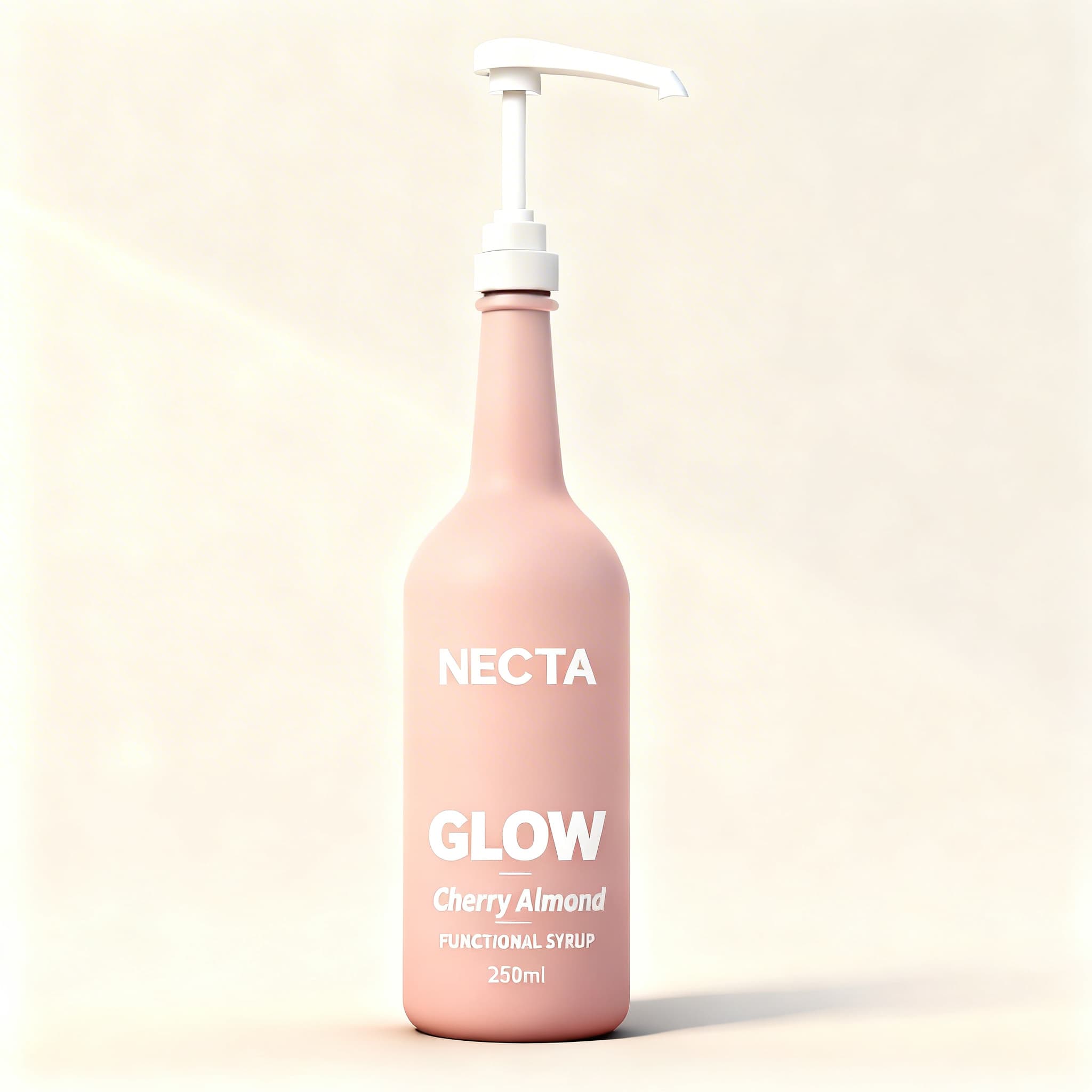
NECTA GLOW contains 2.5g of hydrolysed Marine Collagen per serving — the minimum effective dose from the Proksch skin elasticity trial — alongside Hyaluronic Acid 120mg and CoQ10 80mg, which have synergistic evidence for skin hydration and antioxidant protection.
The Bottom Line
Does collagen work? Yes — for skin specifically, the clinical evidence is genuinely strong. 2.5–10g per day of hydrolysed collagen for 8–12 weeks produces measurable improvements in skin elasticity and hydration in multiple well-designed trials. The sceptical position that "collagen is just protein" has been superseded by direct evidence that intact collagen peptides are absorbed and reach skin tissue.
The caveats: dose matters, form matters, and expectations need to be realistic. You will not undo 40 years of UV damage in 4 weeks. But consistent daily use at the right dose, over 3+ months, produces real, measurable changes in skin quality.