What Is Lion's Mane?
Lion's Mane (Hericium erinaceus) is a medicinal mushroom that has been used in traditional Chinese medicine for centuries. It gets its name from its distinctive shaggy appearance — cascading white tendrils that look like, well, a lion's mane. Today it's one of the most researched nootropic ingredients in the world.
Unlike caffeine, which gives you a short spike and a crash, Lion's Mane works cumulatively to support your brain's natural chemistry. That makes it a very different kind of cognitive tool.
The Key Compounds: NGF and BDNF
Lion's Mane contains two unique groups of compounds: hericenones (found in the fruiting body) and erinacines (found in the mycelium). Both have been shown in laboratory and human studies to stimulate the production of Nerve Growth Factor (NGF) — a protein that is critical for the growth, maintenance, and survival of neurons.
NGF plays a major role in neuroplasticity — your brain's ability to form new connections. This is what underlies learning, memory formation, and recovery from cognitive fatigue.
Lion's Mane has also been shown to support Brain-Derived Neurotrophic Factor (BDNF), sometimes called "fertiliser for the brain." Low BDNF is associated with brain fog, depression, and cognitive decline.
What Does the Clinical Research Say?
Several human trials have examined Lion's Mane's effects on cognition:
- Mori et al. (2009) — a randomised double-blind placebo-controlled trial in Japanese adults with mild cognitive impairment found that 3g of Lion's Mane daily for 16 weeks led to significantly improved cognitive function scores compared to placebo. Scores declined after supplementation stopped.
- Nagano et al. (2010) — a randomised trial found significant reductions in anxiety and depression scores after 4 weeks of Lion's Mane supplementation in women.
- Chong et al. (2019) — a systematic review concluded Lion's Mane shows promise for improving mild cognitive impairment and early Alzheimer's symptoms.
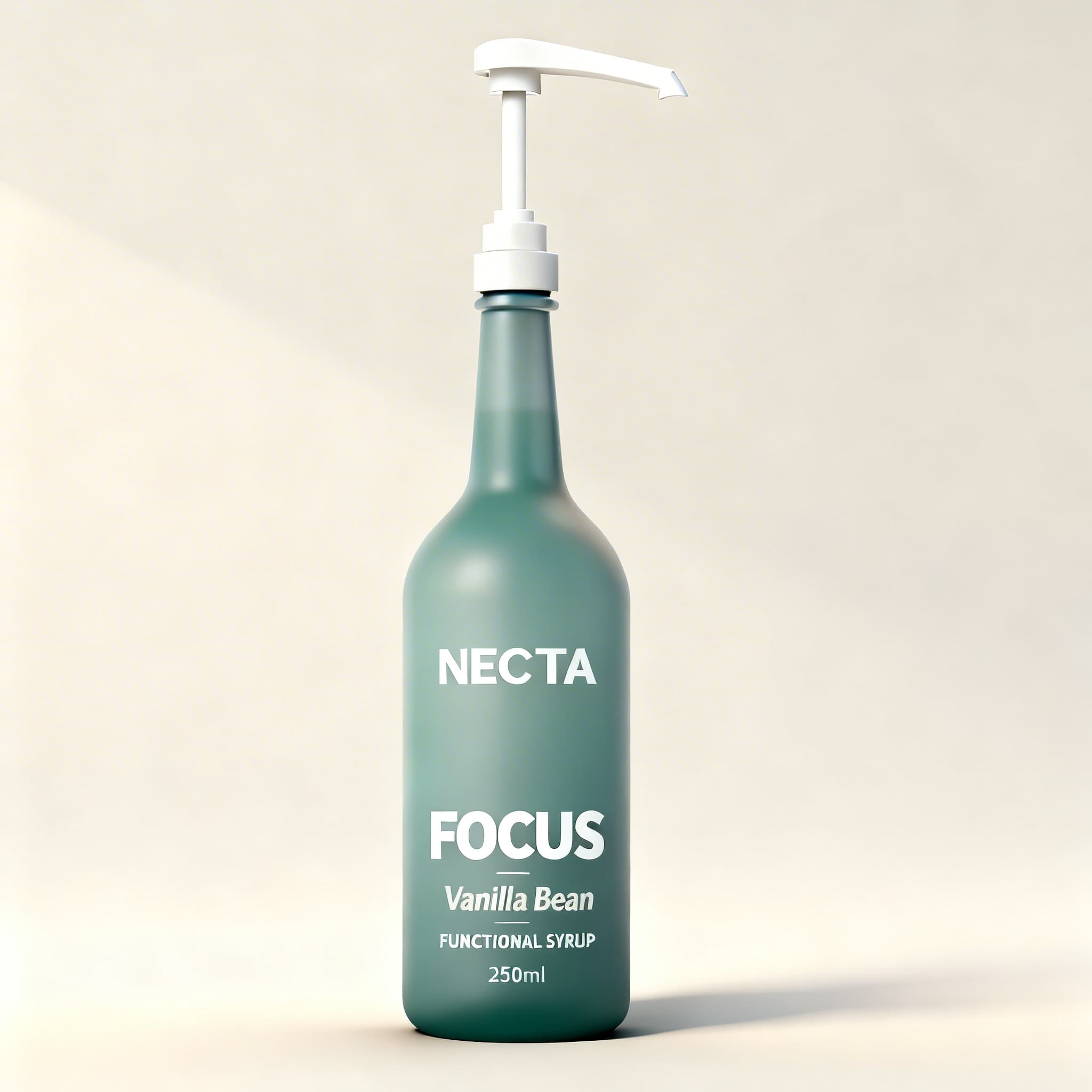
Most studies use doses of 500mg–3g of fruiting body extract per day. NECTA FOCUS contains 500mg per serving — the clinically studied minimum effective dose.
How Quickly Does Lion's Mane Work?
This is where people get frustrated. Lion's Mane is not like caffeine. You won't feel it after one dose. Most clinical trials show meaningful effects after 4–16 weeks of consistent daily use. Think of it like exercise — you don't get fit after one session. You build the benefit over time.
That said, many users report a subtle sense of mental clarity within the first 1–2 weeks. This is likely due to NGF accumulation beginning relatively quickly once supplementation starts.
Who Should Take Lion's Mane?
Lion's Mane is particularly well-suited for:
- People who experience brain fog or mental fatigue
- Anyone who wants to support long-term cognitive health
- Students and professionals who need sustained focus without stimulants
- People reducing caffeine dependence
It is generally considered safe for daily use. Lion's Mane is well-tolerated with no significant adverse effects reported in clinical literature. Always consult a healthcare professional if you are pregnant, breastfeeding, or on medication.
Does It Stack With Other Ingredients?
Yes — and this is where it gets interesting. Lion's Mane works synergistically with L-Theanine, which promotes calm alertness and reduces the background mental noise that gets in the way of focus. Rhodiola Rosea adds adaptogenic stress-buffering, helping maintain mental performance under pressure.
This trio — Lion's Mane, L-Theanine, and Rhodiola — is exactly what NECTA FOCUS is built around.
What to Look For in a Lion's Mane Supplement
Not all Lion's Mane supplements are equal. Key things to check:
- Fruiting body vs mycelium — fruiting body contains higher concentrations of the active hericenones. Many cheap products use mycelium grown on grain, which is mostly starch.
- Dose — clinical studies use 500mg–3g. Products with less than 250mg are likely underdosed.
- Extraction method — hot water or dual extraction (hot water + alcohol) is needed to access the full range of bioactive compounds.
The Bottom Line
Lion's Mane has more robust human clinical trial evidence behind it than almost any other nootropic supplement. It genuinely supports neuroplasticity, NGF production, and long-term cognitive health. It is not a quick fix — it is a daily habit that compounds over weeks and months. At 500mg per day in a form your brain can actually use, it's one of the most valuable things you can add to your morning routine.