Why Cortisol Matters
Cortisol is your primary stress hormone — produced by the adrenal glands in response to physical or psychological threat. In short bursts it is essential: it mobilises energy, sharpens focus, and prepares you for action. The problem is modern life keeps the tap running. Chronic elevated cortisol is now one of the most common and under-addressed contributors to poor health in the UK.
High cortisol over time is associated with: anxiety and depression, disrupted sleep, weight gain (particularly abdominal), suppressed immune function, brain fog, memory impairment, and accelerated skin ageing. Reducing it has broad, far-reaching benefits.
1. Ashwagandha (KSM-66) — The Most Evidence-Backed Supplement
Among all natural interventions, ashwagandha has the strongest clinical evidence for directly reducing serum cortisol. A 2012 randomised controlled trial found KSM-66 at 300mg twice daily reduced cortisol by 27.9% over 60 days. Multiple follow-up trials have replicated this finding.
Withanolides — ashwagandha's active compounds — inhibit CRH (corticotropin-releasing hormone) signalling at the hypothalamus, directly damping the hormonal cascade that leads to cortisol release. This is a pharmacologically plausible and well-evidenced mechanism.
Dose: 300–600mg of KSM-66 or equivalent standardised extract, taken daily. Builds over 4–8 weeks.
2. Phosphatidylserine
Phosphatidylserine is a phospholipid found in high concentrations in brain cell membranes. Supplementation at 400–800mg has been shown in multiple studies to blunt the cortisol response to exercise and psychological stress. It works by acting on the hypothalamus-pituitary feedback loop. It's particularly useful for athletes or people under high cognitive load.
3. L-Theanine
L-Theanine — the amino acid from green tea — reduces the excitatory neurotransmitter activity that drives the anxious mental state associated with elevated cortisol. EEG studies show it increases alpha brain wave activity within 45 minutes — the brain state associated with relaxed alertness. It doesn't directly lower serum cortisol but reduces its psychological effects significantly and may reduce cortisol reactivity to stressors.
Dose: 80–200mg, ideally alongside caffeine at a 2:1 ratio. Available in NECTA FOCUS.
4. Quality Sleep (Non-Negotiable)
Cortisol follows a circadian rhythm — it naturally peaks in the morning (helping you wake up) and should be at its lowest around midnight. Sleep deprivation completely disrupts this cycle: even one night of poor sleep increases morning cortisol significantly. Chronic sleep restriction causes sustained HPA axis dysregulation.
Practical interventions: consistent sleep and wake times (even on weekends), blue light blocking from 9pm, keeping the bedroom under 18°C, and avoiding caffeine after 2pm. If cortisol-driven insomnia is the problem, ashwagandha and L-theanine both support sleep onset by reducing the cortisol that prevents it.
5. Exercise — The Right Kind
Exercise acutely raises cortisol — this is normal and necessary for adaptation. However, regular moderate exercise consistently lowers baseline cortisol over time and improves HPA axis regulation. The caveat: over-training raises chronic cortisol. Long-duration cardio without adequate recovery is one of the most reliable ways to chronically elevate cortisol.
For cortisol management: prioritise strength training and moderate cardio (20–40 minutes) over endurance training. Allow 48 hours recovery between intense sessions. Yoga and tai chi have specific evidence for acute cortisol reduction beyond typical exercise benefits.
6. Reduce Caffeine (Strategically)
Caffeine directly stimulates cortisol production by blocking adenosine receptors and triggering adrenal activity. One espresso can raise cortisol by 30% for 1–3 hours. This is generally fine for healthy adults — the issue is compounding: multiple coffees, high baseline stress, and poor sleep together create sustained cortisol elevation.
You don't necessarily need to eliminate caffeine. But limiting intake to the morning (before noon), reducing total daily dose, and pairing it with L-theanine smooths the cortisol curve significantly. Adding ashwagandha to coffee is another practical strategy.
7. Social Connection and Nature Exposure
Two of the most underrated, cost-free cortisol reducers: social connection and time in natural environments. Multiple studies show cortisol drops measurably after 20 minutes in a park or natural setting — a response that appears to be hardwired rather than merely psychological. Oxytocin (released by positive social interaction) directly suppresses cortisol. Neither of these requires a supplement.
The Compounding Effect
None of these interventions in isolation will transform your cortisol profile overnight. The approach that works is stacking multiple low-effort interventions: consistent sleep, daily adaptogens, moderate exercise, reduced caffeine load, and deliberate recovery time. Each reduces cortisol by a small amount; together the effect is clinically meaningful.
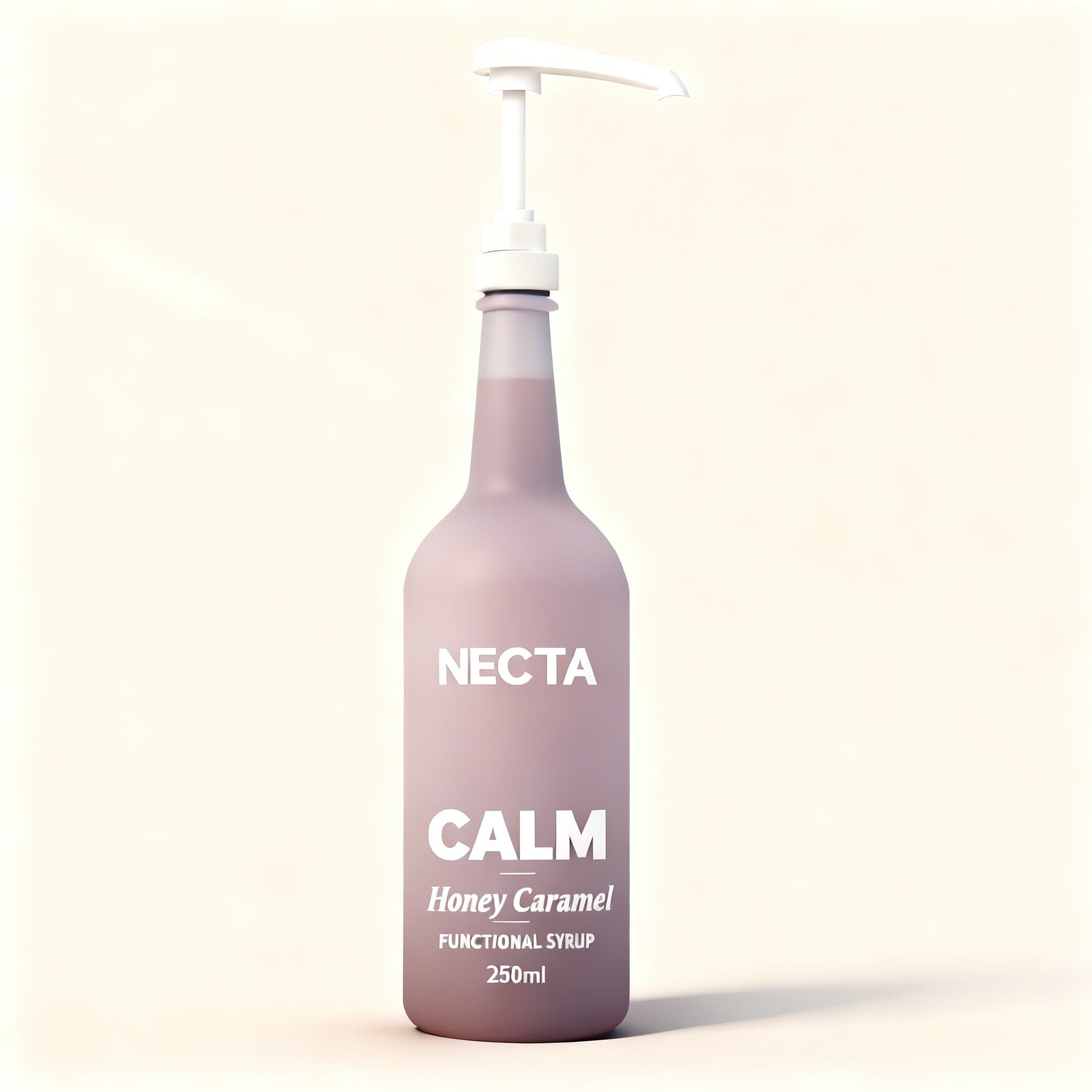
For supplementation specifically: ashwagandha + L-theanine is the most evidence-supported combination, targeting the HPA axis and neurological stress response simultaneously. This is exactly what NECTA CALM is built around.