First, What Is Collagen?
Collagen is the most abundant protein in the human body — it forms the structural scaffold of skin, tendons, ligaments, cartilage, and bone. In skin specifically, collagen provides tensile strength and elasticity. Type I collagen makes up roughly 80% of skin collagen and is the primary type responsible for its firmness and youthful appearance.
From our mid-twenties, collagen production declines by approximately 1% per year. UV exposure, smoking, high sugar intake, and stress accelerate this decline. The visible result is reduced skin elasticity, fine lines, and the loss of the plump quality associated with younger skin.
What Is Marine Collagen?
Marine collagen is extracted from fish skin and scales — primarily from species like cod, tilapia, and salmon. It is overwhelmingly Type I collagen — the same type that makes up most of human skin. Marine collagen peptides are produced by hydrolysis, breaking the collagen protein into smaller peptide fragments (typically 2–5kDa) that are small enough to be absorbed through the gut wall and into the bloodstream.
Once absorbed, collagen peptides do two things: they provide amino acids directly for collagen synthesis (particularly glycine, proline, and hydroxyproline), and they act as signalling molecules that stimulate fibroblasts — the cells responsible for producing new collagen — to upregulate production.
What Is Plant Collagen?
Here is where the marketing gets murky. There is no collagen in plants. Plants do not produce collagen — it is an exclusively animal protein. "Plant collagen" products are one of two things:
- Collagen boosters — vitamin C, silica, and other plant compounds that support your body's own collagen synthesis. These are real and valuable, but they are not collagen.
- Vegan collagen — lab-produced recombinant human collagen using yeast or bacteria. This is emerging technology and not yet commercially available at scale in supplements.
The honest answer is: if a product says "plant collagen," it is most likely a collagen-supporting formula, not actual collagen. Read the label carefully.
The Clinical Evidence for Marine Collagen
Marine collagen has a strong body of human clinical evidence, particularly for skin:
- Proksch et al. (2014) — a randomised double-blind trial found that 2.5g of hydrolysed marine collagen daily for 8 weeks significantly improved skin elasticity compared to placebo. A follow-up study confirmed effects on skin hydration and dermal collagen density.
- Bolke et al. (2019) — a 12-week trial found marine collagen (combined with hyaluronic acid and other co-factors) significantly reduced wrinkle depth and improved skin hydration.
- Kim et al. (2018) — found improvements in skin moisture content and surface roughness after 12 weeks of daily marine collagen supplementation.
The consistent finding across trials is that 2.5–10g per day for 8–12 weeks produces measurable improvements in skin elasticity, hydration, and fine line appearance.
Absorption: Marine Collagen Wins Clearly
Marine collagen peptides have a molecular weight of approximately 500 Da — significantly smaller than bovine collagen peptides, which typically range from 1,000–3,000 Da. Smaller molecular weight means:
- Higher bioavailability — more of what you consume is actually absorbed
- Faster absorption — appears in blood within 1 hour of ingestion
- More efficient delivery to skin, joints, and other tissues
Studies using radiolabelled collagen peptides have tracked marine collagen fragments all the way to the dermis — confirming it actually reaches the skin tissue rather than being broken down entirely in digestion.
Who Should Use Plant-Based Collagen Support Instead?
If you are vegan or vegetarian, marine collagen is not an option. The practical alternative is to optimise your body's own collagen synthesis through:
- Vitamin C — essential cofactor for collagen synthesis. Deficiency directly impairs collagen production.
- Silica — found in horsetail extract; supports collagen cross-linking
- Zinc — required for the enzymes that build collagen structures
- Antioxidants — protect existing collagen from breakdown by free radicals
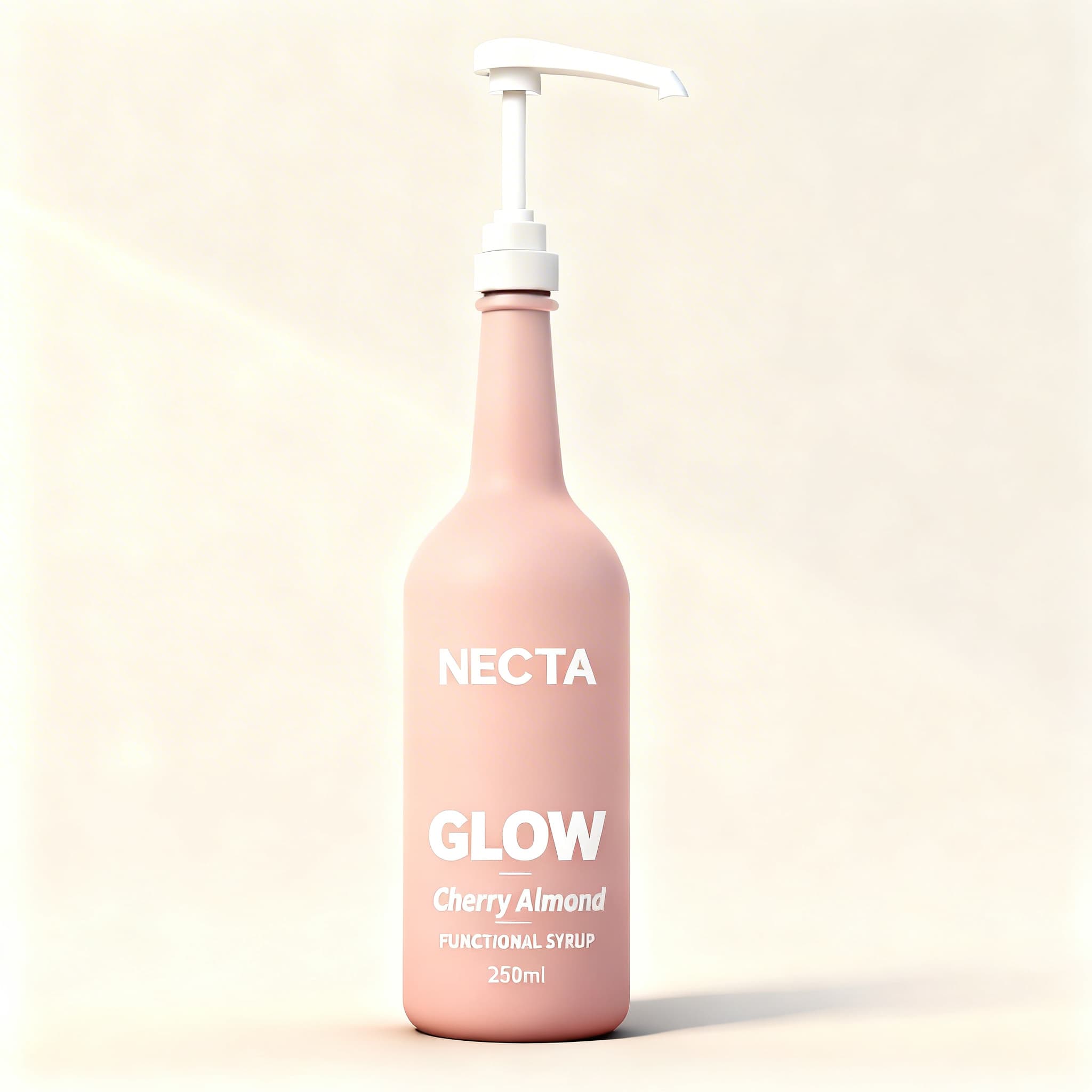
NECTA GLOW contains Marine Collagen 2.5g alongside Hyaluronic Acid 120mg and CoQ10 80mg — two compounds that work synergistically with collagen for skin hydration and antioxidant protection. We are developing a vegan GLOW formulation for Phase 2.
The Bottom Line
If skin health is your goal and you consume animal products, marine collagen at 2.5g+ per day is the most evidence-backed option available. It is better absorbed than bovine collagen, has stronger clinical trial evidence for skin specifically, and is more sustainably sourced when produced from fish processing by-products.
Plant collagen is a marketing term for what is really a collagen-supporting formula — legitimate and useful, but not the same thing. Both have a role, but know what you're buying.