What Is Rhodiola Rosea?
Rhodiola rosea is a flowering plant native to the Arctic and alpine regions of Europe, Asia, and North America. It has been used medicinally for centuries in Scandinavia, Russia, and China — traditionally to combat fatigue at high altitude, improve work capacity in harsh conditions, and enhance resilience to stress. Vikings reportedly used it to enhance endurance. Siberian populations have used it for centuries as a general tonic.
Modern scientific interest in Rhodiola was driven largely by Soviet research programmes in the 1960s–80s that examined it as a performance enhancer for cosmonauts, soldiers, and elite athletes — research that has since been validated and extended by independent clinical trials in the West.
Active Compounds
Rhodiola's primary bioactive compounds are rosavins (rosavin, rosin, rosarin) and salidroside (also called p-tyrosol). Quality Rhodiola extracts are standardised to 3% rosavins and 1% salidroside — the ratio found in the root and used in most clinical studies.
These compounds work through multiple mechanisms: monoamine oxidase (MAO) inhibition (increasing serotonin and dopamine availability), normalisation of HPA axis stress response, and direct neuroprotection through antioxidant activity in the CNS.
Mental Performance Under Stress: The Core Evidence
This is where Rhodiola's evidence is most consistent and compelling:
- Darbinyan et al. (2000) — a double-blind placebo-controlled trial in physicians on night shift found significant improvements in fatigue, mental performance, situational awareness, and mood after Rhodiola supplementation over 2 weeks.
- Shevtsov et al. (2003) — single-dose Rhodiola extract significantly improved capacity for mental work in students during exam periods within hours of ingestion.
- Olsson et al. (2009) — a 12-week trial in adults with burnout found Rhodiola significantly improved attention, cognitive function, self-reported burnout, and cortisol response over time.
Notably, Rhodiola shows both acute (single-dose) and chronic (cumulative) effects — making it one of the few adaptogens where you may notice something on day one as well as over weeks.
Burnout and Chronic Fatigue
The Olsson 2009 burnout trial is particularly relevant for a modern UK audience where burnout is increasingly common. The specific improvements were in: sustained attention, cognitive processing speed, work performance ratings, and cortisol awakening response (a marker of HPA axis health). Rhodiola appears to directly address the dysregulated stress response at the root of burnout.
How It Differs from Ashwagandha
Ashwagandha works primarily by dampening the stress response — reducing cortisol, reducing anxiety, promoting calm. Rhodiola works by improving performance under stress — sharpening cognitive function, reducing fatigue, and enhancing mental resilience without necessarily reducing arousal. They are complementary rather than redundant:
- Use ashwagandha when the problem is anxiety, elevated cortisol, or sleep disruption
- Use Rhodiola when the problem is mental fatigue, burnout, or need to perform well under pressure
- Use both when the picture is complex — which it usually is
Dose and Timing
Effective doses in trials: 200–400mg of standardised extract (3% rosavins, 1% salidroside) per day. Some people find Rhodiola stimulating and prefer morning dosing. Unlike ashwagandha, it has mild stimulant-adjacent properties — taking it late in the day may disrupt sleep in sensitive individuals.
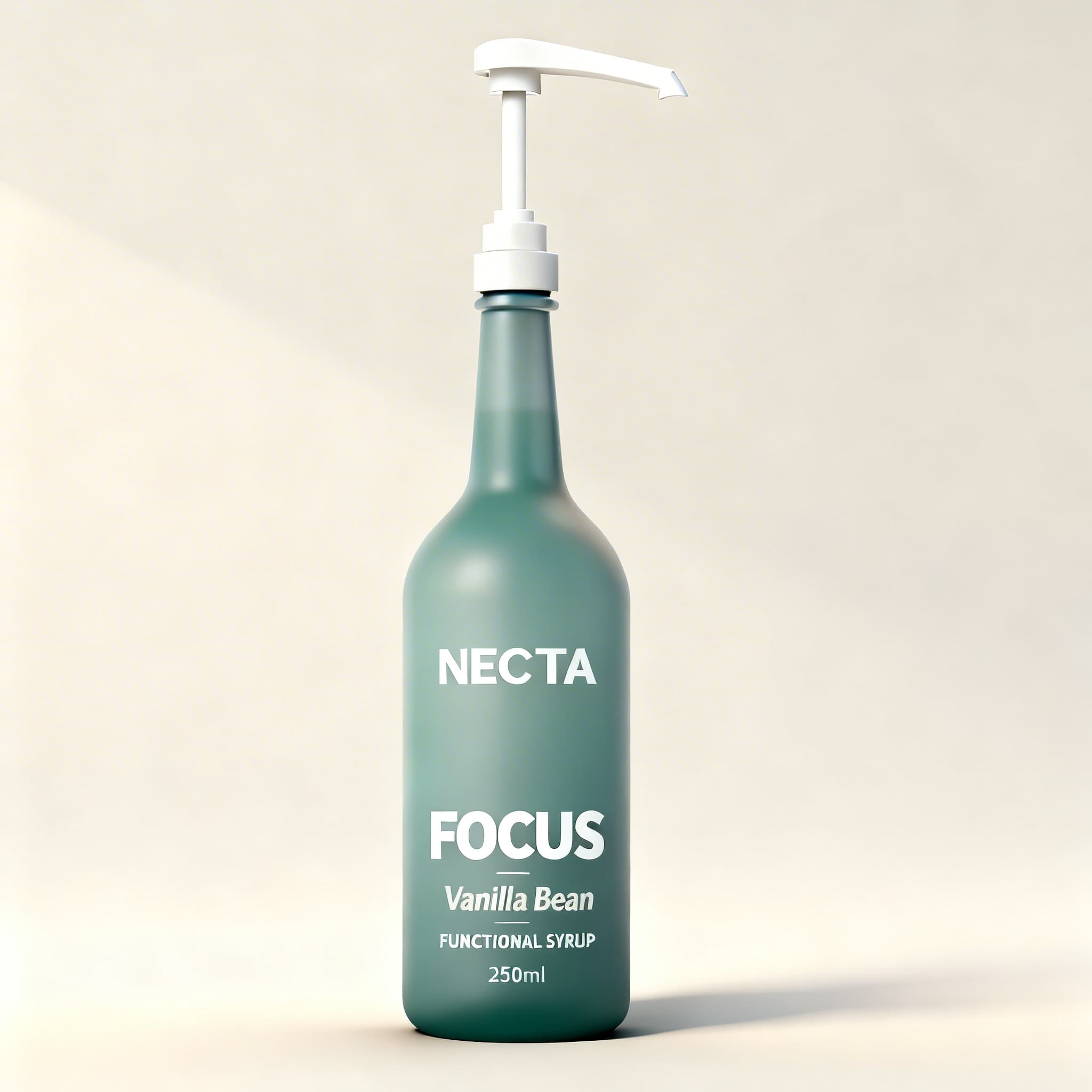
NECTA FOCUS contains 200mg Rhodiola Rosea per serving, standardised to clinical ratios, for use as part of a morning cognitive routine.
Safety
Rhodiola is well-tolerated in clinical doses. Mild dizziness has been reported in a small number of subjects at higher doses. It has theoretical interactions with SSRIs (serotonin activity) — consult your GP if on antidepressants. Avoid if pregnant or breastfeeding due to insufficient safety data in these populations.