What Is Mushroom Coffee?
Mushroom coffee is a category of functional beverage that combines coffee (or coffee-flavoured base) with extracts of medicinal mushrooms — most commonly Lion's Mane, Reishi, Chaga, or Cordyceps. It does not taste like mushrooms. Done well, it tastes like coffee — sometimes with earthy, slightly nutty notes — while delivering the cognitive and immune benefits associated with functional mushrooms.
The category exploded in the UK in 2024, with search interest growing over 450% in 12 months. Brands like Spacegoods and Four Sigmatic have driven mainstream awareness, and M&S launched a Lion's Mane latte range in early 2025. The UK mushroom coffee market is now growing at over 50% year-on-year.
The Mushrooms Used and What They Do
Not all mushroom coffees use the same ingredients. The most common and best-researched:
- Lion's Mane (Hericium erinaceus) — supports Nerve Growth Factor (NGF) production, promoting cognitive clarity, memory, and neuroplasticity. The most studied mushroom for brain health.
- Reishi (Ganoderma lucidum) — immune modulator with adaptogenic and mild anxiolytic effects. Promotes calm focus rather than stimulation.
- Chaga (Inonotus obliquus) — high in antioxidants (particularly melanin and betulinic acid). Anti-inflammatory. Less cognitive focus, more systemic wellness.
- Cordyceps (Ophiocordyceps sinensis) — traditionally used for energy and stamina. A 2025 meta-analysis confirmed significant improvements in VO2 max in human subjects.
Does Mushroom Coffee Actually Work?
The honest answer is: it depends entirely on the product. The science behind individual medicinal mushrooms is genuinely strong — particularly for Lion's Mane (NGF, cognition) and Reishi (immunity, stress). The problem is that many mushroom coffee products on the market contain doses far too low to have any measurable effect.
Clinical studies on Lion's Mane typically use 500mg–3g of fruiting body extract per day. If a mushroom coffee sachet contains 50mg mixed into a blend of 10 ingredients, you are getting 1/10th of the minimum effective dose. This is legal to sell but unlikely to produce the benefits the packaging implies.
What to look for:
- Exact milligram doses listed per ingredient (not proprietary blends)
- Fruiting body extract, not mycelium-on-grain (mycelium products are mostly starch)
- Beta-glucan content specified (a quality marker for mushroom extract potency)
- At least 300–500mg of the primary mushroom per serving
Mushroom Coffee vs Regular Coffee: The Main Differences
Regular coffee delivers caffeine — a powerful adenosine blocker that increases alertness but also elevates cortisol and can cause anxiety and energy crashes. Mushroom coffee typically has less caffeine (or none), with the mushroom extracts providing a different kind of cognitive support — less stimulation, more sustained clarity and resilience.
Many people find mushroom coffee reduces the jitteriness and anxiety they associate with coffee while maintaining useful focus. This is partly due to lower caffeine content, and partly due to the adaptogenic compounds in mushrooms like Reishi and Lion's Mane modulating the stress response.
How to Add Mushrooms to Your Existing Coffee
You don't have to replace your coffee to get the benefits of medicinal mushrooms. Adding a functional infusion to your existing morning coffee is often more practical and lets you control both the caffeine dose and the mushroom dose independently.
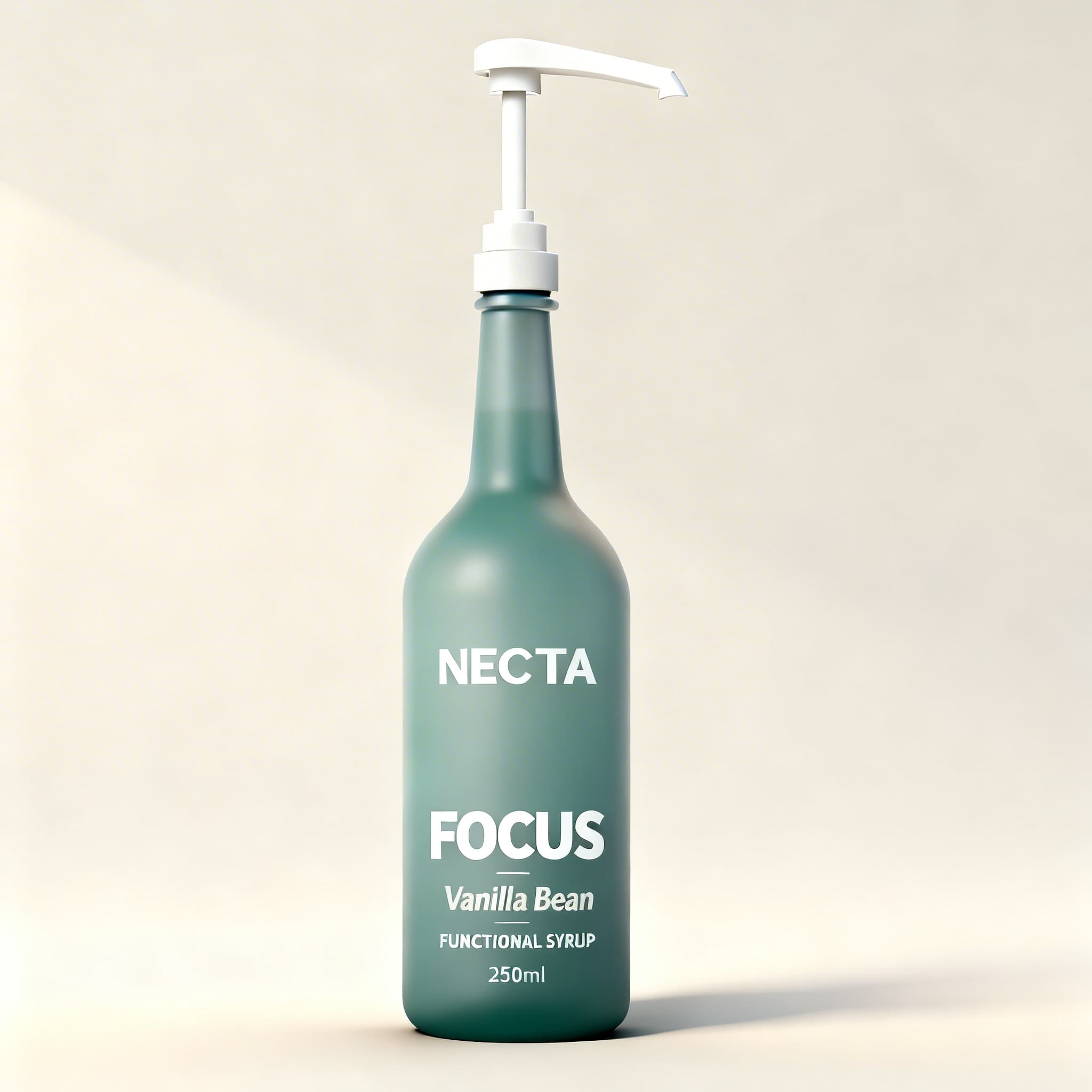
NECTA FOCUS adds Lion's Mane 500mg, L-Theanine 80mg, and Rhodiola 200mg directly into any drink — including coffee — in 2 pumps. You keep your coffee ritual; you add the functional layer on top.
Is Mushroom Coffee Safe?
Yes, for most people. Medicinal mushrooms have centuries of traditional use and a strong modern safety record. As with any supplement, consult your GP if you are pregnant, breastfeeding, on immunosuppressant medication, or have a mushroom allergy. Start with lower doses if you are sensitive to dietary changes.