The Only Thing That Matters With Adaptogens: Doing It Every Day
Adaptogens are not like painkillers or caffeine — take one and feel the effect immediately. They work by gradually modulating your HPA axis, your cortisol rhythm, your NGF levels, your neurotransmitter systems. That modulation happens over weeks and months of consistent daily exposure. Miss a day: fine. Miss two weeks: you've interrupted the cumulative build. Take them sporadically for a month: you'll feel nothing.
This means that the most important variable in adaptogen efficacy is not which brand you buy, or even exactly which ingredients you choose. It's whether you actually take them every day. Everything about your routine — the format, the timing, the habit hook — should be optimised for that single goal.
The Simplest Effective Adaptogen Morning Routine
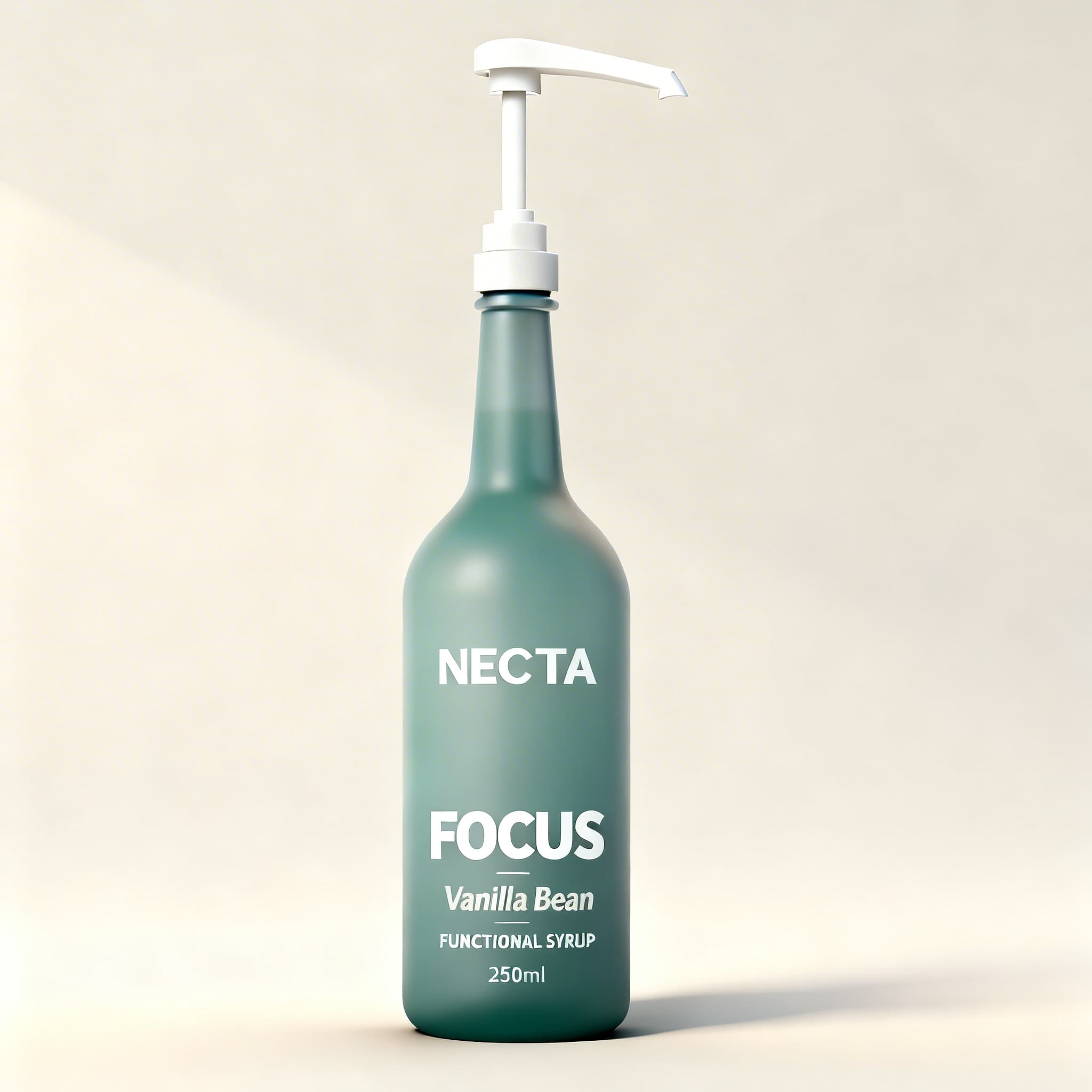
Here's the one-sentence version: add 2 pumps of a quality liquid adaptogen concentrate to your morning coffee or tea before you drink it.
That's it. No new habit. No new purchase. No new step in your morning. You already make coffee. You add the adaptogens to the coffee. You drink the coffee. Done.
This approach works because it attaches your adaptogen dose to an existing, highly-anchored daily behaviour (making coffee) that you almost never skip. The coffee is the habit anchor. The adaptogen is the rider. Riders survive because anchors are strong.
What to Take in the Morning
Morning is the optimal time for most adaptogenic compounds. Here's why, by ingredient:
Rhodiola Rosea — Definitely Morning
Rhodiola has mild stimulant properties and should always be taken in the first half of the day. It can interfere with sleep if taken in the afternoon or evening. 200–400mg standardised extract with your morning coffee is the standard protocol in clinical trials. See our rhodiola guide.
Lion's Mane — Morning or Afternoon
Lion's mane has no stimulant effect and doesn't affect sleep. Morning is convenient for routine consistency. Some people take a second serving mid-afternoon for an additional cognitive top-up. See our lion's mane guide.
L-theanine — Morning (With Caffeine)
L-theanine is most effective taken alongside caffeine. The combination produces significantly better focus and attention than caffeine alone, while removing the jitteriness and anxiety caffeine can cause on its own. Taking it in your morning coffee is the exact use case it's designed for. See our L-theanine guide.
Ashwagandha — Morning or Evening (Pick One, Be Consistent)
Ashwagandha is flexible. Many clinical trials take it in the morning; some take it at night (since it supports sleep quality). The most important thing is consistency — the same time each day. If you're using it primarily for sleep, evening is better. If you're combining it with a focus adaptogen blend, morning works well. See our ashwagandha guide.
Reishi — Evening
Reishi's triterpene compounds have calming, sleep-supportive effects. It's one of the few adaptogens clearly better suited to evening use. A small pump into warm oat milk or chamomile tea before bed is a classic use case. See our reishi guide.
Building Your Morning Stack Into Coffee
A practical morning adaptogen stack added to coffee:
- Make your coffee as usual
- Add 2 pumps of a focus adaptogen concentrate (lion's mane + rhodiola + L-theanine)
- Stir once
- Drink as normal
Total additional time: 5 seconds. That is a routine you will maintain. Contrast with: opening 3 different supplement bottles, counting out 6–8 capsules, swallowing them with a glass of water. That is a routine you will quit within two weeks.
The liquid pump format exists specifically for this use case. Two pumps, one stir, zero disruption to your morning. See our article on why liquid adaptogens outperform powder.
The Evening Complement
For a complete adaptogen routine, pair your morning focus stack with an evening calm stack:
- Make warm oat milk, chamomile tea, or just warm water
- Add 1–2 pumps of an evening calm blend (ashwagandha + reishi + L-theanine)
- Done
This covers the full daily cycle: cognitive support and cortisol regulation in the morning, nervous system wind-down and sleep quality support in the evening.
How Long Until You Notice Something?
Be honest with yourself about timeline expectations:
- Week 1–2: Possibly nothing. L-theanine in your morning coffee may produce a subtler, cleaner focus within 30–60 minutes per dose.
- Week 2–4: Most people notice rhodiola's effects on mental fatigue and stress resilience. Morning stress spikes feel less severe.
- Week 4–8: Ashwagandha's cortisol-normalising effects become meaningful. Sustained mood stability, improved sleep quality.
- Week 8–12: Lion's mane's cumulative cognitive effects are most evident here — clearer thinking, less brain fog, better cognitive resilience.
Do not evaluate your adaptogen routine at day 14 and conclude it's not working. Evaluate at week 8–12, after consistent daily use. This is why the format matters so much — you will only be at week 12 if weeks 1–11 actually happened.
Bottom Line
The best adaptogen morning routine is the one that disappears into your existing habits completely. Add a quality liquid concentrate to your morning coffee. Do it every day. Evaluate at three months. The ingredients work — the only variable is whether you give them enough time and consistency to do so. See our full guides on adaptogens, best nootropics UK, and how to take adaptogens.