Why Brand Matters More Than Ingredient Lists
Every adaptogen brand in the UK will tell you they use ashwagandha, lion's mane, rhodiola, and reishi. The ingredient list is not where the quality difference lives. It lives in the extract type, the dose, the extraction method, the third-party testing, and — frankly — the willingness to put accurate information on the label even when it would be cheaper not to.
A brand that lists "ashwagandha 200mg" and a brand that lists "KSM-66 ashwagandha 600mg" both contain ashwagandha. One of them will produce measurable clinical effects. The other is decoration. The brand — its philosophy, its formulation decisions, its standards — is the variable that determines which one you're buying.
Here's a framework for telling them apart.
The Six Tests for a Quality UK Adaptogen Brand
1. Do They Name Their Extracts?
Quality brands name the specific patented or standardised extracts they use. "KSM-66 ashwagandha" not "ashwagandha extract." "Rhodiola rosea standardised to 3% rosavins and 1% salidroside" not "rhodiola extract." These named extracts have specific production processes, verified active compound content, and clinical trial evidence. Generic names are a red flag that cheaper, less potent ingredients are being used.
2. Do They Disclose Every Ingredient's Dose?
Proprietary blends — "adaptogen complex 600mg" containing five ingredients — are used to hide individual doses. In practice, they almost always mean every ingredient is below therapeutic threshold. A brand that's confident in its formulation will list every ingredient's dose individually because each one is at a level they're proud of. If a brand won't tell you how much of each ingredient you're getting, assume it's not enough.
3. Do Their Doses Match Clinical Research?
Cross-reference what's on the label with what peer-reviewed studies use. Minimum thresholds from clinical research:
- Ashwagandha: 300–600mg of KSM-66 or Sensoril extract
- Lion's Mane: 500mg–1g of dual-extracted fruiting body
- Rhodiola: 200–400mg standardised to 3% rosavins
- Reishi: 1–5g of standardised dual-extracted extract
Any brand significantly below these numbers for these specific extract forms is selling you a product that cannot replicate the clinical outcomes they're implicitly or explicitly referencing. See our full article on why most adaptogen supplements don't work.
4. Do They Provide Certificates of Analysis?
A certificate of analysis (CoA) is an independent laboratory's confirmation that what's on the label is in the product — and that the product doesn't contain concerning levels of heavy metals, mycotoxins, pesticides, or microbial contamination. Any reputable brand can and will provide CoAs for their products. If a brand makes it difficult to access their testing results, that tells you something important.
5. Is Their Format Actually Suited to Daily Use?
Adaptogens work cumulatively. Daily use for 8–12 weeks is the requirement, not a recommendation. A brand that sells adaptogens in a format genuinely designed for daily adherence — liquid that integrates into your existing morning coffee, sachets that travel with you, not 6 capsules you have to swallow with a pint of water — is signalling that they understand how their product actually needs to be used. See our article on liquid adaptogens vs powder.
6. Are They Organic and UK-Compliant?
For adaptogenic roots and functional mushrooms particularly, organic certification reduces pesticide and heavy metal contamination risk. UK-made supplements are subject to UK food supplement regulations (FSA standards). Look for recognisable certifying bodies: Soil Association, OF&G, EU Organic. Country of origin for key ingredients should be disclosed.
Red Flags That Rule a Brand Out Immediately
- Proprietary blends — hiding individual doses
- No extract standardisation stated — just "ashwagandha" or "lion's mane extract" with no further specification
- Mushroom products that don't specify fruiting body vs mycelium — mycelium-on-grain is mostly starch filler
- Claims that can't be substantiated — "clinically proven" without referencing what study, at what dose
- No third-party testing accessible — particularly critical for mushroom-heavy products
- Too cheap to be properly dosed — quality extracts at clinical doses have a real cost floor; products significantly below it are cutting somewhere
What NECTA Does Differently
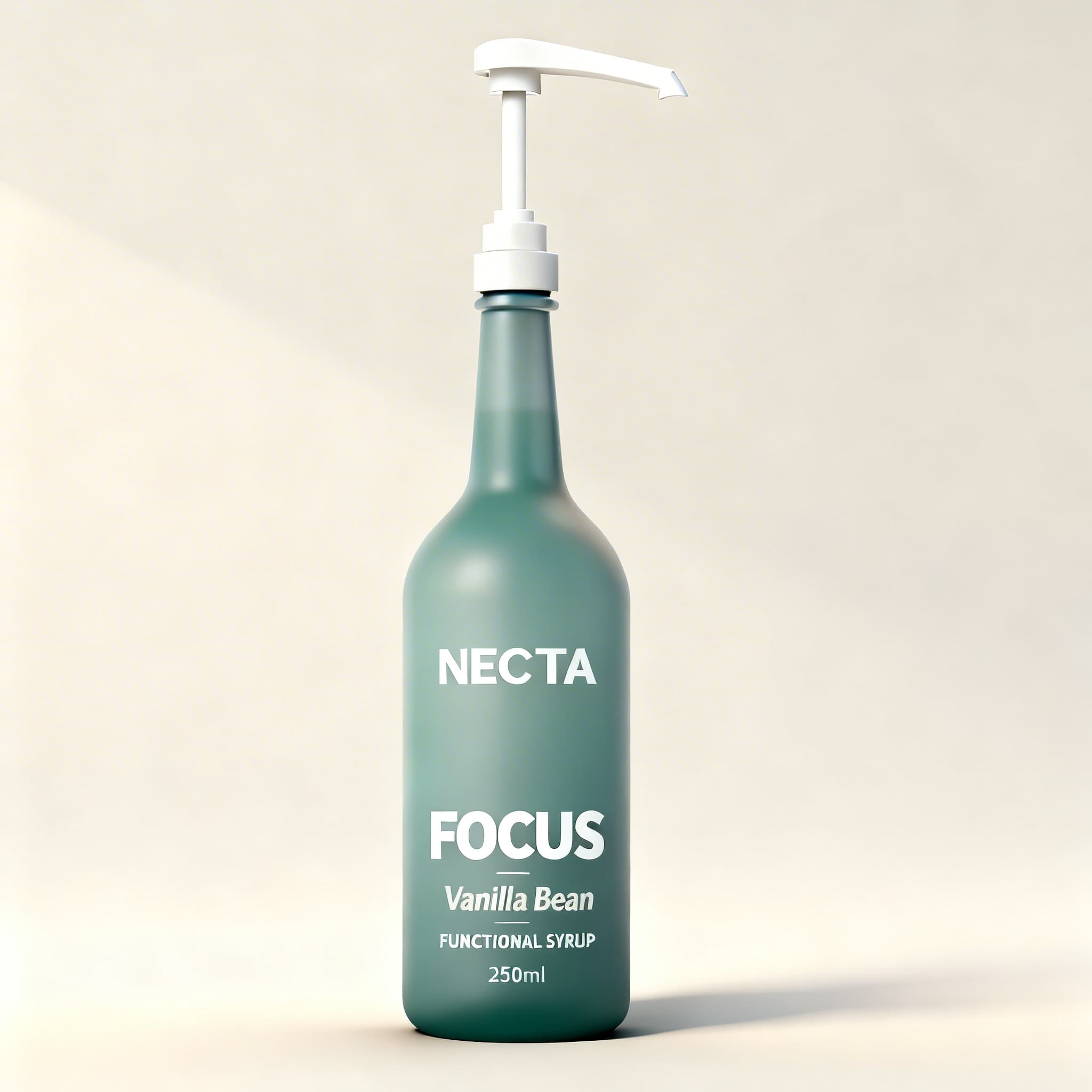
NECTA Labs was built around a specific frustration with how the UK adaptogen market works. The formulation philosophy is simple: look at what the clinical research uses, use that extract at that dose, and be completely transparent about what's in every product. Named extracts, disclosed doses, organic ingredients, third-party tested.
The format is liquid — because powder adaptogens have an adherence problem that is bad enough to undermine any quality formulation. And sachets as well as pump bottles, because a supplement routine that only works at home isn't a real routine.
The result is an adaptogen supplement that costs more than the underdosed capsule alternatives — and is less expensive per effective dose, because you're not taking three servings to get one dose of what works.
Bottom Line
The best adaptogen brand in the UK is the one that names its extracts, discloses individual doses at clinical amounts, provides third-party testing, and formats its products for real daily adherence. Those criteria eliminate most of the market. The ones that meet them are genuinely earning your money. See our guides on what adaptogens are, why most supplements don't work, and why liquid format matters.