Mushroom Coffee in the UK: Growing Fast, Variable Quality
Mushroom coffee has moved from a niche wellness trend to mainstream UK retail in the last 3 years. Brands like RYZE, Four Sigmatic, and several UK-specific brands now compete in a market that spans supermarkets, health food stores, and online. The interest is legitimate — functional mushrooms like Lion's Mane and Chaga have real clinical evidence. The problem is that most mushroom coffee products contain far too little mushroom extract to produce meaningful effects.
What Makes Good Mushroom Coffee
The benchmark: Lion's Mane clinical trials use 500mg–3g daily of fruiting body extract. If a mushroom coffee product doesn't disclose the mushroom extract dose per serving, assume it's below the effective threshold. Many products contain 50–200mg — potentially 10x less than clinical trial doses.
Key things to check:
- Mushroom type specified — "mushroom blend" without named species is a red flag
- Fruiting body source — not mycelium on grain
- Dose per serving — must be disclosed; minimum 250mg, ideally 500mg+
- Extraction method — extract, not raw powder
- Coffee quality — the coffee base matters too; quality arabica vs cheap commodity coffee affects taste significantly
What to Expect From Mushroom Coffee
If properly dosed and extracted:
- Immediate: Smoother caffeine curve than regular coffee, due to adaptogenic compounds buffering the cortisol spike. Some people notice less jitteriness from the first cup.
- 2–4 weeks: Subtle improvements in mental clarity and reduced afternoon energy crashes
- 8–16 weeks: Cognitive benefits of Lion's Mane becoming more established — better sustained focus, memory encoding, and reduced brain fog
Be realistic: mushroom coffee is not dramatically transformative in a week. It's a long-term daily ritual with cumulative benefit.
The Honest Alternative: Adding Mushroom Extract to Your Own Coffee
Pre-made mushroom coffee faces an inherent problem: it needs to taste good, be shelf-stable, and price-competitive with regular coffee. These constraints push manufacturers to use less (and cheaper) mushroom extract than what's needed clinically.
A more effective approach is to add a high-quality Lion's Mane infusion to your existing coffee. This separates the functional dose from the coffee format, allowing:
- Clinical doses of Lion's Mane (500mg+) with your existing preferred coffee
- Freedom to control your caffeine level independently
- Ability to add additional adaptogens (L-theanine, Rhodiola) for a full nootropic stack
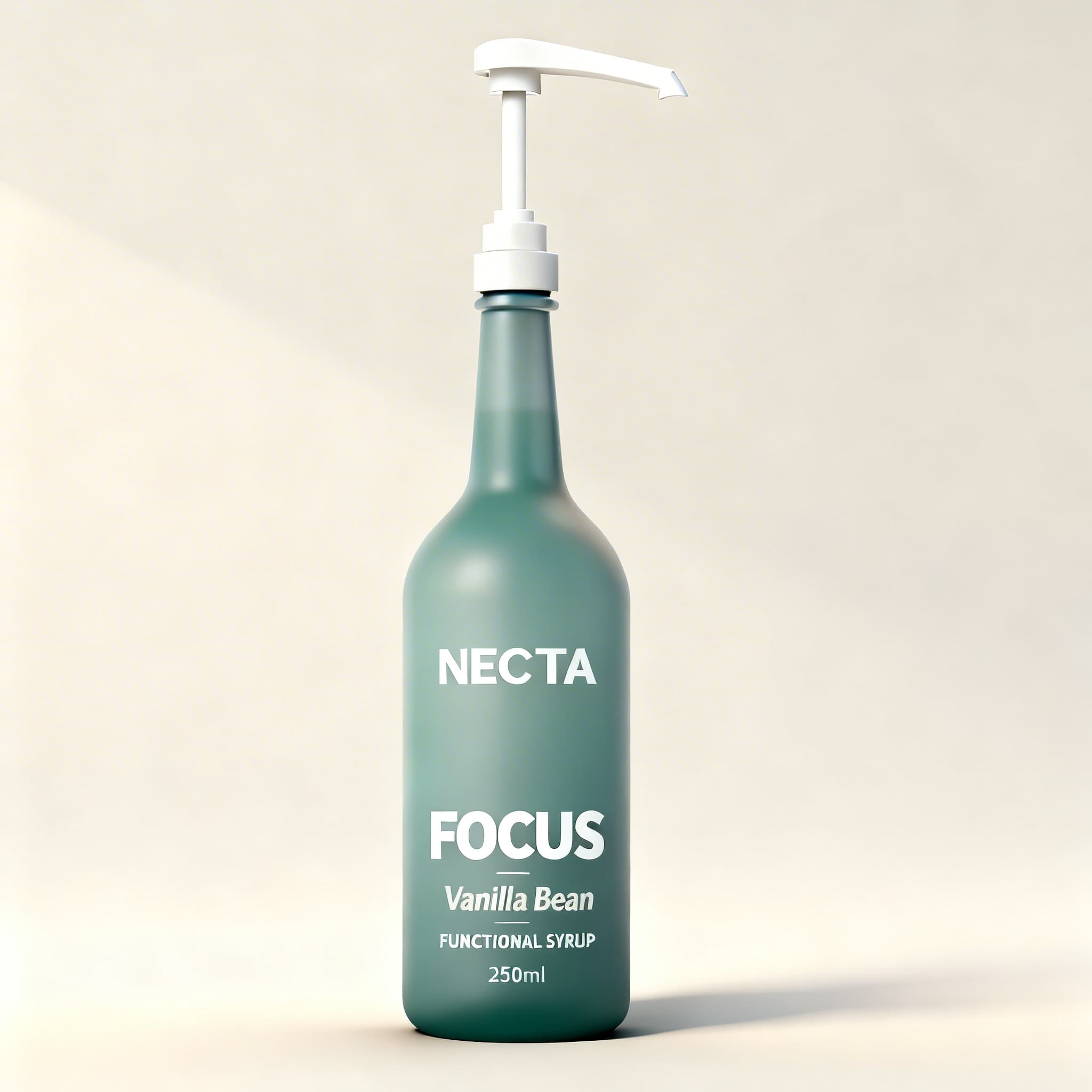
NECTA FOCUS is built on this principle — 500mg Lion's Mane, 80mg L-theanine, and 200mg Rhodiola in a pump bottle that adds to any hot or cold drink in seconds.
How to Evaluate a Mushroom Coffee Product
- Find the ingredient list — is the mushroom dose per serving stated?
- Is it fruiting body extract (not "mycelium" or generic "mushroom")?
- Is an extraction method or beta-glucan content listed?
- What does the coffee base cost to produce vs the retail price? Very cheap mushroom coffee almost certainly means very little mushroom.
- Are there any third-party lab tests available?
The UK Market Reality
Most UK mushroom coffees contain coffee + small amounts of mushroom powder primarily for marketing purposes. The few that do contain meaningful doses tend to be priced accordingly (£20–£35 for a month's supply) and clearly state fruiting body, extraction method, and dose.
The best approach for UK consumers is to treat mushroom coffee as a premium daily ritual that combines good coffee with clinical-dose functional mushrooms — not a novelty product that tastes slightly different from regular coffee.
Bottom Line
Mushroom coffee can genuinely work — but only if it contains adequate doses of quality mushroom extract. Most UK products fall short on this. Check the dose per serving (500mg+ Lion's Mane fruiting body extract), the extraction method, and whether the manufacturer discloses beta-glucan content. If in doubt, the most cost-effective approach is adding a quality Lion's Mane extract to your existing coffee ritual.