Important Context First
Supplements are not a treatment for anxiety disorders. If you experience significant anxiety that affects your daily life, please speak to your GP. What supplements can do — with clinical evidence — is support the physiological systems that underlie anxiety: cortisol regulation, neurotransmitter balance, and the nervous system's stress response. They work best as part of a broader approach that includes lifestyle and, where appropriate, therapy.
1. Ashwagandha KSM-66 — Strongest Evidence
Ashwagandha is the most clinically validated adaptogen for anxiety. The KSM-66 extract (standardised to 5% withanolides, full-spectrum root) has been tested in multiple double-blind, placebo-controlled trials specifically measuring anxiety outcomes.
Key studies:
- Chandrasekhar et al. (2012) — 300mg KSM-66 twice daily for 60 days produced a 44% reduction in perceived stress scores (PSS) and significant reductions in serum cortisol compared to placebo
- Pratte et al. (2014) — 300mg twice daily for 8 weeks significantly reduced anxiety on the Hamilton Anxiety Rating Scale
- Langade et al. (2019) — 240mg daily for 60 days significantly reduced anxiety scores on multiple validated measures
Ashwagandha works by modulating the HPA axis (your body's cortisol-production system), reducing cortisol, and improving GABAergic signalling — the calming neurotransmitter system targeted by benzodiazepines (though via a much gentler mechanism).
Dose: 300mg KSM-66 twice daily, or 500mg once daily. Effects typically build over 4–8 weeks.
2. Magnesium Glycinate — For the Physiological Substrate
Magnesium deficiency is directly associated with anxiety symptoms. Magnesium regulates NMDA receptors (which when overactivated contribute to anxiety and excitotoxicity), supports GABA activity, and reduces adrenaline and noradrenaline release. It is estimated that 70%+ of UK adults have inadequate magnesium intake.
A 2017 systematic review in Nutrients found that magnesium supplementation significantly reduced mild-to-moderate anxiety in multiple studies. The effect is most pronounced in people who are deficient.
Dose: 200–400mg magnesium glycinate daily. Take with or after food.
3. L-Theanine — Fast-Acting Calm
L-theanine promotes alpha brain wave activity — the same mental state as relaxed alertness during meditation. It doesn't sedate; it reduces the cognitive overactivation and rumination that drives anxiety without impairing function.
A 2019 randomised controlled trial published in Nutrients found 200mg L-theanine significantly reduced stress responses and anxiety scores in healthy adults under acute stress. Effects are measurable within 30–60 minutes of ingestion.
Best for: Situational anxiety (presentations, social situations, flying), racing thoughts at night
Dose: 100–200mg as needed or daily. No dependency risk.
4. Lemon Balm — GABAergic Support
Lemon balm (Melissa officinalis) inhibits GABA transaminase — the enzyme that breaks down GABA — effectively increasing available GABA in the brain. Low GABA is strongly associated with anxiety disorders. A 2014 study found 600mg lemon balm extract significantly reduced anxiety symptoms in adults experiencing stress-induced anxiety over 15 days.
5. Rhodiola Rosea — For Anxiety Driven by Burnout
When anxiety is driven by mental exhaustion, overwork, and burnout — rather than pure anxiety disorder — Rhodiola rosea is particularly relevant. It improves stress resilience and reduces cortisol without sedation. A 2009 open study in adults with stress-related burnout found significant improvements in anxiety, fatigue, exhaustion, and cognitive function over 12 weeks.
6. Vitamin B6 and B Complex
B6 is a cofactor in GABA synthesis — the primary calming neurotransmitter. A 2022 randomised controlled trial from the University of Reading found that high-dose B6 (100mg/day) significantly reduced anxiety and depression scores compared to placebo. B complex supplementation more broadly supports the nervous system under stress.
What Doesn't Have Good Evidence for Anxiety
- CBD — promising signals in some trials but evidence is not yet robust enough for confident recommendation
- GABA supplements — GABA doesn't cross the blood-brain barrier well from oral supplementation
- Passionflower — some evidence but small studies
- Kava — moderate evidence for generalised anxiety but significant liver toxicity concerns
The Most Evidence-Backed Anxiety Stack
For most people with stress and anxiety that isn't a clinical disorder:
- Ashwagandha KSM-66 (300mg morning and evening)
- Magnesium glycinate (200–400mg daily)
- L-theanine (200mg as needed)
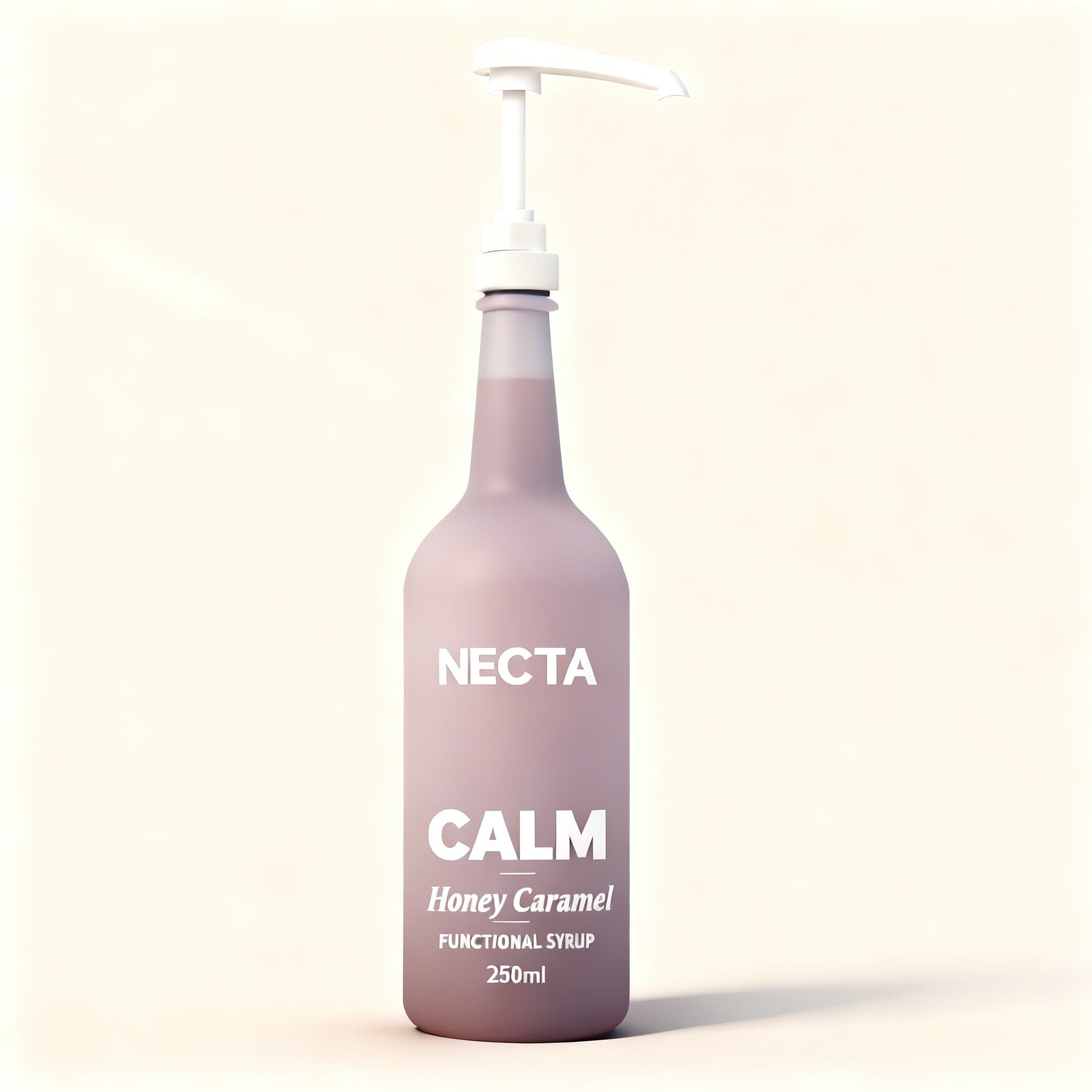
NECTA CALM contains ashwagandha and L-theanine at clinical doses — the core of this stack in one daily serving.
Bottom Line
The supplements with the best evidence for anxiety support are ashwagandha KSM-66, magnesium glycinate, and L-theanine. They address different mechanisms — cortisol regulation, GABAergic signalling, and neural calm — and work synergistically. Results build over 4–8 weeks for ashwagandha; L-theanine is faster-acting for acute situations. Always speak to a GP if anxiety is significantly affecting your life.