Why Standard Sleep Advice Often Fails
"Avoid screens before bed" is advice almost everyone has heard and almost no one consistently follows. Good sleep advice needs to be prioritised, evidence-ranked, and practical. This guide focuses on the interventions with the strongest clinical evidence — starting with the highest impact changes and working down.
Tier 1: Non-Negotiable Foundations
1. Fix Your Sleep Schedule First
Consistent sleep and wake times are the most powerful sleep intervention available. Your circadian rhythm — a 24-hour biological clock driven by light, temperature, and social cues — needs consistency to function well. Varying your sleep schedule by more than 90 minutes between weekdays and weekends creates "social jet lag" that degrades sleep quality, mood, and metabolic health.
Action: Pick a wake time and stick to it every day, including weekends. The wake time is more important than the bedtime — your body will adjust when it needs to sleep based on when it wakes.
2. Morning Light Exposure
Getting natural light (or a bright light therapy lamp in winter) within 30–60 minutes of waking is one of the most evidence-backed sleep interventions. Morning light resets the circadian clock, sets cortisol's natural morning peak (which gradually declines through the day, allowing melatonin to rise in the evening), and improves mood, alertness, and sleep quality that night.
10 minutes of direct outdoor light on a bright day, or 20–30 minutes on an overcast day, is sufficient. Through glass is ineffective — the UV filtration reduces light intensity by 50%+.
3. Cool Bedroom Temperature
Core body temperature needs to drop 1–2°C to initiate and maintain sleep. A bedroom temperature of 16–19°C (61–66°F) is optimal for most adults. Hot rooms significantly reduce deep sleep (N3) and REM sleep duration. A cooling mattress topper or open window can make a substantial difference — especially for people who run hot.
Tier 2: High-Impact Modifications
4. Caffeine Cut-Off Time
Caffeine has a half-life of approximately 5–7 hours. This means if you have a coffee at 3pm, 50% of that caffeine is still in your system at 8–10pm. Caffeine blocks adenosine receptors — the "sleep pressure" signal that builds throughout the day. High evening caffeine directly reduces deep sleep, even if it doesn't prevent you from falling asleep.
Most sleep researchers recommend stopping caffeine by 12–2pm. Individual sensitivity varies significantly — some people metabolise caffeine slowly (CYP1A2 slow metabolisers) and may need an earlier cut-off.
5. Alcohol: The Sleep Saboteur
Alcohol is sedating (hence helping people fall asleep) but it is profoundly sleep-disruptive in the second half of the night. It suppresses REM sleep, fragments sleep architecture, and causes rebound arousal as it's metabolised. Even moderate alcohol (2–3 units) reduces sleep quality measurably. This is one of the highest-impact sleep modifications available to drinkers.
6. Exercise Timing
Regular exercise improves sleep quality, reduces insomnia symptoms, and increases slow-wave (deep) sleep — with consistent effects across dozens of trials. Morning and afternoon exercise tend to be most beneficial. Vigorous exercise within 2 hours of bedtime can delay sleep onset in some people by raising core body temperature and adrenaline — though this varies considerably by individual.
Tier 3: Evening Optimisation
7. The "Wind-Down" Window
The 60–90 minutes before bed matters. Activities that reduce physiological arousal — gentle stretching, reading, a warm bath (the subsequent cooling triggers sleep onset), or journalling — prepare the nervous system for sleep. A warm bath 1–2 hours before bed has RCT evidence for improving sleep onset latency specifically via the thermoregulatory mechanism.
8. Screen Light: More Nuanced Than You Think
Blue light from screens does suppress melatonin — but the bigger issue is cognitive and emotional stimulation. The content of what you're consuming (social media, news, email) keeps the brain in an activated state that resists sleep. Dim, warm lighting in the evening (switching overhead lights to warm lamps after 8pm) is more realistic than total screen avoidance and meaningfully reduces melatonin suppression.
9. Address Racing Thoughts
For many people, the barrier to sleep isn't physiological — it's an overactive mind. The most evidence-backed approaches include:
- Cognitive shuffling — deliberately thinking of random, unrelated images (disrupts the linear narrative thinking that keeps you awake)
- Scheduled "worry time" — 15 minutes earlier in the evening to write down concerns, reducing bed-time rumination
- 4-7-8 breathing — inhale 4 seconds, hold 7, exhale 8. Activates parasympathetic nervous system within 2–3 cycles
- Cognitive Behavioural Therapy for Insomnia (CBTi) — the gold standard treatment for chronic insomnia, more effective than sleeping pills long-term. Available via Sleepio (NHS-approved digital CBTi programme)
Evidence-Backed Sleep Supplements
Once lifestyle foundations are in place, specific supplements can provide additional support:
- Magnesium glycinate (200–400mg) — improves sleep onset and efficiency via GABA receptor activation
- L-theanine (100–200mg) — promotes alpha brain waves, reduces the mental noise that prevents sleep onset
- Ashwagandha KSM-66 (300mg) — reduces stress-driven sleep disruption by lowering evening cortisol
- Montmorency cherry extract — natural melatonin source; useful for jet lag and circadian disruption
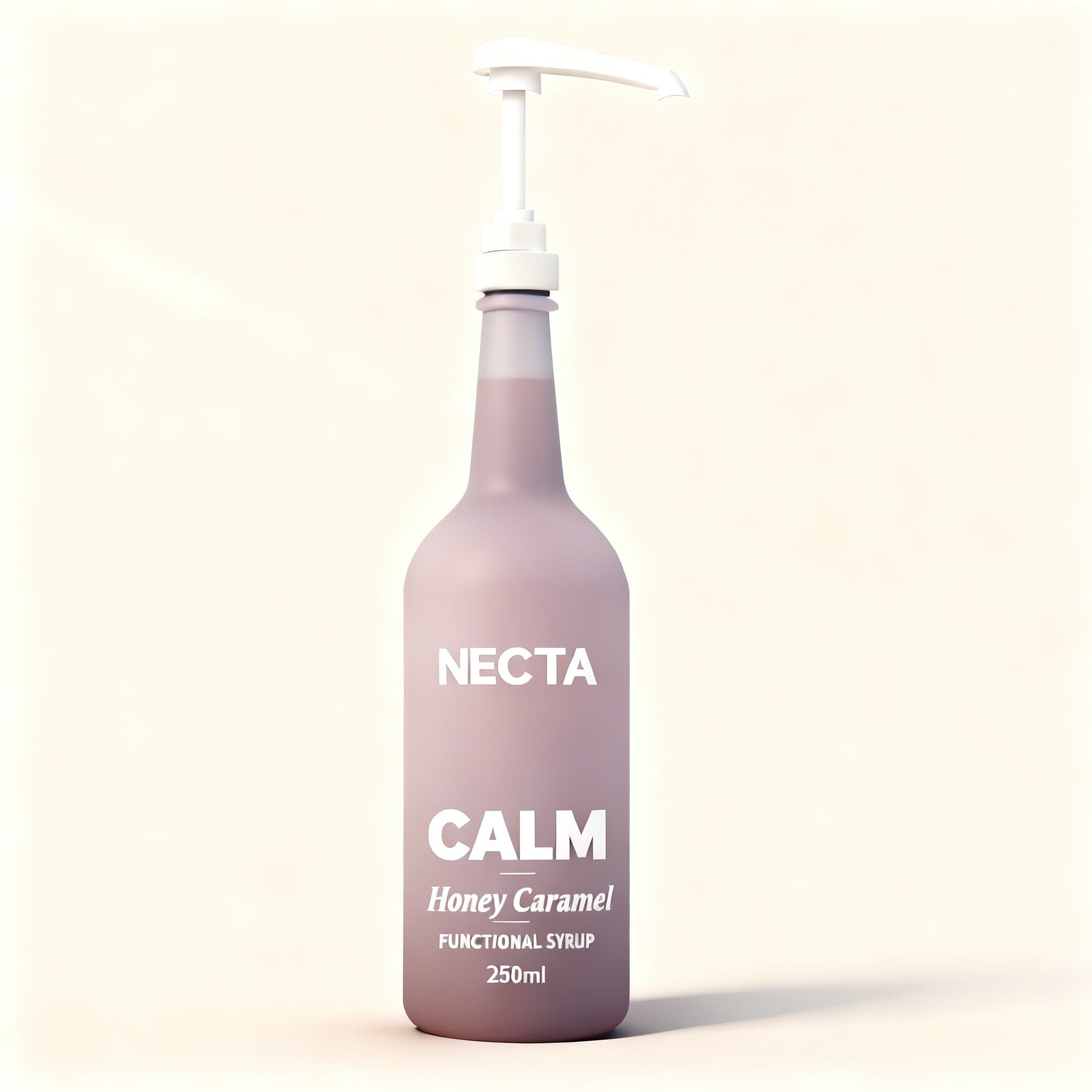
NECTA CALM combines ashwagandha and L-theanine at clinical doses — well-suited as an evening supplement for stress-driven sleep problems.
When to See a Doctor
If sleep problems are severe, persistent (more than 3 nights/week for more than 3 months), or significantly affecting daytime function, speak to your GP. Conditions including sleep apnoea, restless leg syndrome, and clinical insomnia require proper assessment. CBTi referral through your GP is the first-line recommended treatment for chronic insomnia in the UK.
Bottom Line
The highest-impact sleep interventions are: consistent wake time, morning light exposure, cool room, caffeine cut-off, and alcohol reduction. These are not glamorous but they work. Evening supplements (magnesium, L-theanine, ashwagandha) provide meaningful additional support once the foundations are in place. Chronic insomnia warrants CBTi or GP assessment — not more supplements.