Two of the UK's Most Popular Supplements
Lion's Mane and ashwagandha are both in the top 5 most searched supplement ingredients in the UK. They're often found on the same shelf, in the same morning routine, and increasingly in the same products. But they work through completely different mechanisms — which means understanding them together reveals something more useful than either one alone.
What Each One Does
Lion's Mane (Hericium erinaceus) is primarily a cognitive compound. Its active compounds (hericenones and erinacines) stimulate NGF (Nerve Growth Factor) and BDNF production — proteins that support neuroplasticity, neural growth, and long-term brain health. The effect is gradual and cumulative: better memory, clearer thinking, reduced brain fog over 4–16 weeks of consistent use.
Ashwagandha (Withania somnifera) is primarily a stress compound. Its withanolides work on the HPA axis — directly reducing cortisol production, modulating GABA receptors, and lowering the physiological and psychological experience of stress. Effects build over 2–8 weeks: less anxiety, better sleep, more resilience to stressful situations.
Why Stacking Them Makes Sense
The reason these two work well together is that they address a real and common problem from complementary angles:
Chronic stress is one of the biggest suppressors of cognitive function. When cortisol is elevated, the hippocampus (critical for memory and learning) is literally shrunk over time — cortisol promotes hippocampal atrophy at high chronic concentrations. BDNF production, which Lion's Mane supports, is also suppressed by chronic stress.
So the pairing works like this:
- Ashwagandha lowers cortisol → removes the brake on cognitive performance
- Lion's Mane boosts NGF/BDNF → actively builds cognitive capacity
- Together: you're removing the inhibitor and adding the enhancer simultaneously
Is It Safe to Take Both?
Yes. There are no known adverse interactions between lion's mane and ashwagandha. Both are well-tolerated individually, and no clinical evidence or mechanistic reasoning suggests they interact negatively. Multiple commercial products combine them specifically because of their complementary profiles.
How to Stack Them Effectively
Both compounds work cumulatively — give the stack 8–12 weeks before judging. Some guidance:
- Timing: Both can be taken in the morning. Lion's Mane has no stimulant effect. Ashwagandha can also be taken in the evening (particularly helpful for sleep quality).
- Doses: Lion's Mane at 500mg+, ashwagandha (KSM-66) at 300–600mg. Both need to be above minimum effective doses to have measurable impact.
- With or without food: Both are better tolerated with food. Ashwagandha in particular can cause nausea on an empty stomach at higher doses.
Adding L-Theanine: The Third Piece
If you're building a morning cognitive stack, adding L-Theanine (80–100mg) to the Lion's Mane + ashwagandha pairing adds a fast-acting anxiolytic and alpha wave booster that complements the slower-acting compounds. L-Theanine works within an hour; the others work over weeks. This means the stack has both immediate and long-term effects:
- Day 1: L-Theanine reduces anxiety and improves focus quality (especially alongside caffeine)
- Weeks 2–4: Ashwagandha reduces baseline cortisol, improving sleep and resilience
- Weeks 4–12: Lion's Mane builds cognitive clarity and long-term brain health
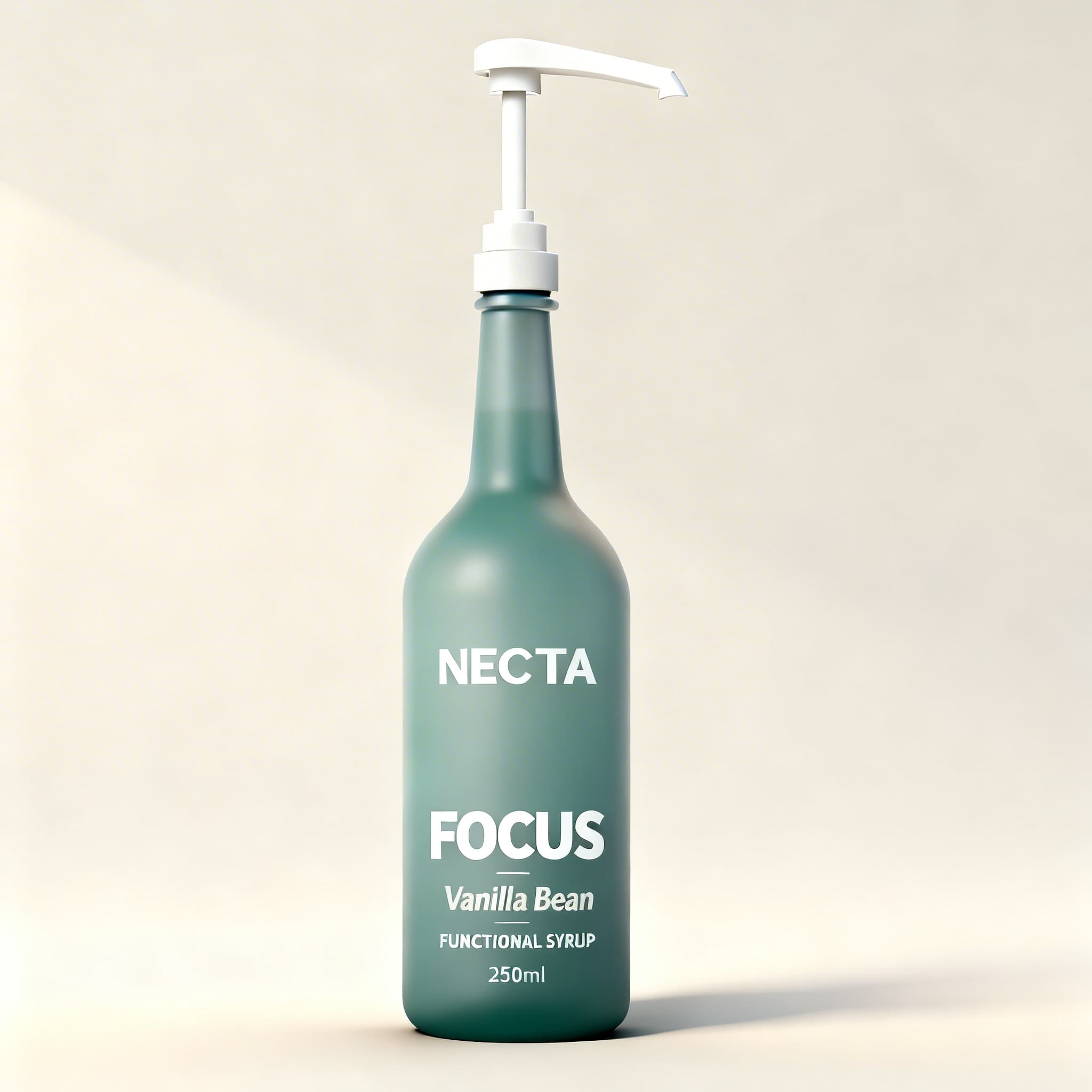
This is the rationale behind NECTA FOCUS — Lion's Mane, L-Theanine, and Rhodiola (which covers the acute mental performance angle that ashwagandha doesn't address directly).