Why Lion's Mane Has Exploded in the UK
Lion's Mane (Hericium erinaceus) has gone from obscure medicinal mushroom to mainstream supplement in the UK in the last 3 years. Driven by growing interest in nootropics, functional mushrooms, and brain health, it now appears in coffee blends, capsules, gummies, and functional drinks across health food shops and online retailers.
The interest is justified — Lion's Mane has more human clinical trial evidence behind it than almost any other nootropic supplement. But the market quality varies enormously, and understanding what separates effective products from ineffective ones will save you money and frustration.
What Makes a Quality Lion's Mane Product
Fruiting Body vs Mycelium
This is the single most important quality distinction in the Lion's Mane market. The mushroom has two main parts:
- Fruiting body — the actual mushroom. High in hericenones (the active compounds that stimulate NGF production). This is what clinical trials use.
- Mycelium on grain (MOG) — the root structure grown on a grain substrate. Much lower in active compounds. The majority of the dry weight is grain starch, not mushroom. Many cheap products use this.
Look for "fruiting body" clearly stated on the label. If a product just says "mycelium" or doesn't specify, it's likely MOG. Some products use vague terms like "whole mushroom" — always check whether fruiting body is explicitly stated.
Extraction Method
Unprocessed Lion's Mane powder has low bioavailability — the active compounds are trapped inside chitin (a tough fungal fibre the human gut cannot break down). Extraction is required:
- Hot water extraction — releases water-soluble beta-glucans and polysaccharides
- Dual extraction (hot water + alcohol) — also extracts alcohol-soluble hericenones and erinacines. This is the gold standard for maximum potency.
Look for "extract" on the label, not just "powder." The extraction ratio (e.g., 10:1) indicates concentration — a 10:1 extract means 10g of mushroom went into 1g of extract.
Beta-Glucan Content
The most reliable quality indicator. Beta-glucans (immune-active polysaccharides) should be at least 20–30% of the extract weight. Reputable brands test and display this figure. If it's not on the label, you can't verify potency.
Dose
Clinical trials use 500mg–3g of Lion's Mane extract daily. Sub-500mg products are likely underdosed for meaningful cognitive benefit. Many products in the UK — particularly gummies, blended drinks, and "nootropic" capsules — contain 50–250mg, which is insufficient.
Where to Buy Lion's Mane in the UK
What to Look For
- Clearly states fruiting body source
- Dual extract or hot water extract
- Beta-glucan % stated (minimum 20%)
- At least 500mg per serving
- Third-party testing certificate of analysis (CoA) available
- UK-registered or EU-registered brand with traceable sourcing
What to Avoid
- "Mushroom blend" products where Lion's Mane is one of 10 mushrooms and individual doses aren't disclosed
- Gummies (typically very low dose)
- Products without extraction method stated
- Very cheap products — quality fruiting body extract at clinical doses costs more to produce than cheap mycelium powder
NECTA FOCUS: Lion's Mane as an Infusion
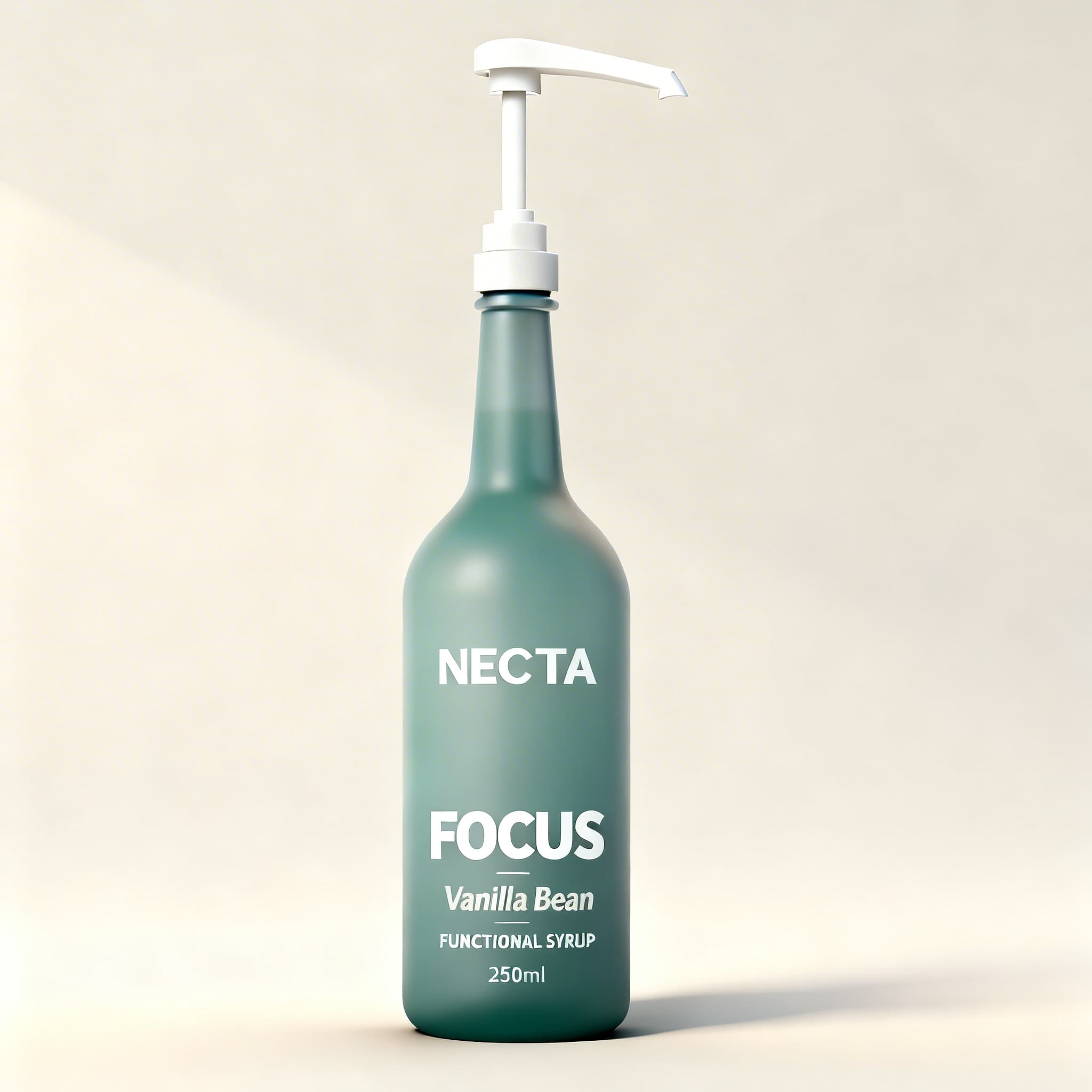
NECTA FOCUS delivers 500mg of Lion's Mane fruiting body extract per serving in a pump bottle format — added to your existing coffee, tea, or matcha. This approach allows Lion's Mane to be taken consistently as part of an existing daily ritual, paired with L-Theanine and Rhodiola for a comprehensive cognitive stack.
How to Take Lion's Mane
- Dose: 500mg–1g daily for cognitive support; up to 3g if targeting specific neurological support
- Timing: Morning is typical for cognitive benefits; time of day matters less than consistency
- With or without food: Either is fine — no meaningful absorption difference
- Duration: Give it at least 8 weeks before assessing cognitive impact; 16 weeks is ideal based on trial durations
- Cycling: Not necessary for most people — daily continuous use is how clinical trials are structured
Realistic Expectations
Lion's Mane is not a stimulant. You won't feel it acutely. The benefits are cumulative — improved mental clarity, reduced brain fog, and better sustained focus emerging over weeks and months of daily use. Most people notice something subtle in weeks 2–4; the more significant improvements in weeks 8–16.
It works best as part of a stack with L-theanine (for the immediate calm focus effect that many people associate with nootropics) and a lifestyle that supports the neuroplasticity it promotes — quality sleep, regular exercise, and adequate protein intake.
Bottom Line
Lion's Mane is one of the most evidence-backed nootropics available. The UK market has high quality variance — fruiting body, properly extracted, at 500mg+ is non-negotiable for clinical-grade benefit. Give it 8–16 weeks, pair with L-theanine, and integrate it into a consistent daily routine for best results.