A 2,000-Year Track Record
Reishi (Ganoderma lucidum) has been used in Chinese and Japanese medicine since at least the first century AD, where it was known as lingzhi — the "mushroom of immortality." It was historically so rare and prized that it appeared on imperial court art and was reserved for emperors.
Today, reishi is cultivated at scale and is one of the most extensively studied medicinal mushrooms in the world. Over 400 bioactive compounds have been identified, and the research base spans thousands of published studies.
Key Bioactive Compounds
Reishi's effects come primarily from two compound groups:
- Beta-glucans (polysaccharides) — primarily responsible for immune modulation. Beta-glucans bind to pattern recognition receptors on immune cells (particularly macrophages and natural killer cells), priming them for faster, more targeted responses.
- Triterpenes (ganoderic acids) — responsible for reishi's anti-inflammatory, adaptogenic, and mild anxiolytic effects. Also thought to contribute to its liver-protective properties.
The balance and concentration of these compounds varies significantly by growing conditions, extraction method, and which part of the mushroom is used. Fruiting body extracts contain higher concentrations of both compound classes than mycelium grown on grain substrates.
Immune Benefits: What the Research Shows
Reishi is perhaps best supported by evidence for its immune effects. Key findings:
- A 2006 randomised trial in cancer patients found reishi extract significantly increased natural killer cell activity and lymphocyte count after 12 weeks.
- Multiple trials have found reishi increases production of interleukins and tumour necrosis factor — cytokines critical for immune coordination.
- A meta-analysis published in the Cochrane Database of Systematic Reviews found positive effects on immune biomarkers across multiple studies.
Importantly, reishi is an immune modulator, not simply an immune stimulator. This means it helps bring an underactive immune system up — but also helps regulate an overactive one. This is relevant for people with autoimmune conditions (consult your doctor).
Stress and Adaptogenic Effects
Reishi's triterpenes have demonstrated adaptogenic activity — meaning they help the body maintain homeostasis under stress. Specific mechanisms include:
- Modulation of cortisol response via HPA axis regulation
- Mild GABAergic activity (reduces excitatory signalling)
- Anti-inflammatory effects in the central nervous system
A 2012 study in breast cancer survivors (a group with high stress burden) found significant reductions in fatigue and anxiety after 4 weeks of reishi supplementation.
Sleep Quality
Multiple studies suggest reishi may improve sleep quality, particularly in people with stress-related sleep disruption. A 2012 trial in rats showed reishi extract significantly increased non-REM sleep duration. Human studies have shown subjective improvements in sleep quality and reductions in time to sleep onset.
The likely mechanism is a combination of its GABAergic activity (promotes sleep initiation) and its stress-reducing effects (reduces the elevated cortisol that disrupts sleep architecture).
How Much Reishi Do You Actually Need?
This is where most commercial products fall short. Clinical studies typically use 1–3g of fruiting body extract per day. Many products contain 150–300mg — not enough to achieve the effects seen in trials.
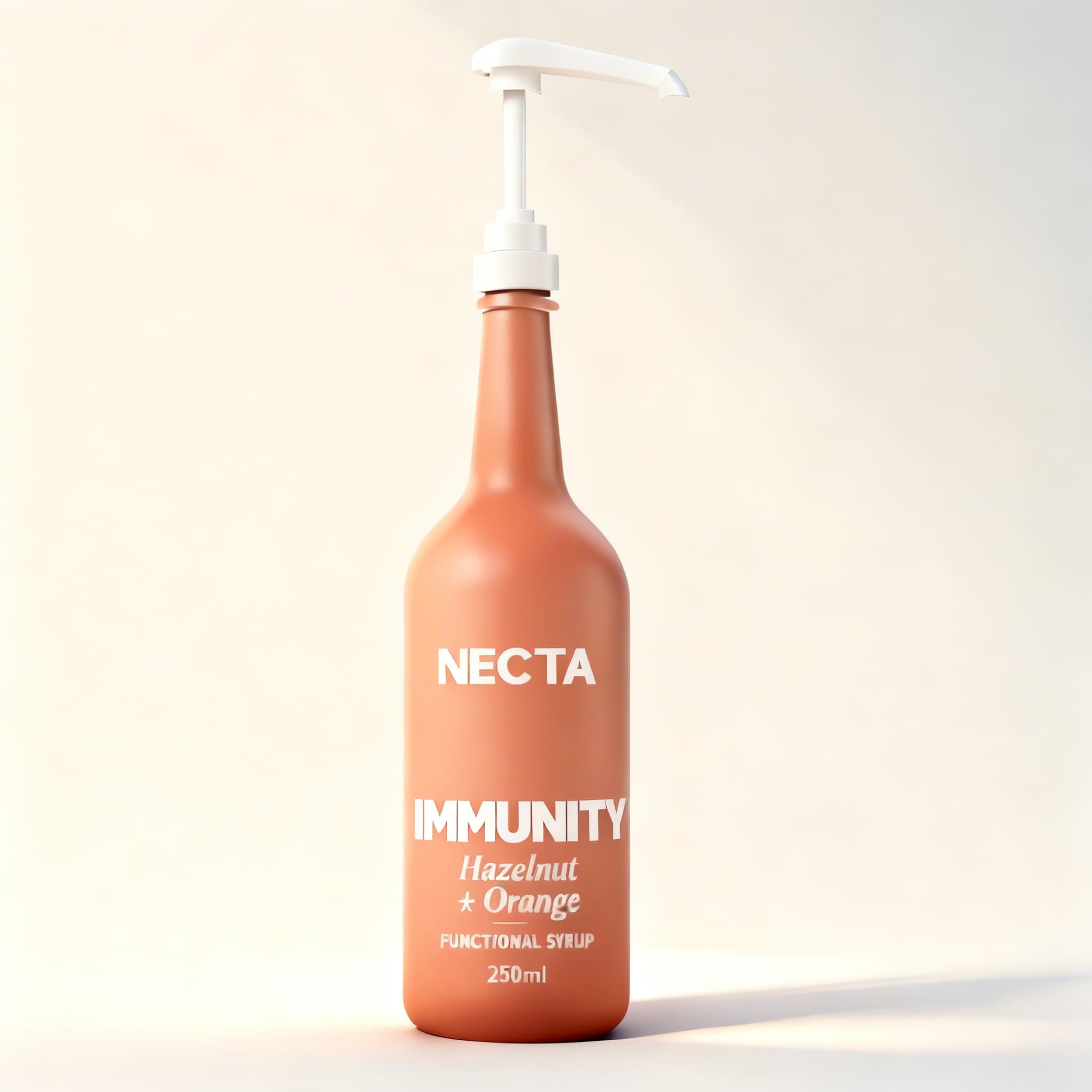
NECTA IMMUNITY contains 2g of reishi per serving — within the clinically studied range. This is paired with Elderberry 500mg (antioxidant immune support) and Ashwagandha 300mg (cortisol modulation), creating a comprehensive daily immune and resilience formula.
Safety and Interactions
Reishi is generally very well tolerated. Mild digestive upset can occur at high doses — starting with a lower dose and building up helps. Do not take reishi if you are on anticoagulant medication (blood thinners), as reishi has mild blood-thinning effects that may potentiate the drug's action. As with all supplements, consult a GP if pregnant, breastfeeding, or on prescription medication.