What Makes Matcha Different
Matcha is powdered green tea made from shade-grown Camellia sinensis leaves. Unlike standard green tea where you steep and discard the leaves, with matcha you consume the whole leaf — meaning you get a much higher concentration of the bioactive compounds that make green tea beneficial.
What makes matcha particularly interesting from a cognitive performance standpoint is the combination of two compounds: caffeine and L-theanine. This pairing is well-studied and produces a distinctly different mental state to coffee — focused and alert but without the jitteriness, anxiety spike, or crash.
Caffeine Without the Crash: The L-Theanine Effect
A standard serving of matcha (2g) contains roughly 60–70mg of caffeine. But it also contains approximately 30–35mg of L-theanine — an amino acid that modulates how caffeine is absorbed and metabolised.
L-theanine works by:
- Increasing alpha brain wave activity — associated with relaxed alertness (the same state as meditation)
- Reducing the anxiety-promoting effects of caffeine without reducing its stimulant effects
- Slowing caffeine absorption, producing a more gradual onset and longer-lasting effect
Multiple studies have confirmed the caffeine + L-theanine combination improves performance on tasks requiring sustained attention, working memory, and processing speed — more so than either compound alone. A 2008 study in Biological Psychology found the combination significantly improved speed and accuracy on a demanding cognitive task.
Matcha vs Coffee: The Honest Comparison
Coffee contains more caffeine (90–120mg per cup) but essentially no L-theanine. This produces faster onset, higher peak stimulation, and for many people — particularly those with anxiety — a less comfortable experience. The post-coffee cortisol spike and adenosine rebound contribute to the familiar mid-morning crash.
Matcha's caffeine profile is gentler and longer. Most people report energy lasting 4–6 hours without a pronounced crash. For people who are caffeine-sensitive, or who notice anxiety or heart palpitations from coffee, matcha is often better tolerated.
Antioxidant Content: EGCG
Matcha contains exceptionally high levels of EGCG (epigallocatechin gallate) — a catechin with potent antioxidant and anti-inflammatory effects. One study found matcha contains up to 137 times more EGCG than standard brewed green tea.
EGCG has been studied for:
- Cardiovascular protection — reducing LDL oxidation and blood pressure
- Metabolic support — improving insulin sensitivity and fat oxidation
- Neuroprotection — reducing amyloid aggregation in preclinical models
- Immune modulation — antiviral and anti-bacterial properties in vitro
Matcha for Weight Management
The combination of EGCG and caffeine has been studied for its effect on thermogenesis and fat oxidation. A 1999 study in the American Journal of Clinical Nutrition found that green tea extract (matched for caffeine) increased 24-hour energy expenditure by 4% compared to caffeine alone — attributed to the synergistic effect of catechins. Effects are modest and shouldn't be overstated, but they're real.
How to Use Matcha
Ceremonial grade matcha (vs culinary grade) is recommended for drinking — it's made from younger leaves and has a sweeter, less bitter flavour. Whisk 2g into hot (not boiling — 70–80°C) water or plant milk with a bamboo whisk.
For cognitive benefits, 1–2 servings daily is sufficient. More than 3 servings may push caffeine to levels that disrupt sleep if consumed in the afternoon.
Stacking Matcha With Adaptogens
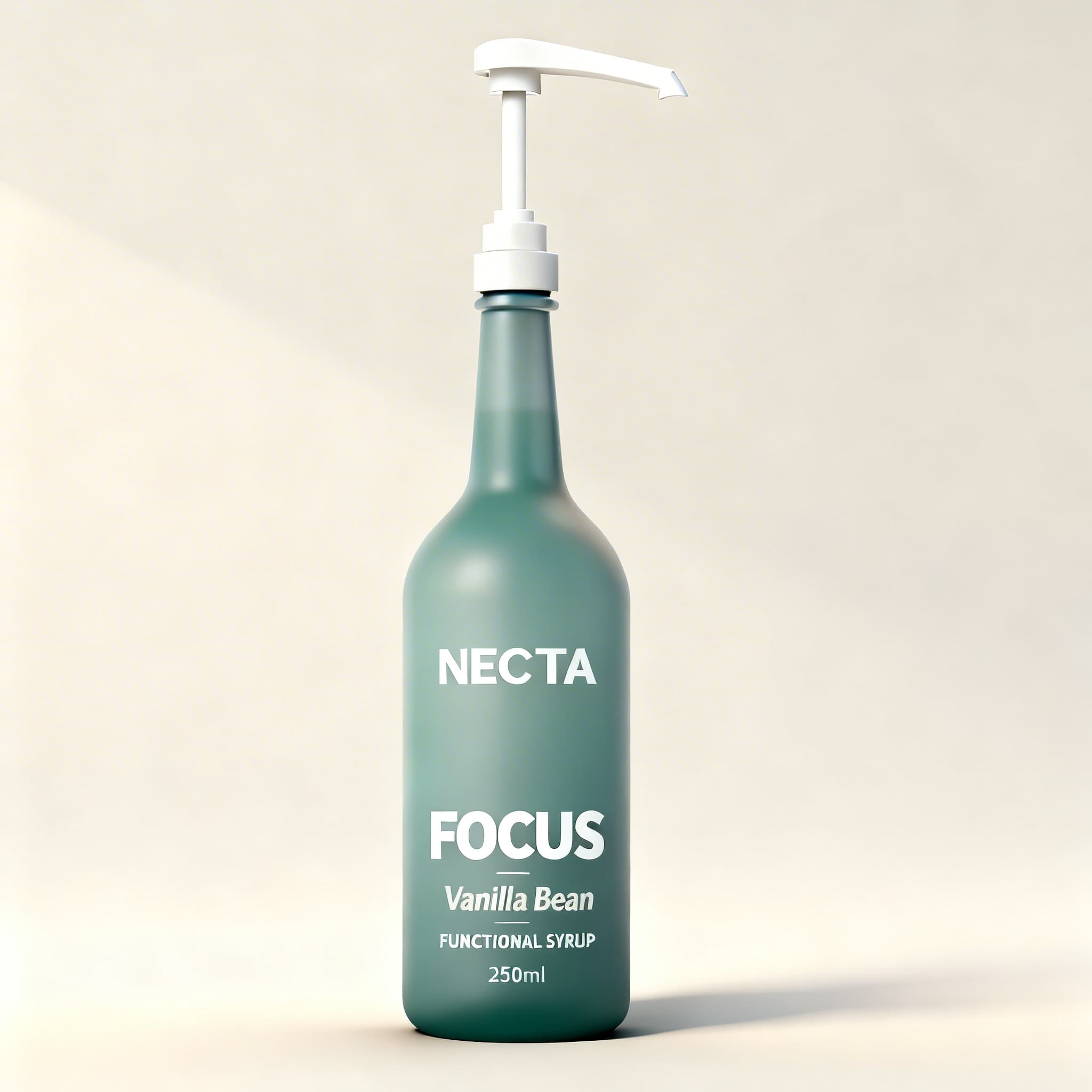
Matcha is an excellent base for functional supplementation. The L-theanine and caffeine create a focused mental state; add Lion's Mane for neuroplasticity support, Rhodiola for stress resilience, and ashwagandha for cortisol regulation — and you have a comprehensive cognitive and mood support stack. This is precisely the approach behind NECTA FOCUS, which delivers Lion's Mane, L-Theanine, and Rhodiola in a form that pairs seamlessly with your morning drink.
Bottom Line
Matcha is one of the most evidence-backed functional beverages available. The caffeine + L-theanine combination is well-proven to produce calmer, more sustained focus than coffee. The antioxidant content is genuinely impressive. For anyone sensitive to coffee, looking to reduce caffeine without losing mental sharpness, or wanting a cleaner morning energy source — matcha is an excellent choice.