Why Sleep Is the Highest-Leverage Health Intervention
Sleep is the foundation of everything — immune function, hormone regulation, memory consolidation, metabolic health, and emotional resilience all depend on consistent quality sleep. Yet UK surveys consistently show that 1 in 3 adults get less than 7 hours per night, and a third of the population reports regularly poor sleep quality.
Before reaching for supplements, the basics matter: consistent sleep and wake times, a dark, cool room, no screens for 30–60 minutes before bed, and limiting caffeine after 2pm. Supplements work best on top of good sleep hygiene — not as a substitute for it.
1. Magnesium Glycinate — Best Overall
Magnesium is involved in over 300 biochemical processes in the body, including those that regulate the GABA receptors associated with sleep onset and relaxation. An estimated 70% of UK adults are deficient or insufficient in magnesium — not surprising given that soil depletion has reduced magnesium levels in food over the past 50 years.
Multiple studies have found magnesium supplementation improves:
- Sleep onset latency (time to fall asleep)
- Sleep efficiency (proportion of time in bed actually sleeping)
- Subjective sleep quality scores
- Early morning awakening — particularly in older adults
Form matters: Magnesium glycinate (or bisglycinate) is the most bioavailable and gentle form for sleep. Magnesium oxide (the cheapest and most common form) is poorly absorbed and primarily works as a laxative. Magnesium L-threonate is specifically studied for cognitive benefits and crosses the blood-brain barrier more effectively.
Dose: 200–400mg elemental magnesium glycinate, 30–60 minutes before bed.
2. Ashwagandha (KSM-66) — Best for Stress-Driven Sleep Problems
If poor sleep is driven by an overactive mind, elevated cortisol, or chronic stress — ashwagandha is particularly relevant. Its cortisol-lowering effects translate directly into improved sleep architecture.
A 2019 randomised, double-blind, placebo-controlled study found that 300mg KSM-66 ashwagandha twice daily for 10 weeks significantly improved sleep quality, sleep onset latency, sleep efficiency, wake time after sleep onset, and morning alertness. The study used the Pittsburgh Sleep Quality Index (PSQI) to measure outcomes.
A 2020 study using 120mg of a concentrated ashwagandha extract found similar improvements over 6 weeks, particularly in sleep onset and quality.
Best for: People who lie awake with racing thoughts, feel wired but tired, or have high stress levels
3. L-Theanine — Best for Winding Down
L-theanine, the amino acid found in green tea and matcha, promotes alpha brain wave activity — the relaxed-but-alert state associated with meditation and the transition into sleep. Unlike sedatives, it doesn't cause drowsiness directly; it reduces the mental noise that prevents sleep onset.
A 2019 study found 200mg L-theanine before bed improved sleep satisfaction, reduced sleep disturbance, and improved feelings of refreshment upon waking compared to placebo. It works particularly well for people who struggle to mentally "switch off" at night.
Dose: 100–200mg, 30 minutes before bed. Often combined with magnesium for synergistic effect.
4. Montmorency Cherry (Tart Cherry) — Best Natural Melatonin Source
Tart cherry is one of the most concentrated natural sources of melatonin — the hormone that regulates sleep-wake cycles. Unlike melatonin supplements (which are prescription-only in the UK), tart cherry juice and extracts are freely available and provide physiological rather than pharmacological doses of melatonin.
A 2012 randomised controlled trial found that 30ml of Montmorency cherry concentrate twice daily for 7 days significantly increased total sleep time and sleep efficiency. A 2014 study found it reduced insomnia severity index scores significantly vs placebo.
Best for: Jet lag, shift workers, or anyone with disrupted circadian rhythms
5. Lemon Balm — Underrated Calm
Lemon balm (Melissa officinalis) has been used for sleep and anxiety since the Middle Ages. Modern research has validated several mechanisms: it inhibits GABA transaminase (increasing available GABA, the calming neurotransmitter) and modulates serotonin receptors. A 2014 pilot study found 600mg of lemon balm extract significantly reduced anxiety and improved sleep in adults with stress-induced sleep disruption.
Supplements With Less Evidence (Buyer Beware)
- Valerian — mixed evidence; some trials positive, others no different from placebo
- 5-HTP — precursor to serotonin; some evidence but interactions with SSRIs make it unsuitable for many people
- CBD — emerging evidence for anxiety-related sleep disruption, but not robust enough for a strong recommendation yet
- Lavender (oral) — Silexan (a specific formulation) has some good RCT data; generic lavender capsules have much less
The Best Sleep Supplement Stack
For most people with stress-related sleep problems, the combination of:
- Magnesium glycinate (200–400mg)
- L-theanine (100–200mg)
- KSM-66 ashwagandha (300mg)
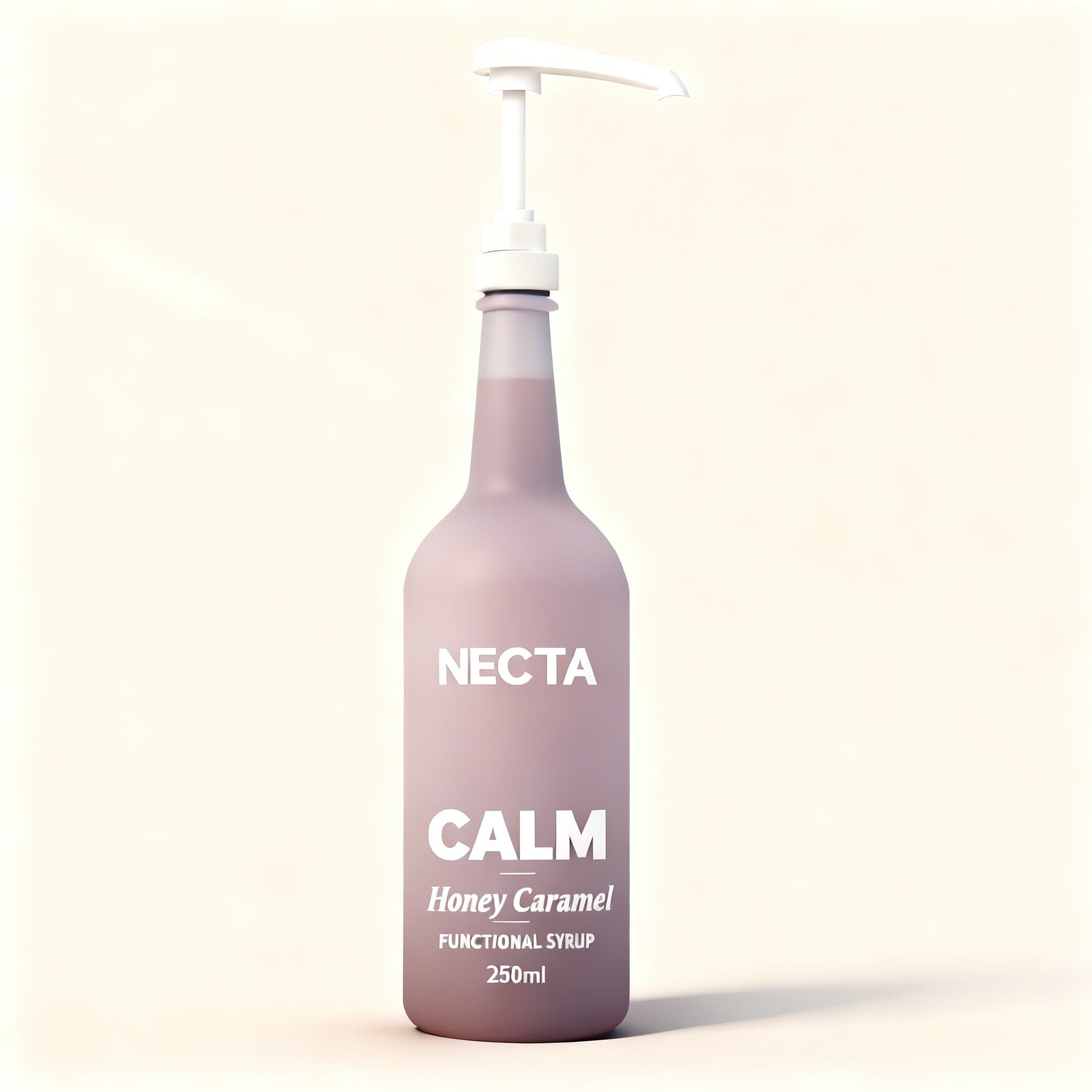
...taken 30–60 minutes before bed is the most evidence-supported approach available without a prescription. NECTA CALM contains ashwagandha and L-theanine in clinically relevant doses — a solid foundation for the stack above.
Bottom Line
The best sleep supplements are those with real clinical evidence behind them: magnesium glycinate, ashwagandha KSM-66, and L-theanine stand above the rest for most people. They work best as part of good sleep hygiene, not instead of it. Give any supplement at least 3–4 weeks before assessing impact — sleep quality improvements are often gradual rather than immediate.