Why Cortisol Is the Real Problem
Stress is not just a feeling — it's a hormonal state. The primary biochemical signature of chronic stress is elevated cortisol, the hormone released by the adrenal glands in response to HPA axis activation. Short-term cortisol spikes are healthy and adaptive. Chronically elevated cortisol — the kind caused by sustained work pressure, poor sleep, relationship stress, or overtraining — causes measurable physical damage:
- Hippocampal atrophy (the memory centre of the brain physically shrinks)
- Immune suppression (more colds, slower wound healing)
- Muscle breakdown and increased abdominal fat storage
- Sleep disruption (cortisol and melatonin are inversely related)
- Elevated blood pressure and cardiovascular risk
- Reduced testosterone and oestrogen production
Managing cortisol is therefore not just about feeling less stressed — it's about protecting long-term physical and cognitive health.
What the Evidence Shows: Supplements That Measurably Reduce Cortisol
1. Ashwagandha KSM-66 — The Gold Standard
Ashwagandha is the only supplement with multiple randomised, double-blind, placebo-controlled trials showing measurable reductions in serum cortisol in human subjects. This is the critical distinction — not just self-reported stress, but objective blood tests showing lower cortisol.
Key data:
- Chandrasekhar et al. (2012): 300mg KSM-66 twice daily for 60 days reduced serum cortisol by 27.9% compared to placebo (p<0.0001)
- Choudhary et al. (2017): 300mg twice daily for 8 weeks significantly reduced morning cortisol vs placebo
- Langade et al. (2019): 240mg daily significantly reduced cortisol and improved sleep quality
The mechanism: ashwagandha's withanolides modulate the HPA axis and inhibit enzymes involved in cortisol synthesis. Effects build over 4–8 weeks. KSM-66 specifically (full-spectrum root extract, standardised to 5% withanolides) is the best-studied form.
Dose: 300mg KSM-66 twice daily or 600mg once daily
2. Phosphatidylserine — The Cortisol Buffer
Phosphatidylserine (PS) is a phospholipid found in neuronal membranes. It's one of the few supplements with strong evidence for specifically blunting exercise-induced cortisol spikes. Multiple trials show:
- 400–800mg PS significantly reduced ACTH and cortisol response to physical stress
- Improved mood and reduced anxiety in healthy adults under stress
It's particularly relevant for athletes, heavy exercisers, or those with physically demanding jobs where cortisol chronically rises from training load.
Dose: 400mg/day for cortisol modulation
3. Magnesium — The Cortisol-Cortisol Feedback Loop
Cortisol depletes magnesium. Magnesium deficiency increases cortisol. This vicious cycle is common in chronically stressed people. Supplementing magnesium breaks the cycle — several studies show magnesium glycinate supplementation reduces urinary cortisol excretion and improves stress resilience. Given that 70%+ of UK adults have inadequate magnesium intake, this is high-leverage for most people.
4. Rhodiola Rosea — For Mental Stress Specifically
Rhodiola doesn't significantly reduce serum cortisol in most trials, but it modulates downstream stress effects by improving neurotransmitter availability under stress conditions. It reduces the impact of cortisol on mental performance — maintaining cognitive function and mood despite elevated stress load. A 2009 trial in burnout patients found significant improvements in stress, fatigue, exhaustion, and quality of life over 12 weeks.
5. Vitamin C — Adrenal Support
The adrenal glands have one of the highest concentrations of vitamin C in the body — it's used in the synthesis and regulation of cortisol and adrenaline. High-dose vitamin C (1–3g/day) has been shown in some studies to reduce cortisol response to acute stress (e.g., a 2001 trial found 1g vitamin C significantly blunted cortisol and blood pressure response to public speaking stress). As a generally safe, inexpensive supplement, it's worth including as part of an anti-stress protocol.
What Doesn't Work (Despite Claims)
- Generic "stress relief" blends with 15+ ingredients at 50mg each — no individual component reaches an effective dose
- Valerian — primarily sedative; doesn't address cortisol
- Generic B-complex — supports the nervous system but doesn't measurably reduce cortisol
- CBD — some anxiolytic effect in trials, but no robust evidence for cortisol reduction
The Practical Stack
For most people with chronic stress and suspected elevated cortisol:
- Ashwagandha KSM-66 (300–600mg daily) — the anchor
- Magnesium glycinate (200–400mg daily, especially before bed)
- Vitamin C (500mg–1g daily)
- Rhodiola rosea (200–400mg morning) — if mental fatigue is significant
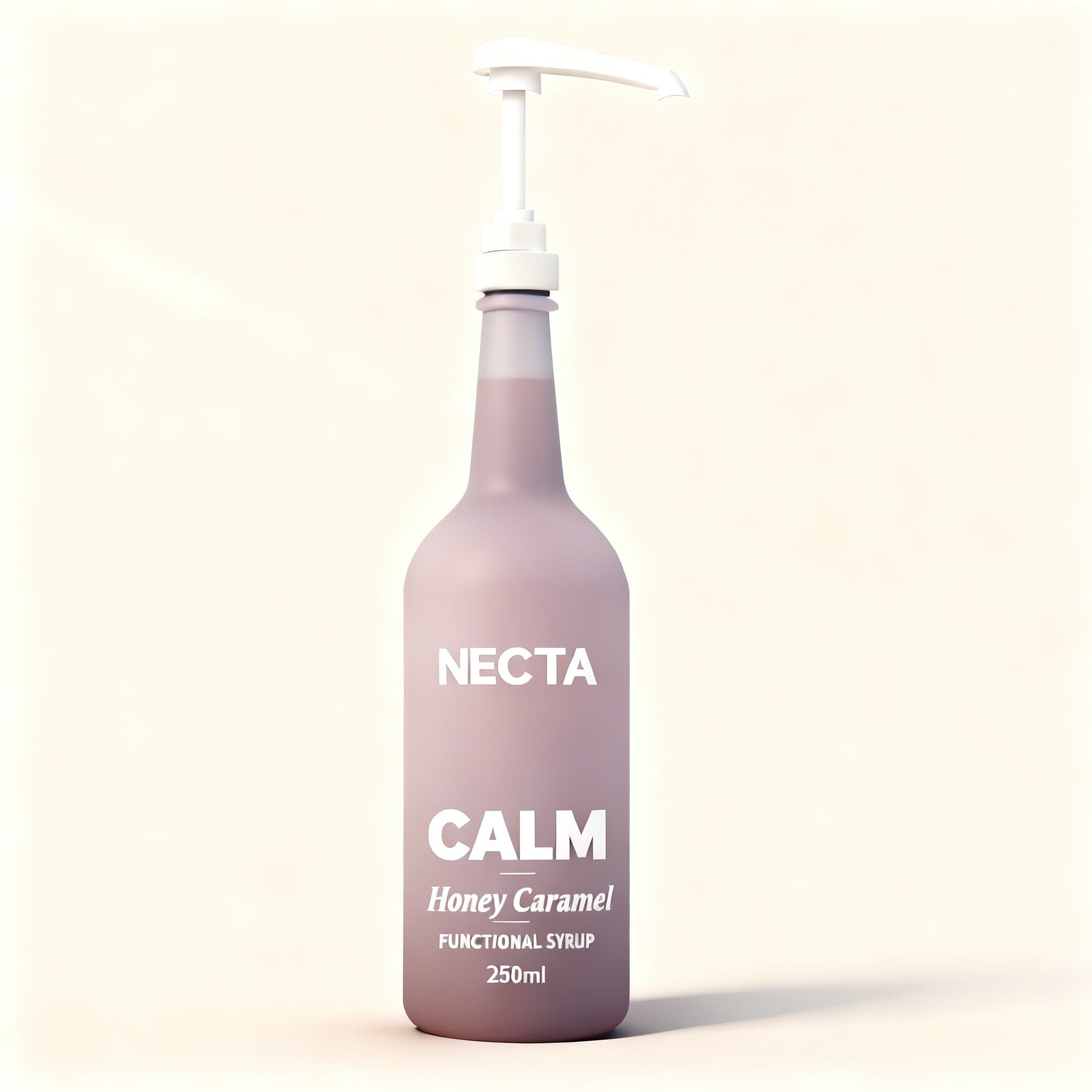
NECTA CALM contains ashwagandha at clinical dose — the highest-impact single ingredient in any stress-reduction supplement stack.
Bottom Line
Most stress supplements make claims they can't support. The ones that actually, measurably reduce cortisol in human trials are: ashwagandha KSM-66, phosphatidylserine, and (indirectly via feedback loop) magnesium. The others address downstream effects or support resilience without directly lowering cortisol. Use ashwagandha KSM-66 as the foundation — it has the strongest and most consistent human evidence of any natural cortisol-lowering supplement.