What "Work Performance" Actually Means Neurologically
A high-performing work day requires multiple cognitive capacities operating simultaneously: sustained attention (staying focused on one thing without being pulled away), working memory (holding information in mind while processing it), processing speed (making decisions quickly), stress resilience (maintaining performance under pressure), and executive function (prioritising, planning, inhibiting impulses). These are different systems, and they degrade at different rates under different conditions.
The best evidence-backed work performance supplements target multiple systems: addressing the alertness problem (L-theanine + caffeine), the stress degradation problem (adaptogens), and the long-term cognitive maintenance problem (lion's mane, bacopa). A single "productivity" supplement can't address all of these — but a well-designed stack can.
The Best-Evidenced Supplements for Work Performance
Caffeine + L-theanine — The Foundation
The most evidence-backed acute work performance combination available. Caffeine improves reaction time, vigilance, and working memory. L-theanine attenuates caffeine's anxiety-inducing and blood pressure-raising effects while independently increasing alpha brain wave activity (relaxed alertness). Multiple RCTs confirm the combination produces better sustained attention, task accuracy, and mood than caffeine alone. This is why adding L-theanine to your morning coffee isn't just wellness fashion — it's a genuinely effective cognitive intervention.
Dose: 80–200mg caffeine + 100–200mg L-theanine. Ideally a 2:1 ratio (200mg caffeine : 100mg L-theanine). See our L-theanine guide.
Rhodiola Rosea — Performance Under Pressure
The Shevtsov et al. (2003) trial gave physicians on night duty either rhodiola or placebo. The rhodiola group showed significantly better performance on tests of mental fatigue, including attention, short-term memory, calculation, and concentration speed. This is specifically the work performance scenario — sustained cognitive output under time pressure and fatigue. Rhodiola's rosavins inhibit the breakdown of dopamine, serotonin, and noradrenaline under stress, maintaining neurotransmitter availability when cognitive demands are highest.
Dose: 200–400mg standardised extract (3% rosavins, 1% salidroside). Morning. See our rhodiola guide.
Lion's Mane — Long-Term Cognitive Infrastructure
Lion's mane doesn't give you an acute productivity boost. What it does is build the neurological infrastructure that supports sustained cognitive performance over months: stimulating NGF and BDNF, supporting neuroplasticity, reducing neuroinflammation. Think of it as training vs performance — lion's mane is the training that makes your brain more resilient and efficient over time. Significant effects visible at 4–12 weeks of daily use.
Dose: 500mg–1g dual-extracted fruiting body, daily. See our lion's mane guide.
Ashwagandha — Stress Resilience
Work performance degrades under stress. Chronically elevated cortisol impairs prefrontal cortex function — exactly the brain region responsible for executive function, decision-making, and impulse control. Ashwagandha's consistent cortisol-lowering effects at 300–600mg KSM-66 daily mean better cognitive performance specifically on the days when work is most demanding. It addresses the main variable that typically destroys work performance at the worst moments.
Dose: 300–600mg KSM-66 daily. Morning. See our ashwagandha guide.
Bacopa Monnieri — Memory and Learning
For work that involves heavy information processing, frequent learning, or high working memory demands, bacopa monnieri has the strongest evidence base. Meta-analyses confirm significant improvements in memory free recall, working memory, and speed of memory consolidation after 8–12 weeks of daily use. Clinical dose: 300mg of an extract standardised to 45% bacosides. This is specifically the compound for knowledge workers who need to retain and process large amounts of information.
The Stack for Different Work Types
Creative and Strategic Work
Caffeine + L-theanine in the morning. Lion's mane daily. Rhodiola on high-pressure days. The alpha brainwave state that L-theanine produces is associated with the divergent thinking that creative work requires.
Detail-Oriented Focus Work
Caffeine + L-theanine for sustained attention. Bacopa for information retention. Rhodiola for fatigue resistance in long sessions. A focus block started after the caffeine + L-theanine combination has had 30–45 minutes to take effect.
High-Stress Leadership and Meetings
Ashwagandha daily for cortisol management. Rhodiola for acute stress performance. L-theanine to smooth out stress responses in real-time. The goal is maintaining executive function during the exact moments when stress would normally degrade it.
Practical Implementation: Getting It Into Your Work Day
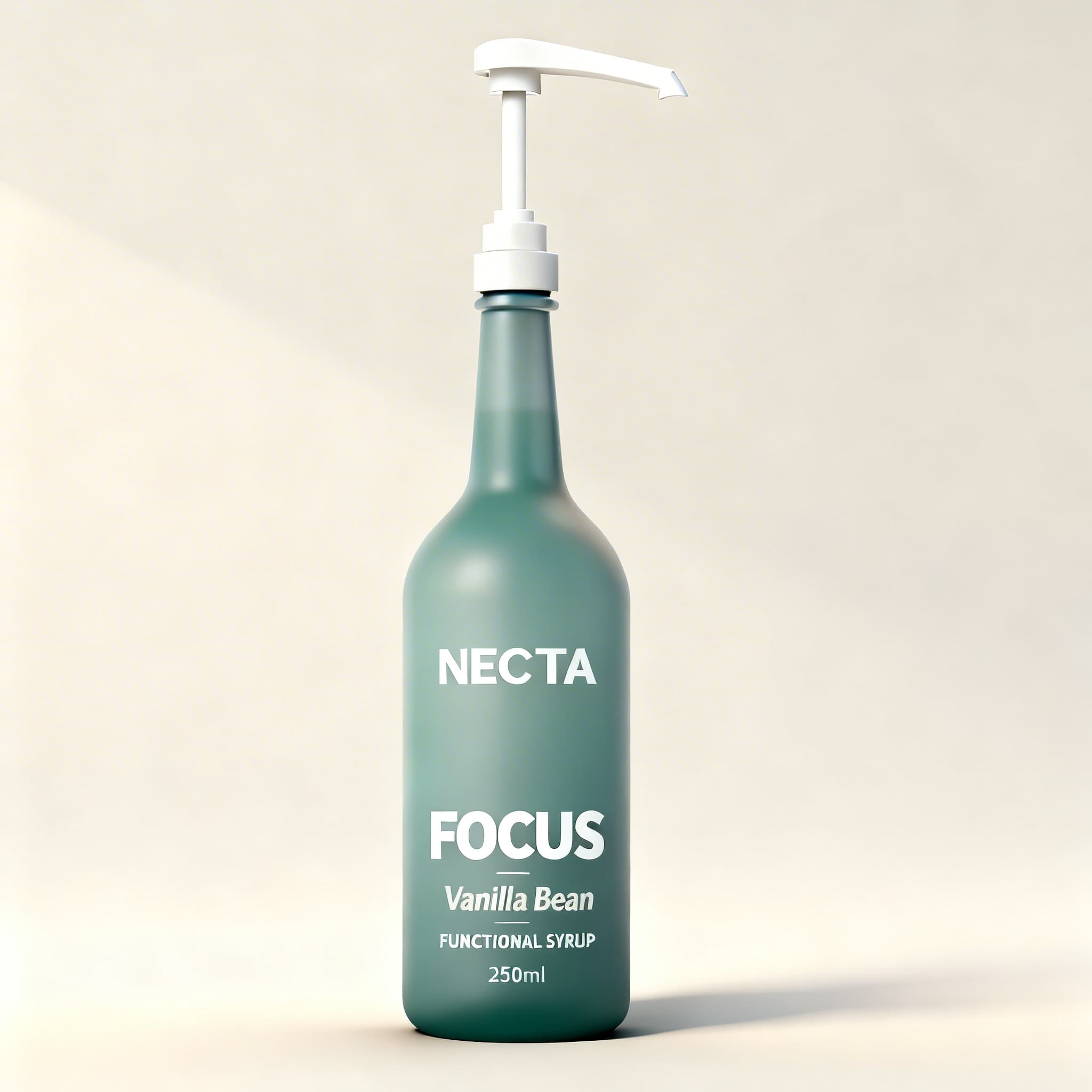
The biggest barrier to work performance supplements is remembering to take them. The simplest solution: make your adaptogen stack part of your morning coffee ritual, not a separate supplement step. A liquid concentrate with lion's mane, rhodiola, and L-theanine added to your morning brew covers three of the five key compounds in 5 seconds. Add ashwagandha to your morning routine, bacopa at lunch if desired.
A format that integrates into your existing work day habits is the format that actually improves your cognitive performance — because you'll take it consistently for the months required for the cumulative compounds to work. See our guides on best nootropics UK, brain fog supplements, and nootropics for studying.
Bottom Line
The most effective work performance stack combines acute support (caffeine + L-theanine, rhodiola) with long-term cognitive infrastructure (lion's mane, bacopa) and stress resilience (ashwagandha). The acute effects are noticeable within an hour. The cumulative effects, which are the more significant ones, require 8–12 weeks of consistent daily use. A liquid format integrated into your morning coffee routine is the most practical implementation for people who actually have demanding work days to get through.