The Real Reason Most People Fail at Supplements
It's not motivation. It's not money. It's logistics. You buy a month's supply of adaptogens. You use them at home for a week. Then you have a hectic Monday, you're rushing to work, the pump bottle is on the kitchen counter and you don't have time to faff with it. Then you travel for three days and leave it behind. Then you're back but it's the holiday weekend. Then another work trip.
By the time you're back in a proper routine, the bottle's still half full but the cumulative effect you were building over 6 weeks has reset. You start again. You drift again. You wonder why the adaptogens "didn't work."
Adaptogens require daily use. Consistently. For 4–12 weeks. The format that makes daily use possible wherever you are is the format that actually works. That's what sachets are for.
What Are Adaptogen Sachets?
Adaptogen sachets are single-serve, pre-measured portions of adaptogenic supplement — liquid concentrate, powder, or gel — packaged individually in sealed packets. One sachet = one complete serving. Tear, add to any drink or take directly. No measuring, no equipment, no commitment to a fixed location.
The format is simple. The implications for actually maintaining a supplement routine are significant.
The Lifestyle Case for Sachet Format
Morning Commute
You're on the tube or in your car. You've got a coffee from wherever. One sachet in your bag — tear, squeeze into the coffee, done. Your adaptogen routine survived a busy morning without you having to think about it. This is the scenario that ends most supplement habits — sachets make it a non-event.
At the Office
A pump bottle of liquid on your office desk is awkward. Capsule bottles left in office kitchens get lost or forgotten. A week's supply of sachets in your desk drawer takes up less space than a bag of crisps, requires no refrigeration, no equipment, and you can add one to whatever drink you make at your desk. Your colleagues won't even notice. Your cortisol levels will.
Gym Bag
Sachets go in a gym bag the way protein bars do — no thought required. A pre-workout adaptogen sachet (rhodiola for endurance, cordyceps for oxygen utilisation) mixed into water or a shaker is more effective than swallowing capsules in the changing room and easier than lugging a powder tub to the gym. See our cordyceps guide for why it's particularly useful pre-exercise.
Travel — Flights and Hotels
Liquid bottles over 100ml aren't allowed in aircraft carry-on luggage. A full supplement bottle checked in risks breaking, leaking, or getting confiscated. A week's supply of sachets goes in your hand luggage in a small ziplock bag. Airport security doesn't care. Hotel rooms don't need any special setup. Your adaptogen routine travels with you seamlessly — which matters because travel is usually one of the highest-stress periods where adaptogens are most useful.
Weekends Away, Festivals, Anything
If it fits in a pocket, it comes with you. A full supplement routine for a weekend away is three sachets in your phone pocket. No decisions, no packing anxiety, no "I'll just skip it while I'm away."
Why Sachets Specifically Beat Other Portable Formats
vs Capsules
Capsules are portable in the sense that a bottle of capsules is portable. But you need water to swallow them, they're fixed dose, and the experience of taking 4–6 capsules from a rattling bottle is not one that integrates quietly into a morning meeting or a commute. Sachets of liquid concentrate can be added to any drink and don't require the capsule-swallowing step that a surprising number of people find uncomfortable.
vs Powder Sachets
Powder sachets are better than powder tubs for portability, but the powder still needs to fully dissolve, still has graininess issues, and the texture problem travels with it. A liquid concentrate sachet has none of these issues — add to any drink, no stirring required, dissolves instantly.
vs Pump Bottles
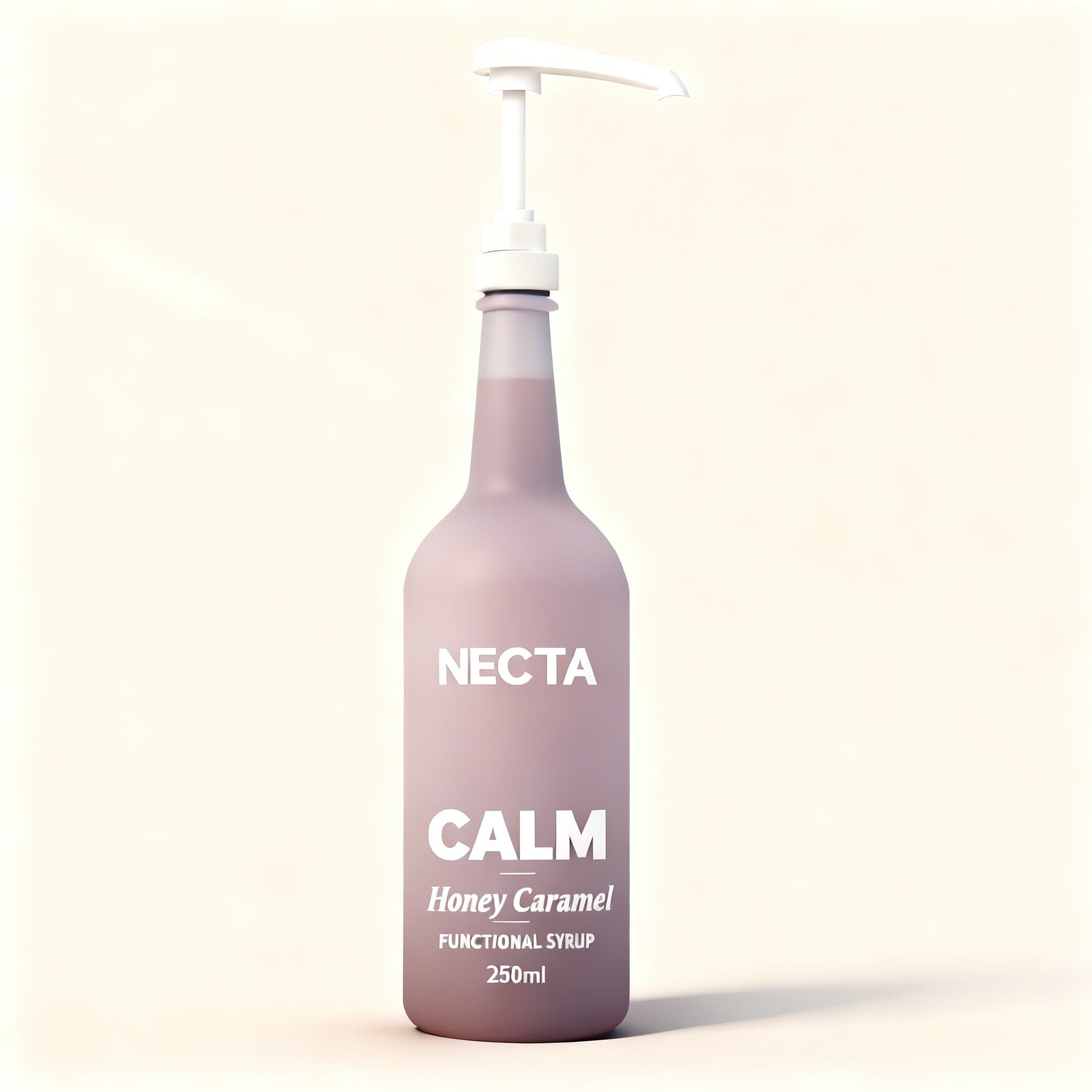
Pump bottles are excellent for home use — precise, fast, flexible dose. But they're not travelling anywhere. The sachet format exists specifically to cover the situation where a pump bottle can't go. Most committed adaptogen users use both: pump bottle at home for their daily routine, sachets for travel, work, and anything away from their base.
Pre-Measured Dosing: Why It Matters
Adaptogens are not "more is better" compounds. Clinical doses are specific: ashwagandha 300–600mg, rhodiola 200–400mg, lion's mane 500mg+. Above these doses, you're not getting more benefit — you're potentially wasting product and money. Below them, you're getting no effect. Sachets nail the dose exactly, every time. No guessing, no inconsistent scooping, no variation based on how well you remembered to level off the scoop.
Freshness: The Underrated Advantage
Every time you open a powder tub, oxygen and moisture enter. Every time you use a pump bottle, the remaining product is exposed to air. Over weeks, this degrades certain active compounds — particularly mushroom polyphenols and rhodiola rosavins, which are sensitive to oxidation. A sachet is hermetically sealed until you use it. The last sachet in a box is as fresh as the first.
What to Look for in Adaptogen Sachets
- Named, standardised extracts — "KSM-66 ashwagandha 300mg" not "ashwagandha 300mg." These are completely different things.
- Full dose disclosure — every active ingredient's amount listed per sachet. No proprietary blends.
- Clinical doses — ashwagandha 300–600mg, rhodiola 200–400mg, lion's mane 500mg+. A sachet with 50mg of lion's mane won't do anything.
- Third-party testing — especially for mushroom ingredients. Heavy metal certificates of analysis are non-negotiable.
- Liquid concentrate over powder — faster, cleaner, no texture issues, better absorption.
- Clean ingredients — no artificial sweeteners, synthetic preservatives, or filler ingredients.
Sachets by Goal
- Focus and clarity — lion's mane, rhodiola, L-theanine. Add to morning coffee. See our nootropics guide.
- Stress and calm — ashwagandha, reishi, L-theanine. Morning or evening. See our adaptogens for stress guide.
- Energy and performance — cordyceps, rhodiola. Pre-workout, 30 minutes before exercise. See our cordyceps guide.
- Immune support — turkey tail, chaga, reishi. Any time, daily. See our functional mushrooms guide.
Bottom Line
Sachets exist because real life doesn't happen in the same location as your kitchen counter. They're not a compromise on quality — a sachet of the same well-formulated liquid adaptogen concentrate delivers identical ingredients at identical doses whether you're at home or on a flight. What changes is that you actually take it, on the days it would otherwise not happen. For a supplement category where consistency over months is everything, that's not a nice-to-have. It's the whole point.