The Rise of Adaptogenic Drinks
Adaptogenic drinks — beverages infused with ashwagandha, lion's mane, reishi, rhodiola, and other stress-modulating botanicals — are one of the fastest-growing categories in the UK health and wellness market. The UK functional beverage market exceeded £400m in 2025 and is projected to grow at 12% annually. But the category is wildly uneven: some products deliver clinically meaningful doses of well-researched ingredients. Many more are essentially flavoured water with token "adaptogen dust" added for marketing purposes.
Here's how to tell the difference — and why it matters.
What Makes Something Adaptogenic?
An adaptogen is a natural substance that helps the body resist physical, chemical, and biological stressors without disrupting normal physiological functions. The term was coined by Soviet pharmacologist Nikolai Lazarev in 1947 and has been refined through decades of research. Clinically validated adaptogens include:
- Ashwagandha (KSM-66 or Sensoril) — reduces cortisol, improves stress resilience, supports sleep
- Rhodiola rosea — acute fatigue reduction, stress tolerance, mental performance under pressure
- Lion's Mane — nerve growth factor stimulation, cognitive support
- Reishi — immune modulation, sleep quality, stress relief
- Schisandra berry — liver support, endurance, stress-induced fatigue
- Eleuthero (Siberian ginseng) — physical endurance, immune support
- Holy basil (tulsi) — stress, blood sugar, inflammation
The key word is "clinically validated" — meaning real human trials at real doses, not lab studies or theoretical mechanisms. See our guide to adaptogens for the full science.
The Dose Problem in Adaptogenic Drinks
This is the single biggest issue in the adaptogenic drinks category. Clinical doses of adaptogens are:
- Ashwagandha: 300–600mg/day (KSM-66 standardised extract)
- Rhodiola: 200–400mg/day (standardised to 3% rosavins, 1% salidroside)
- Lion's Mane: 500mg–3g/day (fruiting body extract)
- Reishi: 1–5g/day (standardised extract)
Most adaptogenic canned drinks contain 50–100mg of a proprietary blend — often across multiple adaptogens. At those doses, physiological effects are implausible. The honest description for most is "adaptogen-flavoured water." Look for products that state individual ingredient doses explicitly and match clinical research doses — or at least come close.
What to Look for in an Adaptogenic Drink
- Named, standardised extracts — "KSM-66 ashwagandha" or "Rhodiola rosea 3% rosavins" not just "ashwagandha extract"
- Disclosed individual doses — not hidden in a proprietary blend
- Clinically relevant amounts — ideally ≥300mg ashwagandha, ≥200mg rhodiola per serving
- Third-party testing — especially important for mushroom-based products (some mushroom powders are high in heavy metals)
- No added sugar spike — high sugar content undermines any adaptogenic benefit
Types of Adaptogenic Drinks Available in the UK
Canned RTD (Ready-to-Drink)
Most are convenience products with low adaptogen doses. Good gateway products for people new to adaptogens. Best used in combination with a proper supplement for meaningful clinical effect.
Mushroom Coffee
Blends of coffee with functional mushroom extracts — usually Lion's Mane and Chaga. The caffeine + L-theanine from good mushroom coffees creates a clean focus effect, with the mushrooms adding adaptogenic and nootropic support. Quality varies enormously — see our guide to the best mushroom coffee UK.
Adaptogenic Syrups and Shots
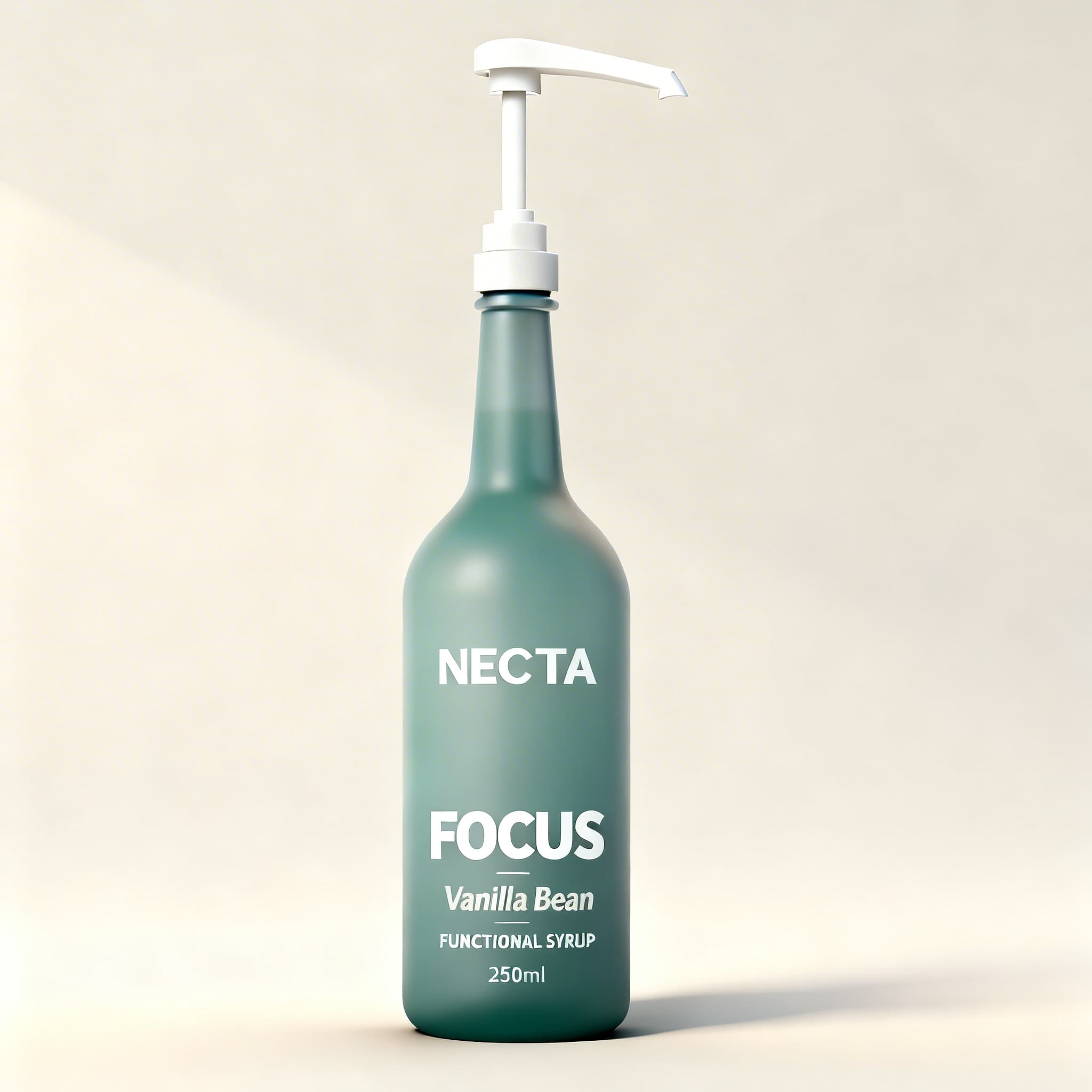
Concentrated formats that allow more meaningful dosing in a small volume. Often higher quality-to-cost ratio than canned RTDs. NECTA's approach — functional syrups with clinically-dosed ingredients — falls in this category.
Powder Blends
Mix-in powders (lattes, smoothie boosters) allow full control over dose and can be combined with your existing drink habits. Good for regular users who want flexibility.
Does the UK Have Good Adaptogenic Drink Options?
The UK market has improved significantly over 2024–2026. A handful of brands now offer genuinely well-formulated products with disclosed doses and standardised extracts. That said, the majority of the shelf space in health food stores and online is still occupied by underdosed, marketing-first products. Read ingredient labels carefully, ask for certificates of analysis, and prioritise brands that talk transparently about their doses and extraction methods.
Bottom Line
Adaptogenic drinks can be a genuinely enjoyable and effective way to get adaptogens into your daily routine — if the product actually delivers meaningful doses. Check for named standardised extracts, disclosed individual doses, and third-party testing. The best adaptogenic drinks work as part of a broader wellness strategy — not as magic in a can. But done right, they're a seamless, tasty way to support stress resilience and cognitive performance every day.