What Is a Nootropic Drink?
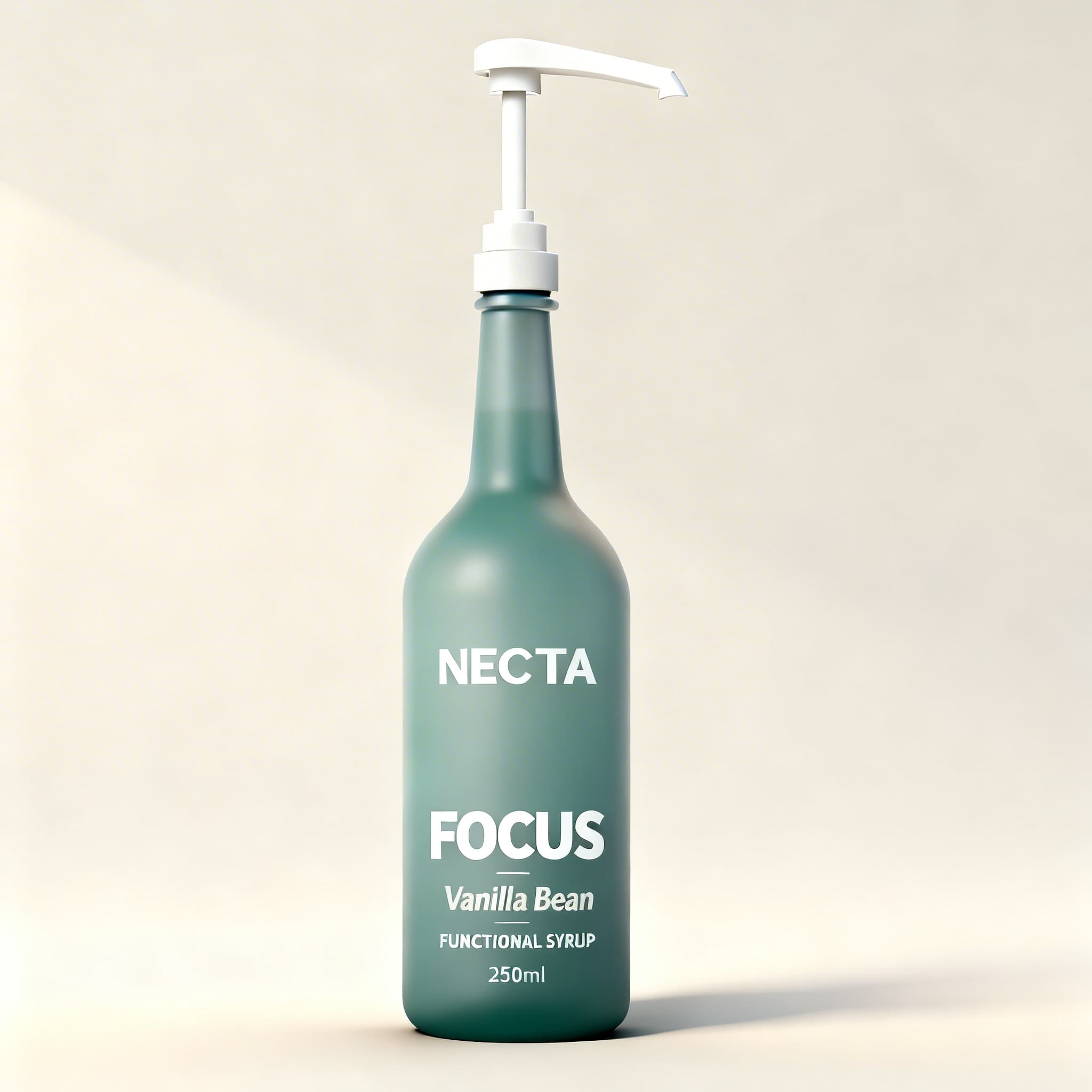
A nootropic drink is a beverage or liquid supplement formulated with cognitive-enhancing compounds — whether taken as a ready-to-drink functional beverage, a liquid concentrate added to coffee or water, or a syrup-format supplement. The "nootropic" category covers a wide range of compounds: from well-evidenced natural ingredients like lion's mane, L-theanine, rhodiola, and bacopa to synthetic racetams and smart drugs. In the UK supplement market, the term refers to natural, legal cognitive support compounds available without prescription.
Nootropic drinks have grown from a niche biohacking category to a mainstream supplement format in the UK over 2023–2026 — driven by growing awareness of cognitive health, brain fog concerns post-pandemic, and the growing evidence base for natural nootropic compounds. The category now ranges from high-quality, clinically-dosed functional supplements to essentially overpriced, underdosed flavoured water.
The Evidence Base for Liquid Nootropics
The most clinically supported nootropic compounds in liquid drink formats:
L-theanine
The amino acid found in tea. L-theanine produces dose-dependent increases in alpha brain wave activity — associated with a state of relaxed alertness. Multiple RCTs confirm that 100–200mg L-theanine improves sustained attention, reduces stress response, and when combined with caffeine, produces significantly better cognitive performance than caffeine alone. It works within 30–60 minutes, making it one of the few nootropics with acute (not just cumulative) effects. See our L-theanine guide.
Lion's Mane Mushroom
The most evidence-backed mushroom nootropic. Lion's mane hericenones and erinacines stimulate nerve growth factor (NGF) and brain-derived neurotrophic factor (BDNF) — proteins essential for neuron maintenance, new neural connection formation, and long-term cognitive health. Multiple RCTs show improvements in cognitive function, particularly in working memory, mental processing speed, and mood. Clinical dose: 500mg–3g of fruiting body extract daily. Effects build over 4–12 weeks. See our lion's mane evidence review.
Rhodiola Rosea
A well-researched adaptogen with particular effects on cognitive performance under stress and mental fatigue. Rhodiola's rosavins and salidrosides inhibit the breakdown of serotonin, dopamine, and noradrenaline — supporting mood, motivation, and mental endurance. Multiple RCTs show reduced mental fatigue, faster cognitive performance, and improved mood under stressful conditions. One of the faster-acting adaptogens — some effects within 2 weeks. Clinical dose: 200–400mg standardised extract (3% rosavins). See our rhodiola guide.
Bacopa Monnieri
An Ayurvedic herb with strong evidence for memory consolidation and learning. Meta-analyses of multiple RCTs confirm bacopa significantly improves memory speed and accuracy, with the strongest effects after 8–12 weeks of use. The bacoside compounds in bacopa are sensitive to extraction method — look for standardised extracts specifying 45% bacosides. Clinical dose: 300mg/day of standardised extract.
Caffeine
The world's most used and best-evidenced nootropic. At doses of 80–200mg, caffeine meaningfully improves reaction time, vigilance, short-term memory, and sustained attention. The combination of caffeine + L-theanine produces better cognitive outcomes than either alone — a genuine synergistic effect confirmed by multiple RCTs. Nearly all effective nootropic drinks contain caffeine or pair with caffeinated beverages.
Organic Nootropic Drinks: Why Organic Matters Here
Organic certification is particularly relevant for nootropic drinks for two reasons:
- Pesticide concentration in root herbs — adaptogenic roots like ashwagandha and rhodiola concentrate soil contaminants. Organically grown, third-party tested roots avoid synthetic pesticide residues that accumulate in the root system.
- Mushroom contamination risk — mushrooms are bioaccumulators, concentrating heavy metals from their substrate. Organic certification combined with third-party heavy metal testing (cadmium, lead, arsenic, mercury) is non-negotiable for mushroom-based nootropics.
An organic nootropic drink is not just a marketing badge — it's a quality signal for ingredient purity, particularly relevant for the concentrated doses used in effective nootropic supplements.
The Dose Problem in Nootropic Drinks
This is the defining issue in the nootropic drink category. Many ready-to-drink functional beverages are essentially marketing products — they contain trace amounts of nootropic ingredients (often 10–50mg of lion's mane, or unnamed "adaptogen extracts") that can't plausibly produce clinical effects. The effective doses from research are:
- L-theanine: 100–200mg per serving
- Lion's mane: 500mg–1g fruiting body extract per serving (minimum)
- Rhodiola: 200–400mg standardised extract per serving
- Bacopa: 300mg standardised extract (45% bacosides) per serving
Most canned nootropic drinks deliver 10–20% of these amounts. A functional syrup or liquid concentrate format can deliver the full clinical dose in 5–10ml — something a 330ml RTD can struggle to do economically. See our broader nootropics UK guide for full context.
Liquid vs Capsule Nootropics: Which Is Better?
Liquid nootropics have absorption speed advantages — active compounds reach the bloodstream faster when already dissolved. This matters more for fast-acting compounds like L-theanine and caffeine than for slow-building ones like lion's mane and bacopa. For daily long-term nootropic use, the most important variable is consistency — whichever format you'll reliably use every day is the better format for you. Liquid formats integrated into existing coffee or smoothie habits have excellent adherence rates.
How to Use a Nootropic Drink
- Morning cognitive routine — add a lion's mane and rhodiola concentrate to your morning coffee or matcha for sustained focus throughout the morning
- Pre-study or work session — L-theanine + caffeine combination 30–60 minutes before cognitive demands
- Pre-workout — rhodiola + cordyceps in a pre-exercise drink supports both physical and mental performance
- Midday top-up — a non-caffeinated nootropic drink (lion's mane, bacopa) for afternoon cognitive support without disrupting sleep
Bottom Line
Liquid nootropics are one of the most effective cognitive support strategies available — when the product contains real doses of well-evidenced compounds. L-theanine, lion's mane, rhodiola, and bacopa have genuine clinical evidence at the right doses. Organic certification matters for ingredient purity, particularly for mushroom and root ingredients. Ignore products that don't disclose individual ingredient doses. For the full nootropic landscape, see our guides on best nootropics UK, lion's mane, and nootropics for studying.