The Rise of Functional Supplement Subscriptions
Subscription-based functional supplement delivery has expanded dramatically in the UK over 2023–2026. The model makes sense: adaptogens and functional mushrooms work cumulatively — they need to be taken consistently for 4–12 weeks before their full effects manifest. A subscription removes the friction of remembering to reorder, typically reduces cost compared to one-off purchases, and ensures you never run out mid-routine.
But the subscription model has also enabled some questionable products to survive on subscription lock-in rather than product quality. Here's how to distinguish the good from the bad.
Types of Functional Supplement Subscriptions in the UK
Sachet Subscription Boxes
Monthly (or bi-monthly) delivery of single-serve sachets — adaptogen powders, liquid concentrates, or functional drink mixes. The best sachet subscriptions offer pre-formulated routines (morning focus, evening calm, daily immunity) with consistent high-quality ingredients. Portability and convenience are the main value proposition.
Functional Drink Subscriptions
Monthly delivery of ready-to-drink canned or bottled functional beverages — adaptogenic sodas, mushroom drinks, nootropic beverages. Most convenient format, but the dose limitations of RTD beverages mean ingredient amounts are often lower than what liquid concentrate or syrup subscriptions can deliver. Best as a habit gateway rather than a primary supplement strategy.
Liquid Concentrate Subscriptions
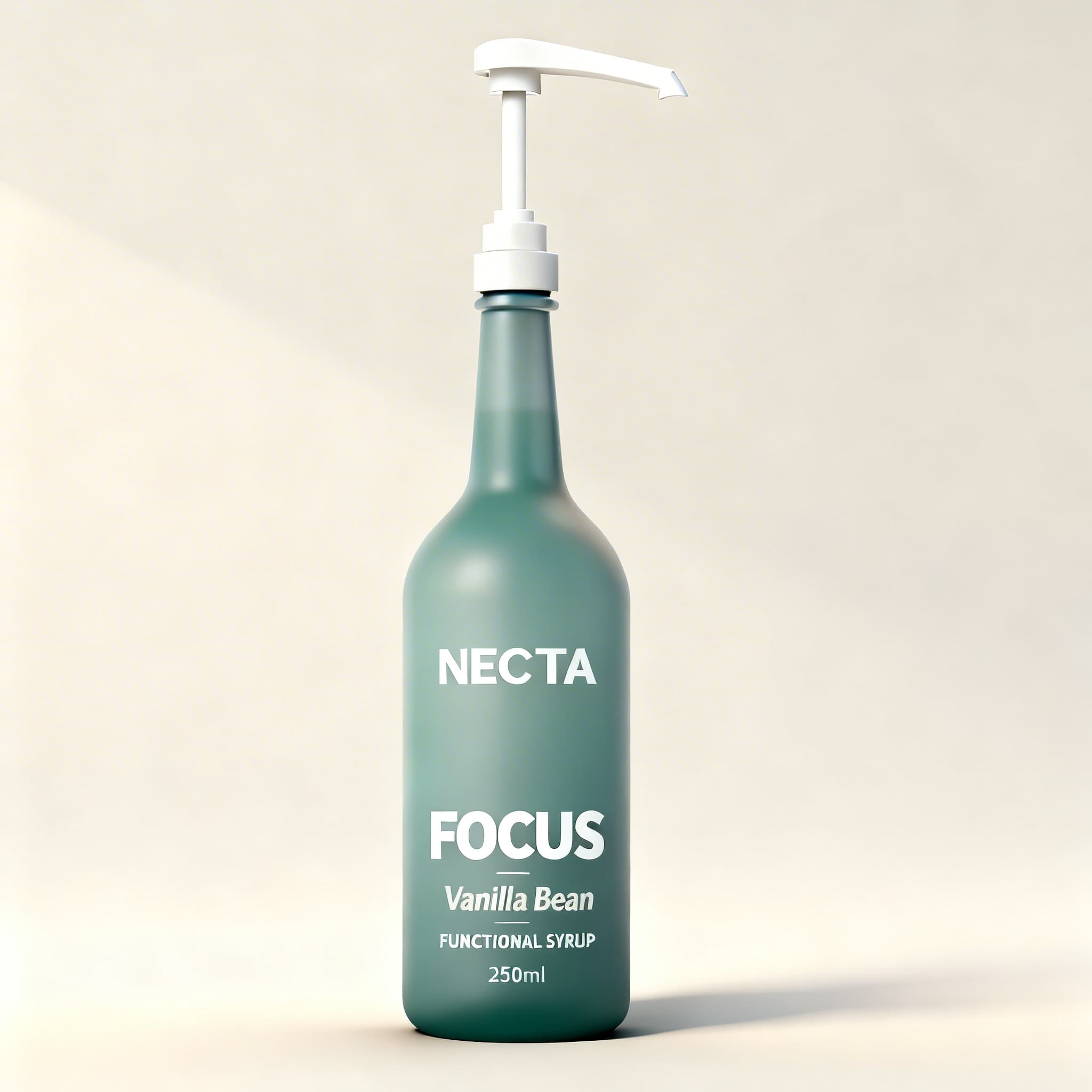
Monthly delivery of concentrated syrups, drops, or tinctures designed to be added to your existing drinks. Often the highest quality-to-cost ratio — more active ingredient per pound spent, and the versatility to integrate with your existing habits. Look for pump bottles or droppers for precision dosing.
Customised Stack Subscriptions
Some brands allow you to select your own stack — choosing specific adaptogen and nootropic products that are bundled and delivered monthly. More complex to navigate but allows tailoring to specific goals (focus, sleep, immunity, energy).
What Separates Good from Bad Functional Subscriptions
Ingredient Quality and Transparency
This is the most important criterion — and the easiest place to cut corners. A quality subscription uses named, standardised extracts (KSM-66 ashwagandha, rhodiola standardised to 3% rosavins, lion's mane fruiting body dual-extracted) with each ingredient's dose disclosed per serving. Avoid any subscription product that uses proprietary blends, unnamed "mushroom extract" or "adaptogen complex," or fails to list individual ingredient amounts.
Clinical Doses
Cross-reference what's in each subscription product against clinical research doses. If a "focus supplement" contains 50mg of lion's mane, it's not going to do anything — clinical trials use 500mg–3g of fruiting body extract. If the formula can't explain how it reaches effectiveness at the doses provided, it won't work regardless of how well-designed the packaging is.
Third-Party Testing
Every reputable functional supplement subscription should be able to provide certificates of analysis (CoAs) from independent laboratories confirming: potency (what's on the label is in the product), heavy metals (particularly important for mushroom and root ingredients), and absence of harmful microbial contamination.
Subscription Flexibility
Adaptogens work best when taken daily — but life changes. A good subscription allows: easy pause or skip (not just cancellation), flexible delivery frequency (monthly, bi-monthly, quarterly), and easy cancellation without a punitive process. Subscriptions that make cancellation difficult or obscure are a warning sign.
Value Vs One-Off Purchase
The subscription discount should reflect genuinely lower cost per serving, not just an artificial inflation of the one-off price to make the subscription look better. A fair subscription discount is 10–20% below the regular one-off price. Larger apparent discounts often indicate the "regular price" is inflated.
How Much Should a Quality Functional Supplement Subscription Cost?
UK pricing benchmarks for quality functional supplement subscriptions (as of 2026):
- Single-product adaptogen subscription (30 servings/month) — £25–£45/month for a quality product with clinical doses and standardised extracts
- Multi-adaptogen stack subscription — £50–£80/month for 3–4 products
- Sachet box subscription — £35–£60/month for 20–30 single-serve sachets
- Functional RTD subscription — £30–£50/month for 12–24 cans/bottles
Significantly cheaper products almost always compromise on ingredient quality or dose. Significantly more expensive ones often rely on premium branding rather than premium ingredients.
Building a Functional Supplement Routine Through Subscription
The most effective subscription strategy is built around your specific goals and existing daily habits:
- Focus and cognitive performance — lion's mane, rhodiola rosea, L-theanine, bacopa. Taken morning daily, consistently for 8+ weeks. See our nootropics guide.
- Stress and anxiety support — ashwagandha (KSM-66), reishi, L-theanine. Taken morning and/or evening. See our adaptogens for stress guide.
- Sleep quality — ashwagandha, reishi, magnesium glycinate. Taken 60 minutes before bed. See our sleep supplements guide.
- Immune resilience — turkey tail, chaga, reishi, vitamin D. Any time daily. See our functional mushrooms guide.
Bottom Line
A well-chosen functional supplement subscription is genuinely useful: it ensures consistent supply of a product you're committed to, reduces cost, and removes the reordering friction that causes most supplement routines to lapse. The subscription model only works in your favour if the underlying product is quality — which means standardised extracts, disclosed doses, clinical amounts, and third-party testing. Vet the product before committing to the subscription, not the other way round.