The Most Important Rule: Consistency Over Everything
If there's one thing to understand about how to take adaptogens, it's this: they are not event-based supplements. You don't take ashwagandha when you feel stressed the way you take a painkiller when you have a headache. Adaptogens work by gradually modulating your HPA axis, your cortisol rhythm, your neurotransmitter systems, your neuroplasticity. That modulation requires sustained daily exposure — typically 4–12 weeks of consistent use.
This is why most people who've "tried" adaptogens and felt nothing took them for 10 days, didn't notice an immediate transformation, and stopped. They didn't give the compounds the time they require. The clinical trials that demonstrate ashwagandha's cortisol-lowering effects run 60 days. The lion's mane cognitive improvement trial ran 16 weeks. You are not going to replicate those outcomes in 10 days.
Take adaptogens every day. At the same time. For at least 8 weeks before you evaluate.
Best Time to Take Each Adaptogen
Morning Adaptogens
- Rhodiola rosea — always morning. Has mild stimulating properties and can disrupt sleep if taken after midday. Best with or before breakfast. The cortisol-buffering effect is most useful earlier in the day when cortisol is naturally highest.
- L-theanine — morning with caffeine. This is its optimal use case: the caffeine + L-theanine combination is one of the best-evidenced acute cognitive stacks. Take it with your coffee.
- Ginseng (Panax) — morning only. Stimulating. Can cause insomnia if taken in the afternoon.
- Cordyceps — morning or pre-workout. Energising and VO2-max supporting; not an evening herb.
Flexible Adaptogens (Morning or Evening)
- Ashwagandha — works either time. Take in the morning if combining with a focus stack; take in the evening (30–60 minutes before bed) if your primary goal is sleep quality improvement. Consistency on timing matters more than which timing you choose.
- Lion's Mane — no stimulant effect, works any time. Morning is most convenient for routine consistency. See our lion's mane guide.
- Holy Basil (Tulsi) — any time. Mild, adaptable.
Evening Adaptogens
- Reishi — best in the evening. Its triterpenes support GABAergic activity and sleep quality. Warm drink 60 minutes before bed is the classic protocol. See our reishi guide.
- Chamomile — evening, before sleep.
- Lemon Balm — evening for relaxation support. See our lemon balm guide.
Should You Take Adaptogens With or Without Food?
General rule: most adaptogens are better tolerated with food. Ashwagandha specifically can cause nausea on an empty stomach in some people — taking it with a meal resolves this in the vast majority of cases. Lion's mane and reishi don't typically cause stomach issues but absorb well with food. L-theanine can be taken in coffee with no food and is well tolerated.
If adaptogens are integrated into your morning coffee or tea, you're likely consuming them alongside or shortly before food anyway, which is ideal.
How Long Do You Take Adaptogens?
Timeline expectations by compound:
- L-theanine: Acute effects within 30–60 minutes. Daily use compounds over time.
- Rhodiola: Some effects within 2 weeks (fatigue reduction). Full stress-resilience effects at 4–6 weeks.
- Ashwagandha: Meaningful cortisol and stress effects at 4 weeks. Peak effects at 8–12 weeks.
- Lion's Mane: Cognitive effects build over 4–16 weeks. The 2009 Mori trial ran 16 weeks for full cognitive improvement demonstration.
- Reishi: Sleep quality improvements can be noticed within 1–2 weeks. Immune and adaptogenic effects build over months.
Should You Cycle Adaptogens?
You'll often read about cycling adaptogens — taking them for 6–8 weeks and then taking a 1–2 week break. There's limited clinical evidence this is necessary for most adaptogens at standard doses. The cycling concept comes from pharmacology where tolerance is a genuine concern. For natural adaptogens like ashwagandha and lion's mane, tolerance doesn't appear to develop in clinical research — effects remain consistent with continued use.
That said, some practitioners recommend breaks for rhodiola (as it has some stimulant activity) and ginseng (same reason). If you want to cycle, a practical approach: 8 weeks on, 1 week off. This isn't required but won't hurt, and the break can also serve as a useful reference point — noting how you feel off them helps you appreciate how they work.
Can You Take Multiple Adaptogens Together?
Yes — most adaptogens are designed to be stacked, and many work synergistically. Common effective combinations:
- Lion's Mane + Rhodiola + L-theanine — the classic focus stack. Covers neuroplasticity, fatigue resistance, and calm alertness.
- Ashwagandha + Reishi + L-theanine — the calm/sleep stack. HPA axis regulation + nervous system down-regulation + mental quietening.
- Cordyceps + Rhodiola — energy and endurance. Pre-workout or morning.
Avoid stacking too many at once — using 6+ adaptogens simultaneously makes it impossible to know what's working and risks diluting individual doses below effective thresholds. See our adaptogens for stress guide and nootropics guide.
The Format Question: How Should You Actually Take Them?
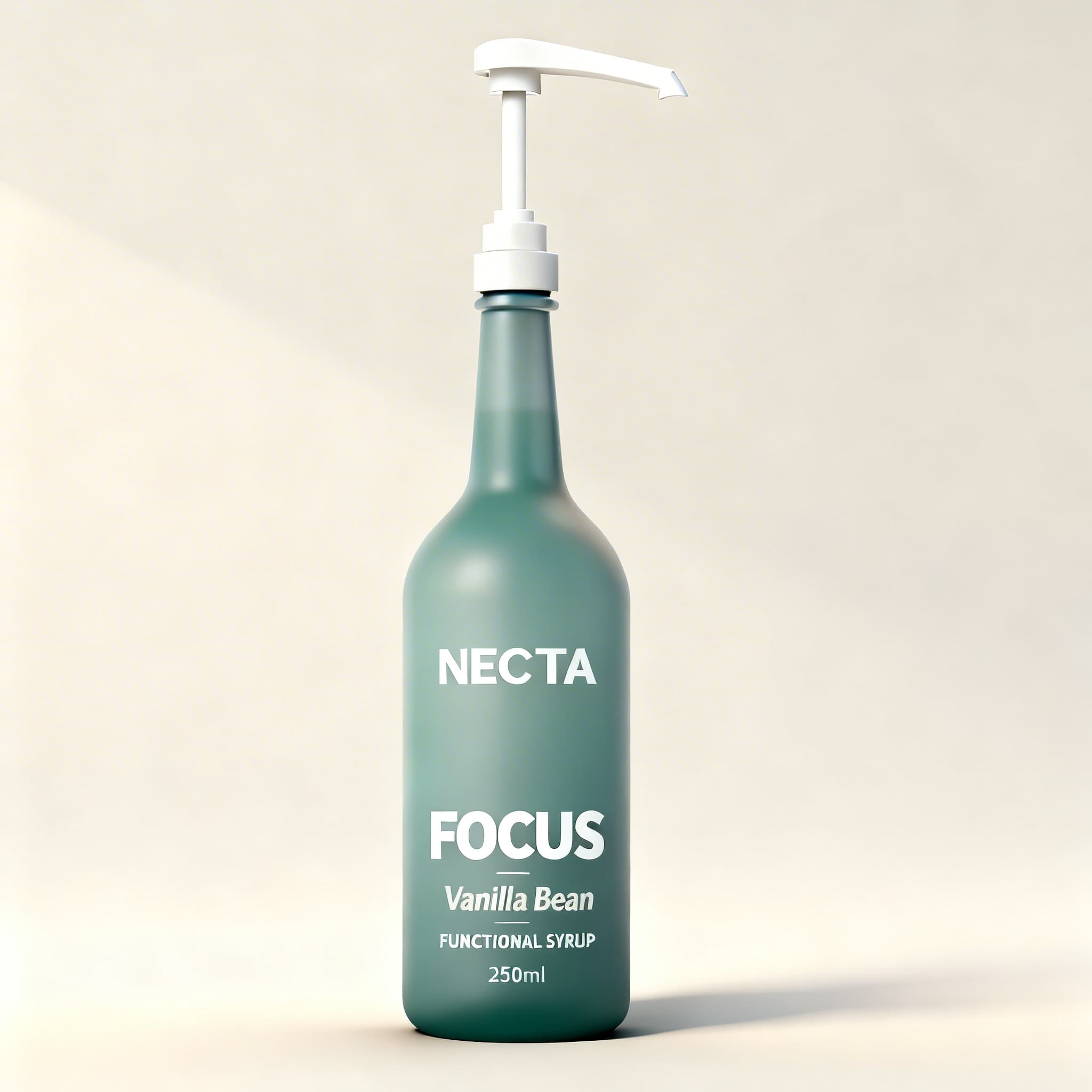
The best format is the one you'll actually use every day. Liquid adaptogens integrated into your morning coffee require zero additional habit formation — the format disappears into your existing routine. Capsules require a separate action: getting them out, swallowing several at once, having water nearby. Both work, but one has dramatically better daily adherence in practice. See our full article on why liquid adaptogens beat powder.
Bottom Line
Take adaptogens at the right time of day (rhodiola morning, reishi evening, flexible for the rest), with food when possible, consistently for 8–12 weeks minimum before evaluating. Don't cycle unless you want to. Stack 2–4 adaptogens to address complementary mechanisms. Use whatever format you'll actually maintain every day — that variable matters more than any of the others.