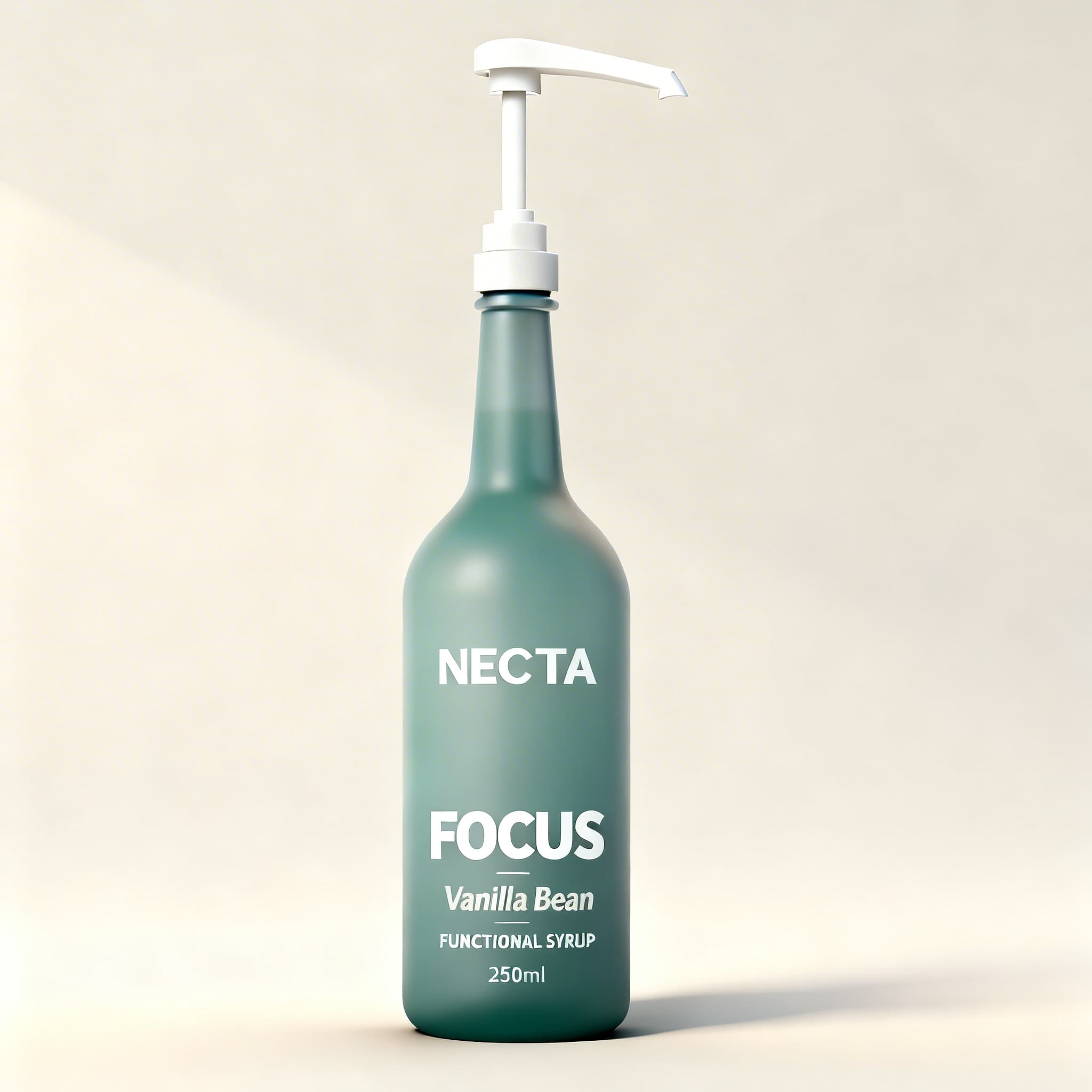
What Is an Adaptogen Syrup?
An adaptogen syrup is a concentrated liquid supplement containing one or more adaptogenic herbs or functional mushrooms suspended in a syrup base — typically a combination of water, a natural sweetener (honey, glycerin, or fruit concentrate), and stabilising agents. Unlike capsules or powders, syrups deliver active adaptogenic compounds pre-dissolved in a bioavailable form, allowing faster absorption and flexible dosing.
Mushroom syrups specifically use functional mushrooms — lion's mane, reishi, chaga, cordyceps, turkey tail — as their primary active ingredients, often combined with traditional adaptogenic herbs like ashwagandha or rhodiola for synergistic effect.
The format is not new — traditional herbal medicine across Asian, Ayurvedic, and European traditions has long used concentrated liquid extracts and decoctions. Modern adaptogen syrups apply the same principle with standardised extracts, verified doses, and third-party testing.
Why Syrup Format for Adaptogens?
Bioavailability Advantage
Active compounds in a syrup are already dissolved in an aqueous medium and begin absorbing immediately in the mouth (sublingual/buccal absorption) and rapidly in the stomach and upper intestine. Compare this to capsules, which must first dissolve in stomach acid — a process taking 20–45 minutes and highly variable based on gastric conditions. For water-soluble adaptogenic compounds like beta-glucans and rosavins, the absorption rate advantage is significant.
Precision Dosing
Pump-dispensed syrups allow metered dosing — 1 pump = a precise, reproducible amount. This is impossible with capsules (fixed dose) and difficult with loose powders (scoop variation). Precision matters for adaptogens because dose-response relationships are real: 300mg of KSM-66 ashwagandha produces different effects to 600mg. Being able to titrate your dose based on your current stress load or cognitive demands is a genuine practical advantage.
Integration Into Existing Habits
A few pumps of adaptogen syrup added to your morning coffee, matcha, smoothie, or warm water requires zero behaviour change to an existing routine. Swallowing 4–6 capsules at specific times creates adherence friction that leads most supplement users to quit within 3 months. Daily consistency is the most important variable in adaptogen efficacy — a format that disappears into your existing routine dramatically improves it.
Mushroom Syrups: What Makes Them Different
Mushroom syrups use functional mushroom extracts as their primary active compounds. The key mushrooms used and what they do:
- Lion's Mane — stimulates nerve growth factor (NGF), supports cognitive function and neuroplasticity. Clinical dose: 500mg–1g fruiting body extract. See our lion's mane review.
- Reishi — immune modulation, sleep quality, stress resilience via triterpenes. Clinical dose: 1–5g standardised extract. See our reishi guide.
- Chaga — antioxidant via betulinic acid and melanin pigments, immune support, anti-inflammatory. See our chaga guide.
- Cordyceps — energy, VO2 max, oxygen utilisation, adrenal support. See our cordyceps guide.
- Turkey Tail — PSK and PSP polysaccharides, some of the strongest evidence for immune modulation of any functional mushroom. See our turkey tail guide.
For a mushroom syrup to be effective, it must use dual-extracted fruiting body extract — hot water extraction for beta-glucans (the immune/cognitive active fraction) and alcohol extraction for triterpenes. Products made from mycelium grown on grain are mostly filler starch, not active mushroom. Always check: "fruiting body," "dual extraction," and stated beta-glucan content.
How to Use an Adaptogen Syrup
The versatility of syrup format is one of its main advantages. Common uses:
- Stir into coffee or matcha — the most popular use. A focus-supporting mushroom syrup (lion's mane + rhodiola + L-theanine) transforms a standard morning coffee into a functional, adaptogenic drink without any additional preparation step.
- Add to smoothies — immune or recovery syrups pair well with fruit smoothies or protein shakes. The natural sweetness of a syrup base blends seamlessly.
- Mix into warm milk or alternative milk — a reishi or ashwagandha syrup stirred into warm oat milk creates an effective evening wind-down drink.
- Take neat from the pump — for convenience, most syrups can be taken directly. Mild natural flavour is typically pleasant enough for straight consumption.
- Add to sparkling water — a few pumps in sparkling water creates a functional wellness drink without any additional caffeine.
What to Look for in an Adaptogen Syrup in the UK
- Named extracts with standardisation specs — "KSM-66 ashwagandha 600mg" not "ashwagandha extract 600mg" (very different products)
- Disclosed doses per serving — not a proprietary blend hiding individual amounts
- Fruiting body mushroom extracts — not mycelium on grain
- Third-party certificate of analysis — potency, heavy metals, mycotoxins
- Organic certification where possible — particularly important for mushrooms and roots that concentrate soil contaminants
- Clean sweetener base — honey, glycerin, or fruit concentrate; avoid high-fructose corn syrup or artificial sweeteners
- No proprietary blends — every ingredient's dose should be disclosed
Adaptogen Syrup vs Mushroom Coffee: Which Is Better?
Both are valid formats, but they serve different purposes. Mushroom coffee is a complete beverage replacement — you're drinking it instead of regular coffee. An adaptogen syrup is an additive — you're enhancing your existing habits. Syrups typically allow higher doses of individual adaptogens, more flexible delivery, and more precise control over which ingredients you get. Mushroom coffee provides convenience for those who want a single product. The best approach for most people is to add a quality adaptogen syrup to their existing coffee rather than replace the coffee with a pre-made mushroom blend. See our mushroom coffee guide and adaptogenic drinks guide for comparison.
Bottom Line
Adaptogen syrups — including mushroom syrups — combine the bioavailability advantages of liquid delivery with the dosing precision of a metered format and the habit integration benefits of an additive rather than a standalone product. For anyone who finds capsule regimens hard to maintain, or who wants to meaningfully upgrade their existing coffee or smoothie routine, a well-formulated adaptogen syrup is one of the most practical and effective supplement choices available in the UK.