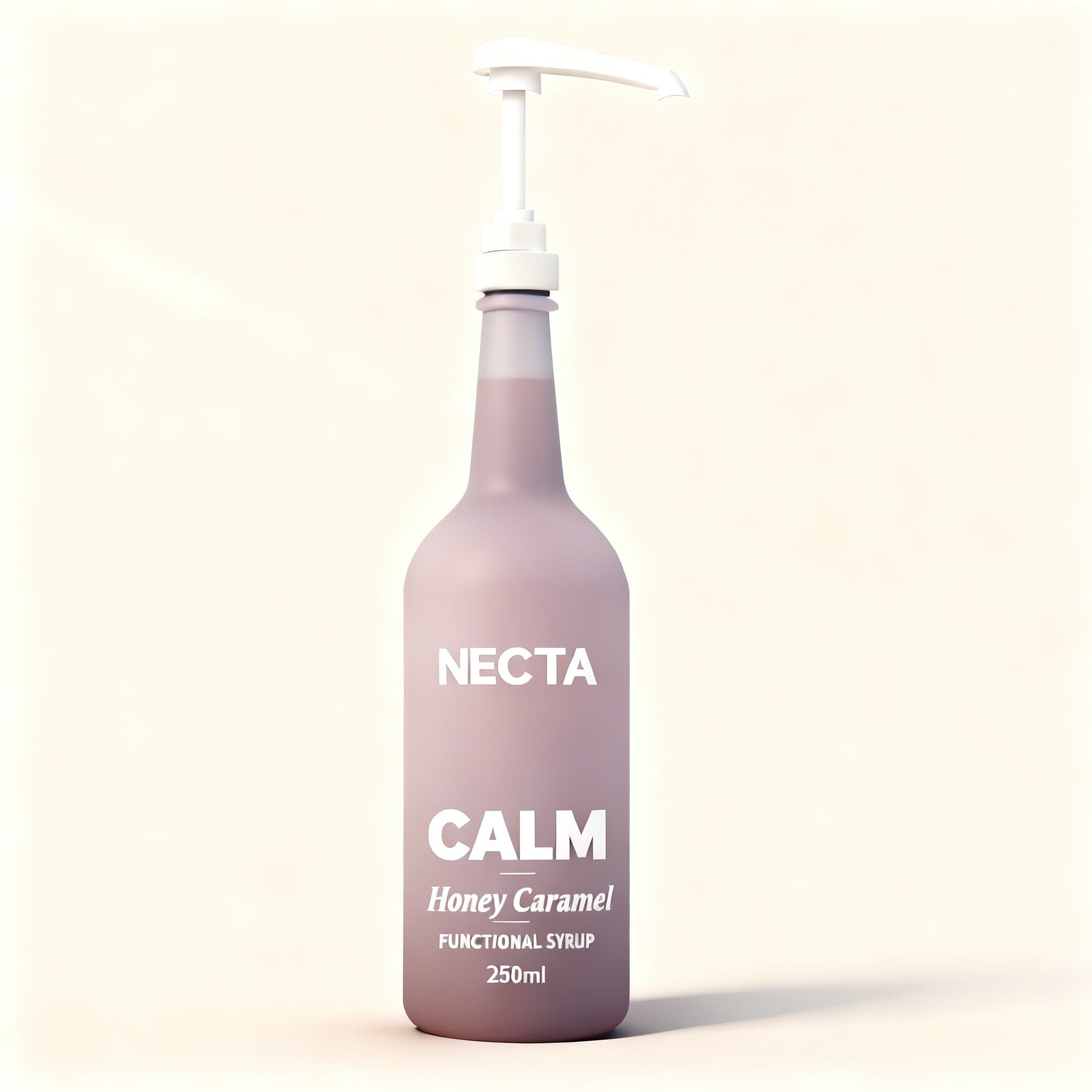
Why Adaptogens for Sleep Work Differently to Sleep Aids
Conventional sleep aids — antihistamines, benzodiazepines, even melatonin — work by sedation or direct hormonal intervention. You take them, you feel sleepy, you sleep. Stop taking them, you may struggle again, because the underlying sleep disruption hasn't been addressed.
Adaptogens that improve sleep work differently. They address the causes of sleep disruption — elevated evening cortisol (you're lying in bed alert and wired despite being exhausted), HPA axis dysregulation (your stress response system won't down-regulate at night), chronic low-grade anxiety (racing thoughts won't stop). Fix the cause, fix the sleep. This takes longer — 4–8 weeks typically — but the improvements tend to be more durable.
The Best Adaptogens for Sleep Quality
1. Ashwagandha (KSM-66) — The Most Evidence-Backed
Multiple randomised controlled trials have examined ashwagandha's effects on sleep specifically. A 2019 study by Langade et al. found 300mg KSM-66 twice daily for 10 weeks produced significant improvements in sleep onset latency (time to fall asleep), total sleep time, sleep efficiency, and sleep quality scores versus placebo. The mechanism: ashwagandha reduces evening cortisol and modulates GABA receptors — addressing the two main physiological drivers of stress-related sleep disruption.
A separate 2020 trial by Deshpande et al. found 120mg of a high-concentration ashwagandha extract significantly improved sleep quality in both healthy adults and insomnia patients. Critically, it improved sleep quality without causing next-day drowsiness — it's not a sedative.
Dose for sleep: 300–600mg KSM-66 in the evening, 30–60 minutes before bed. Effects build over 4–8 weeks.
See our full ashwagandha guide.
2. Reishi — Calm Without Sedation
Reishi mushroom contains triterpenes that modulate the central nervous system's GABAergic activity — essentially encouraging the nervous system into its parasympathetic (rest-and-digest) state. A 2012 study found reishi polysaccharide extract significantly increased total sleep time and non-REM sleep (the deepest, most restorative phase). Reishi doesn't make you drowsy; it makes it easier to transition into restful sleep when your body is ready.
Reishi is also an adaptogen in the full sense — with long-term use it helps regulate the cortisol response that causes that wired-but-tired state most sleep-disrupted people know well. See our reishi guide.
Dose: 1–2g dual-extracted reishi in the evening. Add to warm oat milk or chamomile tea.
3. L-theanine — For Anxious Minds at Night
L-theanine doesn't make you sleepy. What it does is increase alpha brainwave activity — the state associated with relaxed, non-anxious wakefulness. For people whose sleep is disrupted by an inability to quiet their thoughts at night, L-theanine addresses the anxious mind that keeps them awake rather than inducing sedation. Combined with ashwagandha and reishi in an evening formula, it covers both the cortisol regulation (ashwagandha) and the mental quietening (L-theanine) aspects of sleep preparation.
Dose: 100–200mg in the evening, ideally 60 minutes before bed.
See our L-theanine guide.
4. Lion's Mane — Indirect Sleep Improvement via Anxiety Reduction
Lion's mane's effects on sleep are indirect but real. The 2010 Nagano et al. trial found significant reductions in anxiety and depression scores — and poor sleep is often an expression of chronic anxiety. As lion's mane accumulates over weeks, the reduction in background anxiety tends to improve sleep quality as a downstream effect. It's not a primary sleep supplement but works well as part of a broader adaptogen stack. See our lion's mane guide.
Adaptogens vs Conventional Sleep Supplements
How do adaptogens compare to common sleep supplement options?
- vs Melatonin: Melatonin works best for circadian rhythm disruption (jet lag, shift work). For stress-driven poor sleep, adaptogens address the actual cause. They're not competing — they address different mechanisms.
- vs Magnesium glycinate: Magnesium is complementary to adaptogens for sleep — it directly supports muscle relaxation and GABAergic activity. Use together.
- vs Valerian root: Valerian has some evidence for reduced sleep onset latency but less than ashwagandha at clinical doses. See our valerian guide.
- vs CBD: Evidence is more limited than marketing suggests. Ashwagandha at clinical dose has more robust human trial evidence for sleep specifically.
See our full sleep supplements UK guide and how to improve sleep naturally.
The Evening Adaptogen Protocol for Sleep
Evidence-based evening routine for sleep-disrupted people:
- 60–90 minutes before bed: ashwagandha 300–600mg + reishi 1g+ + L-theanine 100–200mg in a warm drink
- Simultaneously: magnesium glycinate 300mg
- Ongoing daily: lion's mane 500mg (any time) for long-term anxiety reduction
Give it 8 weeks. Evaluate sleep quality, sleep onset, morning energy. Most people see meaningful improvements within 4 weeks, with the full effect at 8–12 weeks.
Bottom Line
The best adaptogens for sleep — ashwagandha, reishi, and L-theanine — work by addressing what's actually causing the sleep disruption: elevated evening cortisol, a nervous system that won't down-regulate, and an anxious mind. They're not sedatives. They're regulators. The result is improved sleep quality that doesn't produce next-day grogginess — and tends to become more durable over time rather than less, unlike sedative sleep aids.