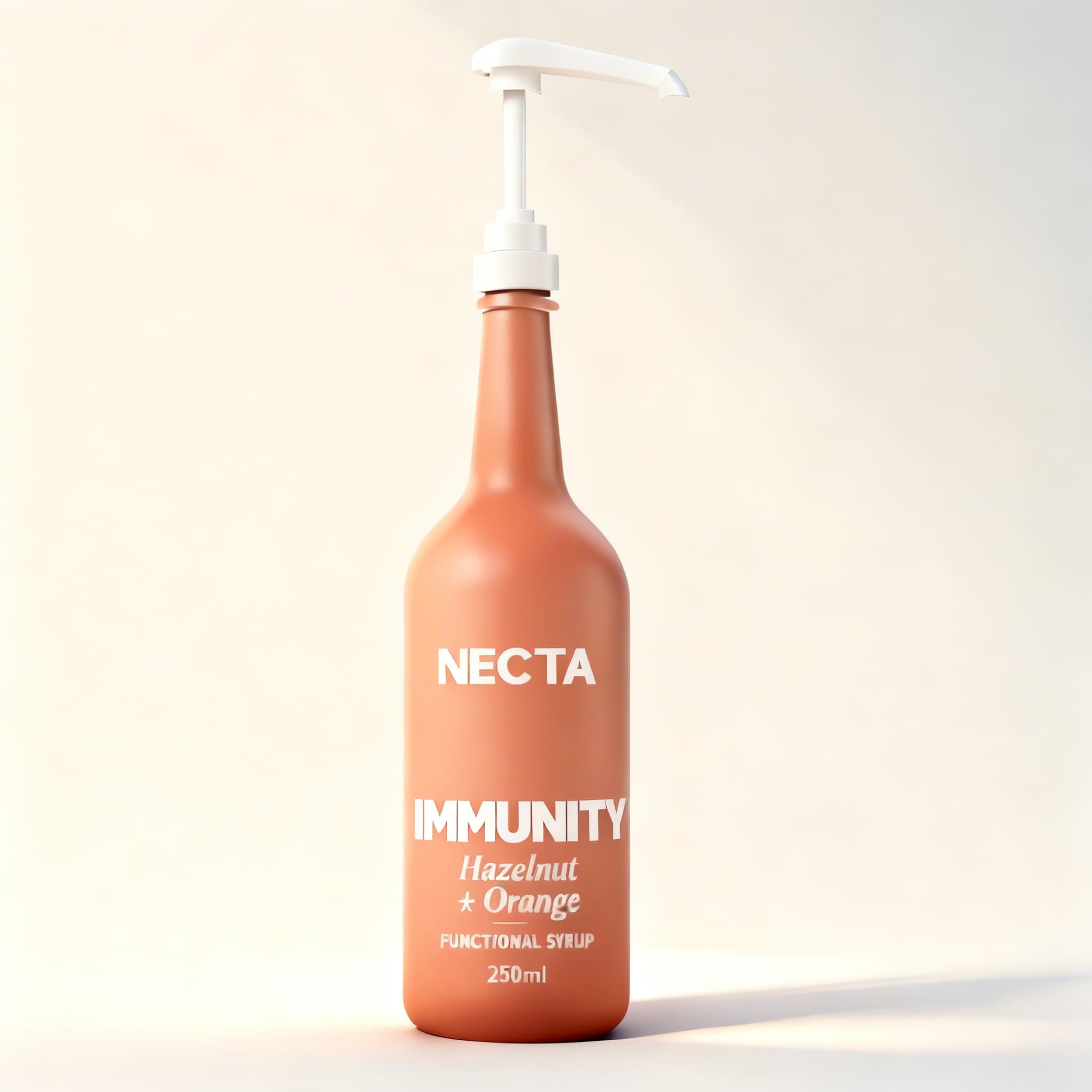
What Are Functional Infusions?
A functional infusion is a liquid preparation of bioactive botanical or fungal ingredients — adaptogenic herbs, functional mushrooms, or synergistic plant compounds — prepared by extraction into a liquid base. Unlike a standard herbal infusion (tea), a functional infusion uses concentrated extracts standardised to specific levels of active compounds: withanolides from ashwagandha, rosavins from rhodiola, hericenones from lion's mane, polysaccharides from reishi. The result is a precisely dosed, bioavailable liquid supplement rather than a variable-strength steep.
The term "infusion" distinguishes the format from simple powders (which require the body to do extraction work) and capsules (which deliver dry extract). A true functional infusion presents active compounds pre-extracted and bioavailable — closer to a traditional herbal decoction than a modern tablet.
What Does Organic Mean for Functional Infusions?
Organic certification for functional supplements goes significantly beyond a marketing badge. For the specific ingredients used in functional infusions, organic sourcing has direct relevance to product purity and efficacy.
Pesticide Concentration in Roots
Adaptogenic roots — ashwagandha, rhodiola, ginseng, maca — are underground organs that absorb and concentrate compounds from the soil. This includes both beneficial minerals and, in conventionally farmed plants, synthetic pesticides. Organophosphates and other agricultural chemicals used in conventional root farming accumulate in the root tissue. Organic-certified roots are grown without these synthetic inputs, eliminating this contamination vector. For daily-use supplements containing concentrated root extracts, the organic distinction is directly relevant to long-term safety.
Heavy Metal Accumulation in Mushrooms
Mushrooms are bioaccumulators — they absorb compounds from their growth substrate at rates far exceeding most other organisms. This biological mechanism that makes them so effective at producing concentrated bioactive compounds (beta-glucans, triterpenes) also means they concentrate heavy metals from a contaminated substrate. Lion's mane, reishi, chaga, turkey tail, and cordyceps grown on organic substrates with third-party verified heavy metal testing are meaningfully safer than products from unknown substrate sources. Look for: organic certification AND certificates of analysis specifically testing cadmium, lead, arsenic, and mercury.
Solvent Purity in Extraction
Organic certification also covers the extraction solvents used to prepare concentrated extracts. Non-organic production may use residual synthetic solvents in the extraction process. Certified organic extraction must use approved solvents only — typically water, ethanol, and CO₂ — which leave no concerning residues in the final product.
Key Ingredients in Quality Organic Functional Infusions
Ashwagandha (KSM-66 or Sensoril)
Both KSM-66 and Sensoril are produced from organically grown ashwagandha root. They are among the most studied adaptogenic ingredients with multiple RCTs confirming cortisol reduction, stress resilience improvement, and sleep quality enhancement. Clinical dose in infusion format: 300–600mg per serving. See our ashwagandha guide.
Organic Lion's Mane
The cognitive mushroom. Organic, dual-extracted fruiting body lion's mane delivers hericenones (alcohol-soluble, stimulate NGF) and beta-glucans (water-soluble, immune modulation). Quality organic lion's mane should specify: fruiting body (not mycelium on grain), dual-extracted, with stated beta-glucan content (minimum 25%). See our lion's mane guide.
Organic Reishi
The "mushroom of immortality" in traditional Chinese medicine. Organic reishi contains triterpenes (stress and immune modulation, sleep quality) and beta-glucans (immune support). Dual-extraction essential — water extraction misses triterpenes. Clinical dose: 1–5g standardised extract. See our reishi guide.
Organic Rhodiola Rosea
The Siberian adaptogen. Organic rhodiola should be standardised to 3% rosavins and 1% salidroside. These ratios reflect the natural compound balance in wild rhodiola and are what clinical research uses. Products standardised to higher rosavin concentrations have been criticised for using synthetic rosavins to inflate numbers. Clinical dose: 200–400mg standardised extract. See our rhodiola guide.
Organic Turmeric
Organic turmeric with black pepper extract (piperine) for curcumin bioavailability. Conventional turmeric frequently contains heavy metals from soil; organic sourcing with third-party testing is important. Curcumin requires piperine or a specialised delivery system (liposomal, phospholipid complex) for meaningful bioavailability. See our turmeric guide.
How to Verify Organic Claims in Functional Infusions
Organic certification on supplement labels should be verifiable. What to look for:
- Certifying body — UK organic certifiers include Soil Association Certification, OF&G (Organic Farmers & Growers), and BRCGS. EU Organic (green leaf logo) is also valid post-Brexit.
- Certificate number or reference — a quality product can provide their organic certification number for independent verification
- Country of origin for each ingredient — particularly relevant for mushrooms (many cheap products use Chinese-grown mycelium on grain; quality organic products typically source from specialist UK, European, or vetted Asian organic farms)
- Third-party testing CoA — organic certification reduces contamination risk but doesn't eliminate it; a CoA from an independent lab is the definitive verification
Organic Functional Infusions vs Conventional Alternatives
The practical differences between organic and conventional functional infusions:
- Contamination risk — organic, tested products have significantly lower risk of pesticide and heavy metal contamination. For daily use at therapeutic doses, this compounds over time.
- Active compound quality — organically grown botanicals may produce higher concentrations of secondary metabolites (including adaptogenic compounds) as a stress response to growing without synthetic chemical protection. Research on this is ongoing but directionally supports organic cultivation.
- Environmental footprint — organic farming supports soil health and biodiversity; for a health product consumed daily, alignment with broader health values matters to many consumers.
- Cost — organic ingredients cost more. A genuinely organic functional infusion at clinical doses will cost more than a conventional supplement. This is a quality signal, not a flaw — extremely cheap "organic" supplement products should be approached with scepticism.
Bottom Line
Organic functional infusions represent the premium tier of the adaptogen supplement category — combining the bioavailability advantages of liquid extraction with the purity assurance of certified organic sourcing. For daily-use concentrated supplements containing root and mushroom extracts, organic certification combined with third-party heavy metal testing is the most credible quality assurance available. See our related guides on liquid adaptogens UK, adaptogen syrups, and what adaptogens are.